Why did a gearbox gear we had manufactured fail?
- Share
- Issue Time
- Aug 3,2026
Why gearbox gears fail
A gearbox gear can fail even when the visible part looks like a simple material problem. Overload, shock, tooth contact, heat treatment, lubrication, alignment and the condition of the mating parts can change the stress seen in service. Start with the failure location and the operating evidence, then review the gear as part of its complete transmission system.
Match the symptom to the first checks
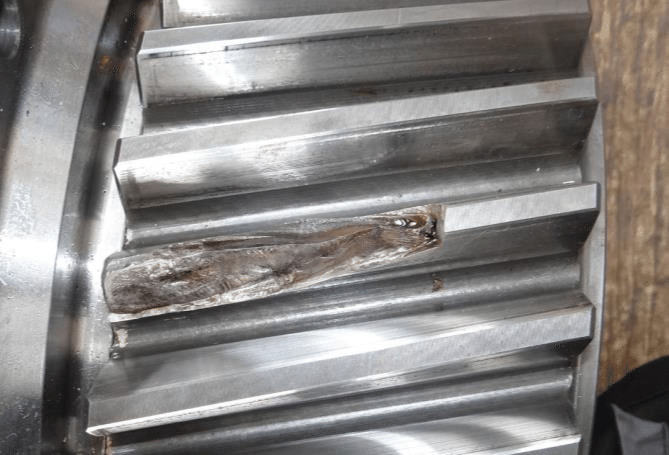
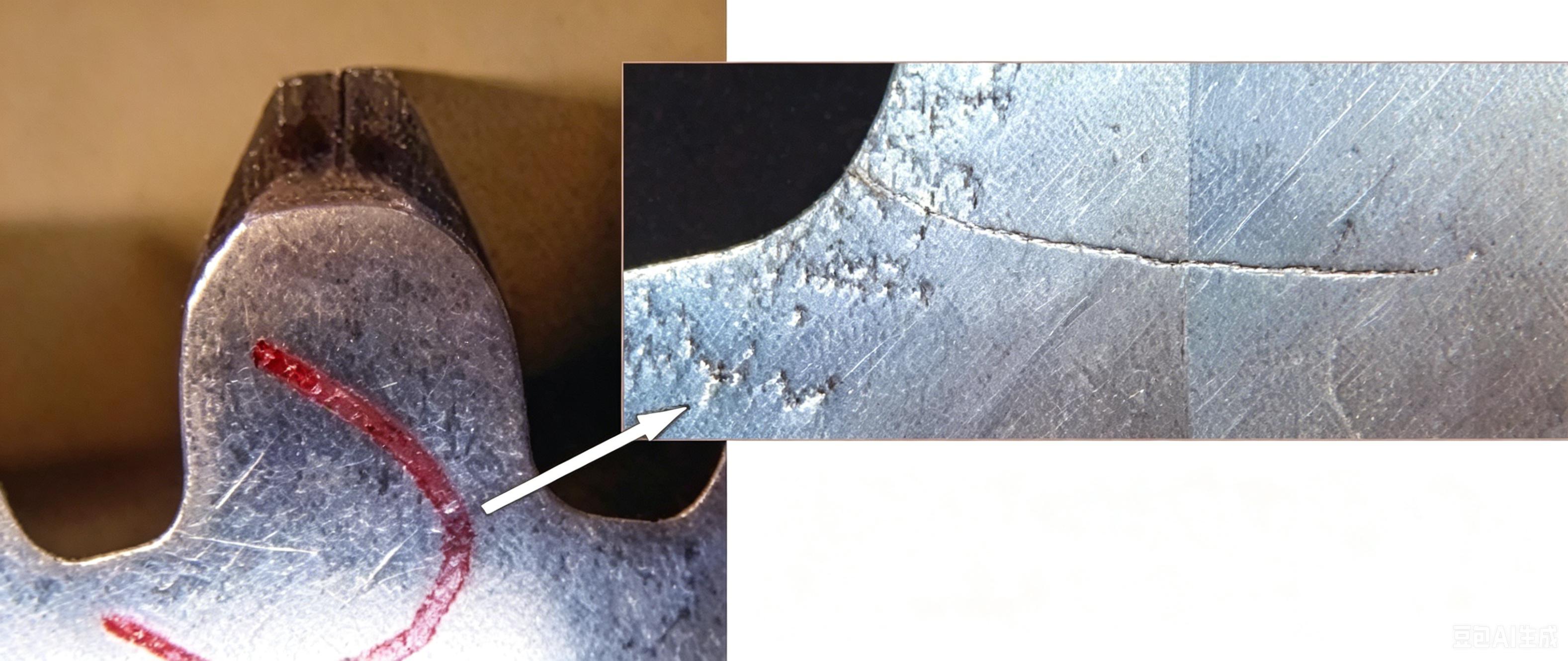
- Root crack or broken tooth: compare real torque and shock events with tooth-root geometry, core properties and contact location.
- Pitting, scuffing or rapid wear: review tooth contact, surface condition, lubricant condition and contamination.
- Noise, heat or fast backlash growth: inspect runout, mounting datums, bearings, housing alignment and the mating gear.
PairGears notes that a worn or broken sample alone may not preserve the original tooth profile, backlash or contact pattern. Include the mate and service history in the review.
Evidence that makes a replacement review useful
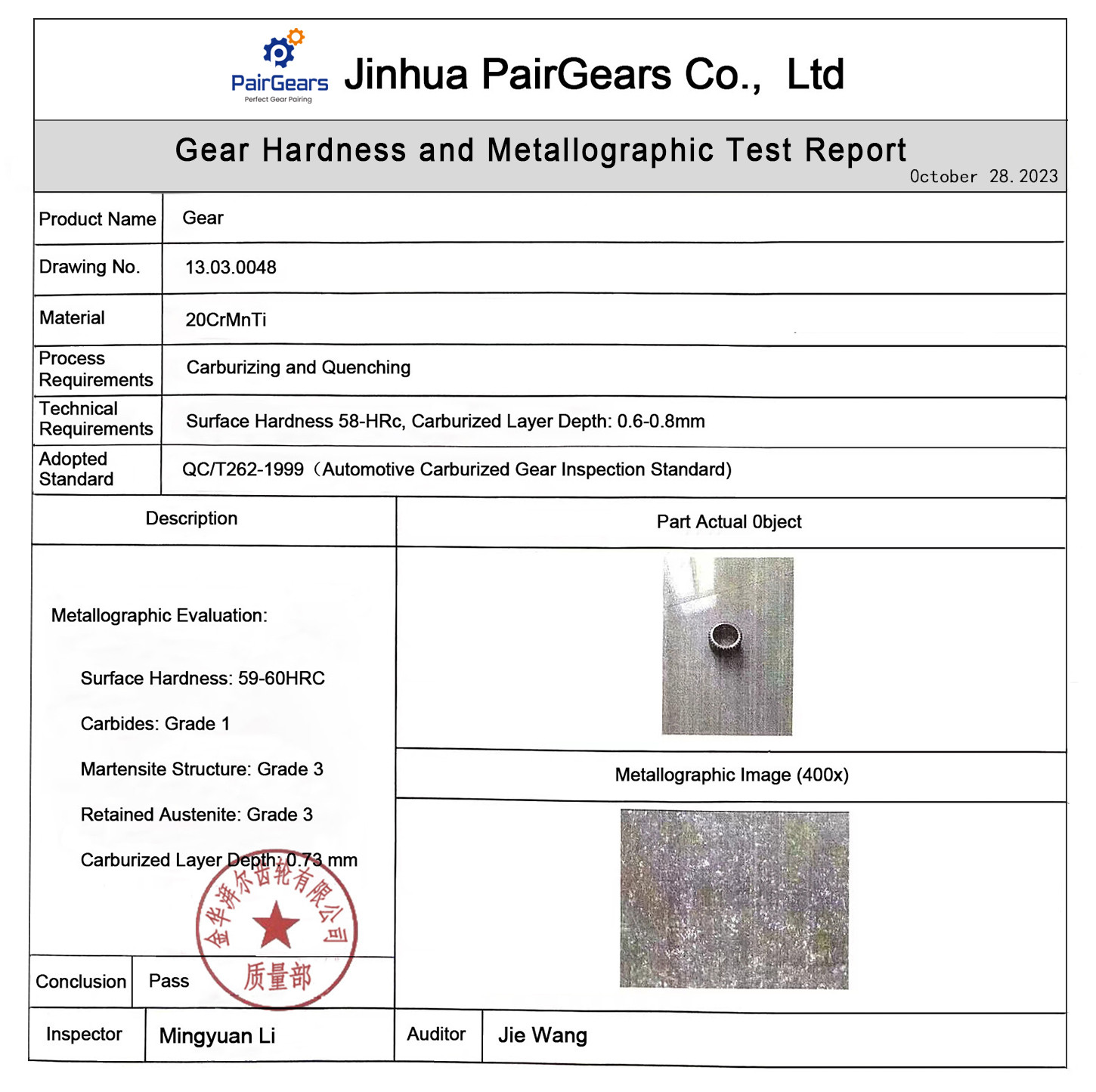
Record the failure location, photos of both gears, material and heat-treatment records, hardness or case-depth results when applicable, tooth data, runout, lubrication history and any overload event. ISO 9085 distinguishes pitting-resistance and bending-strength capacity for industrial spur and helical gears; it does not treat every failure mode as the same problem.
Read PairGears guidance on broken gear teeth before sending a replacement enquiry.