How do I choose a precision gear grade (ISO/AGMA) for accurate motion control?
- Share
- Issue Time
- Jul 24,2026
Choose the grade from system performance, not a grade table alone
Start with allowable transmission error, positioning error, backlash, speed, noise and life. Then name the exact ISO or AGMA document and edition and specify the deviations that must be measured.
PairGears' guide to gear accuracy grades, cost, noise and life gives the application context behind the grade number.
Translate function into measurable limits
- Motion accuracy: pitch and cumulative behavior
- Contact stability: profile, lead and alignment
- One-revolution variation: runout to functional datums
- Assembly behavior: backlash, center distance and bearing support
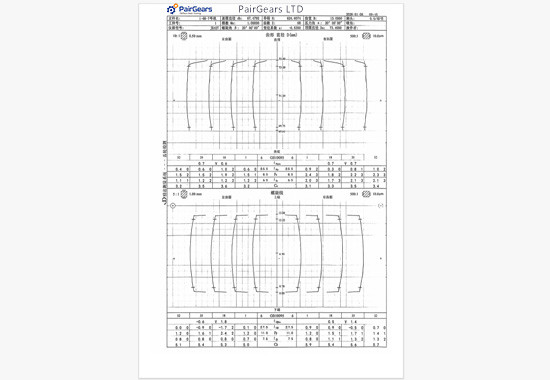
- Acceptance evidence: agreed charts and report format
Do not over-specify
Use the coarsest grade that meets verified system performance. Unnecessary precision adds finishing and inspection cost.
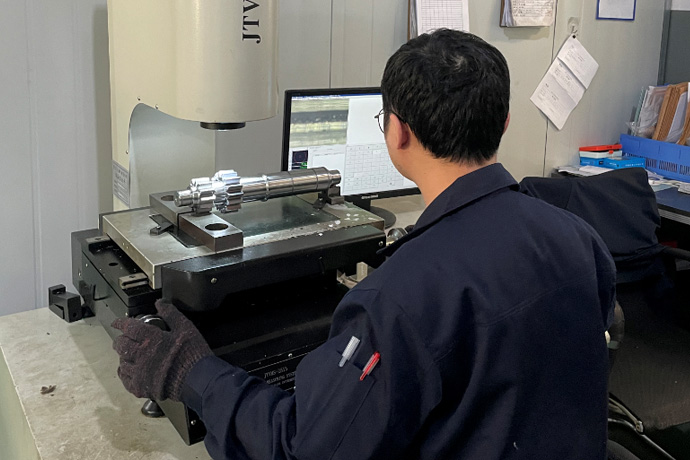
Inspect the right errors
Read what to measure in gear accuracy inspection and connect each deviation to the application's risk.
Validate the assembly
Individual gears can pass while shaft, bearing, housing or mounting errors dominate the finished transmission.