Can gears be used in high-temperature environments?
- Share
- Issue Time
- Aug 28,2026
High-temperature gears: judge the complete operating system
Gears can be used in high-temperature environments when the complete system is designed for the real ambient and operating temperatures. Review gear and mating materials, heat treatment, lubricant viscosity and oxidation resistance, thermal growth, seals, bearings, cooling, load and duty cycle. A metal gear is not automatically high-temperature capable. PairGears should assess the project conditions before an application-specific limit is claimed.
Separate ambient temperature from mesh temperature
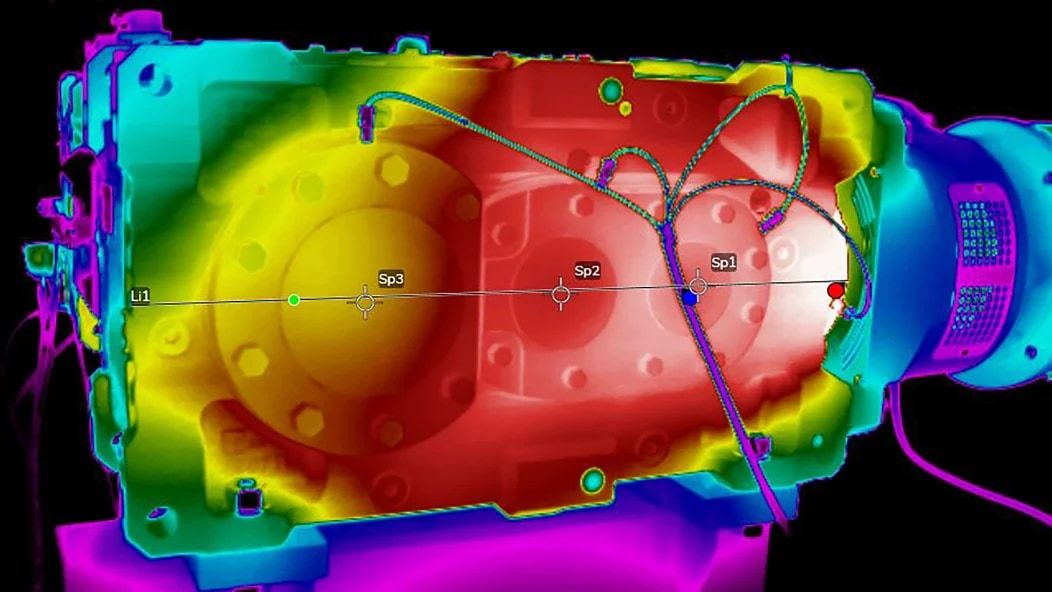
Start with the temperature profile: record ambient temperature, expected tooth-contact temperature, speed, torque, starts and stops, heat rejection path, enclosure and contamination. A gear mesh can run materially hotter than the surrounding air, especially where sliding contact or churning losses are significant. Thermal growth can also change center distance, backlash, bearing preload and contact position.
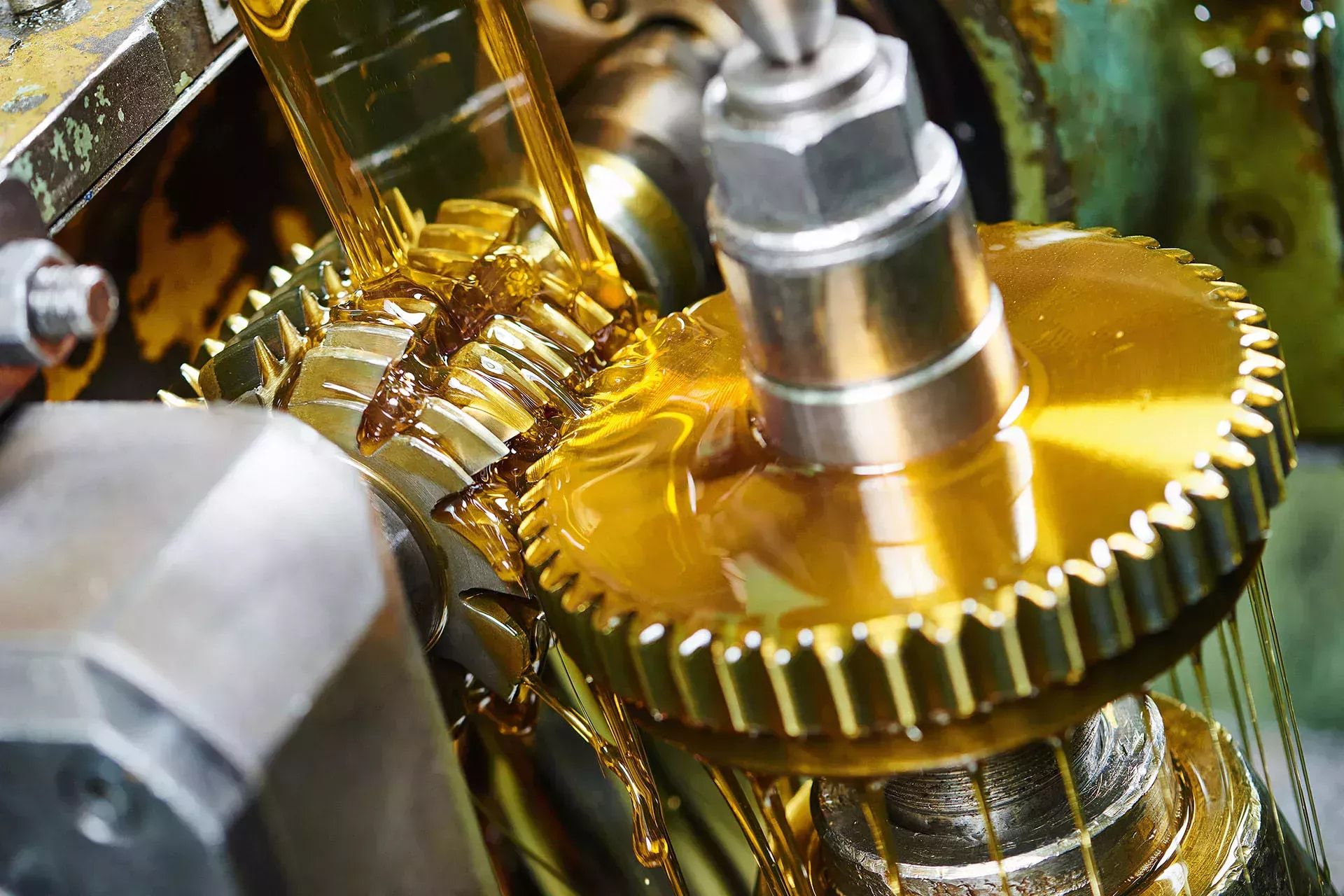
Lubricant selection is central, not an afterthought. Its viscosity at operating temperature, oxidation stability, delivery method and seal compatibility must match the duty. The PairGears lubrication guide notes that temperature and gear speed are inputs to lubricant selection. Material and heat-treatment choices should then be checked against the required strength, wear and dimensional stability.
Example or decision check
For a geared actuator beside a heat source, provide the expected ambient range, measured or modeled oil temperature, speed, torque, duty cycle, cooling route and allowable maintenance interval. Validate the assembled unit for oil condition, leakage, backlash change, contact pattern and temperature rise. A room-temperature no-load rotation check is not a high-temperature qualification.