Are there any gears that can be used without lubrication?
- Share
- Issue Time
- Aug 7,2026
Most metal power gears need lubrication; dry running is a material-and-duty-cycle exception
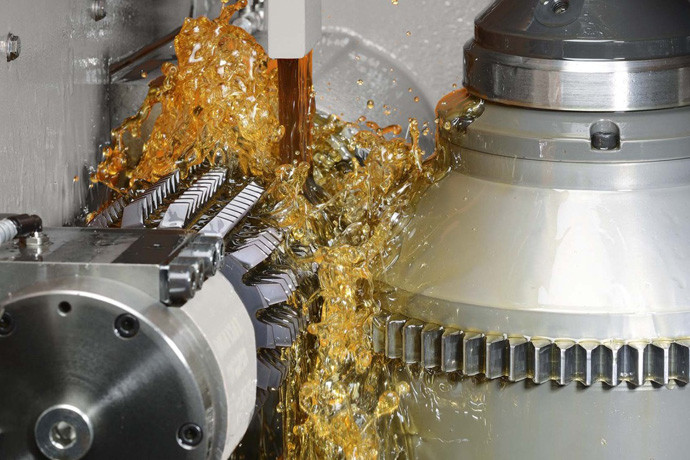
Most conventional metal gear pairs need a suitable oil or grease film to limit friction, wear, heat and corrosion. A gear can run without added lubricant only when its material system, load, speed, temperature, environment and expected life make dry running acceptable. That is an application decision, not a property that can be assumed from tooth shape alone.
For a custom project, PairGears should confirm the gear material, mating surface and operating conditions before any dry-running claim is made.
When dry running may be considered
- Self-lubricating polymers: some engineered polymers use embedded solid lubricants and can suit controlled low-load or contamination-sensitive duties.
- Short or intermittent motion: low-energy duty cycles may tolerate a different lubrication approach than continuous power transmission.
- Clean-environment constraints: food, dust-sensitive or maintenance-limited systems may justify a material review rather than an ordinary oil system.
These cases still need wear, temperature and mating-surface validation. The PairGears lubrication guide explains why method and lubricant selection depend on the gear and operating conditions.
Check the limits before choosing “no lubricant”
Record torque, speed, duty cycle, temperature, environment, gear material, mating material, surface condition, enclosure, permitted wear and service-life target. High load, high sliding velocity or poor heat removal generally makes lubricant selection more important, not less.
For enclosed industrial gear systems, ISO 12925-1:2024 covers lubricant specifications; it does not replace an application-specific design review.