Can a duplex worm gear pair run at zero backlash?
- Share
- Issue Time
- Aug 28,2026
Duplex worm gears: target controlled low backlash, not a generic zero setting
A duplex worm gear pair can be adjusted toward near-zero backlash by moving the matched duplex worm axially, but a true zero setting is usually not the default for a power-transmitting worm drive. The final clearance must protect the lubricant film and stable tooth contact under load and temperature. PairGears should review the matched pair and assembly condition before a final setting is fixed.
Why axial adjustment does not remove the engineering checks
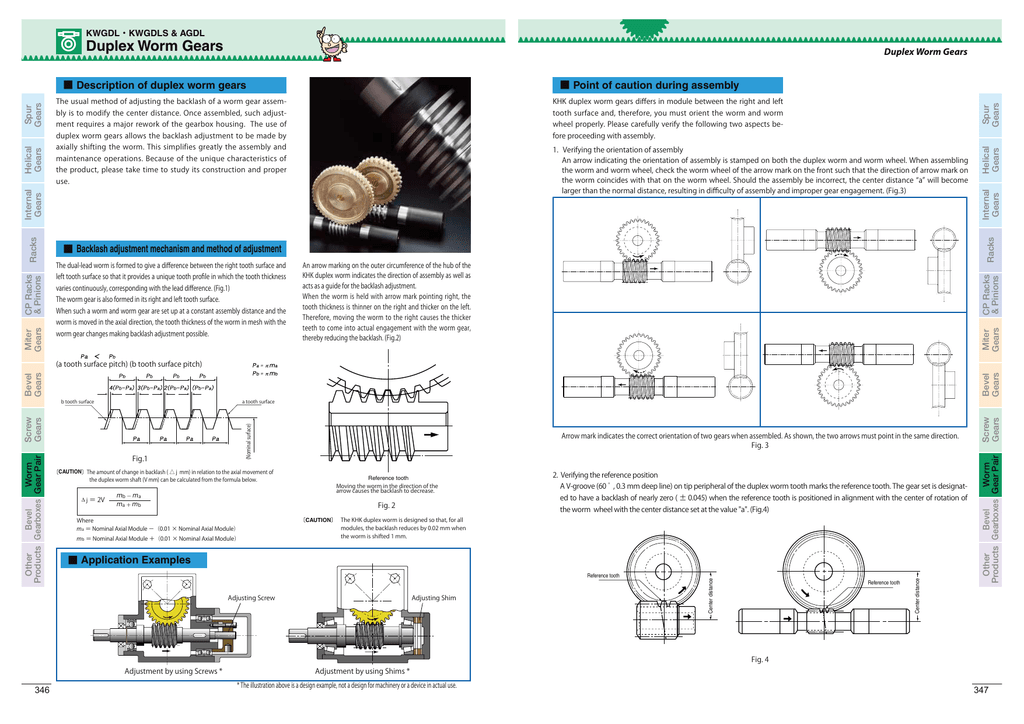
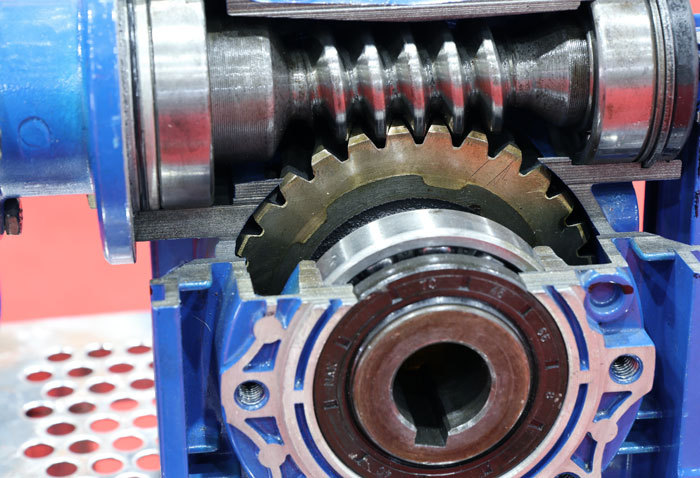
A duplex worm and its wheel are a matched system. The worm has differing lead geometry across its flanks, so an axial movement changes the effective tooth thickness in mesh. That makes controlled backlash adjustment practical without changing the housing center distance. It does not make an unrelated worm and wheel interchangeable, and it does not prove the pair can transmit duty safely at zero clearance.
For a reversing or positioning application, define the allowable lost motion, torque, speed, duty cycle, lubricant, temperature, bearing setting and contact target. The PairGears worm-gear guide explains why sliding heat, material pairing and lubrication belong in the same review. If a preload or near-zero target is used, confirm the contact pattern and temperature in the actual assembly.
Example or decision check
A rotary table may need very small reversal error. Begin from the supplier鈥檚 matched-pair reference position, adjust in controlled increments, and record backlash, contact pattern, torque and temperature at the intended load. If the mesh becomes tight or oil film stability declines, the target clearance is too aggressive even when an indicator reads near zero.