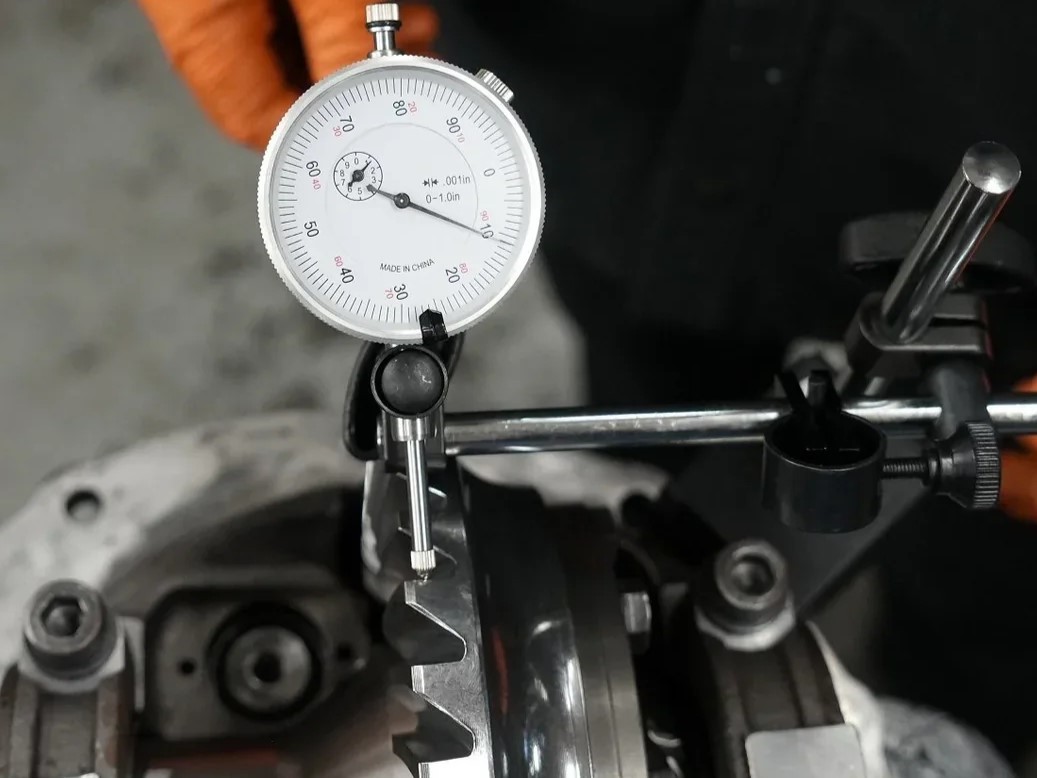
How does actual center distance affect gear backlash?
- Share
- Issue Time
- Aug 15,2026
Gear backlash at actual center distance: use the mating pair, not a nominal shortcut
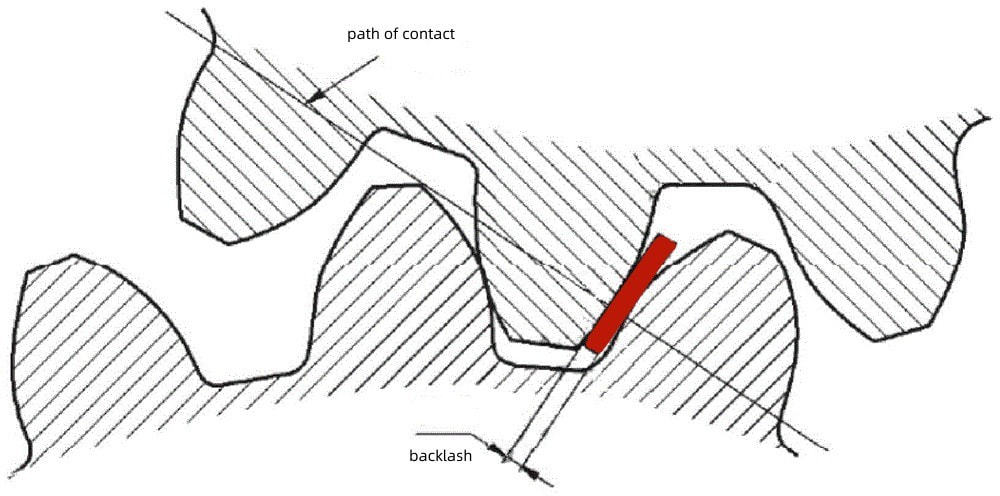
Actual center distance directly affects backlash and the operating tooth contact of an involute gear pair. Increasing or reducing the spacing can change the working pressure angle and clearance, so the calculation must use the two mating gears, their profile shifts and the intended working center distance. Then confirm the result against housing tolerances, bearing position, runout and temperature—not a catalog value alone.
Check the assembly conditions that move the mesh
- Start with nominal geometry: record tooth counts, module or DP, pressure angle, helix data and profile shifts for both members.
- Use the intended working center distance: do not use a nominal pitch-diameter sum when the assembly is intentionally offset.
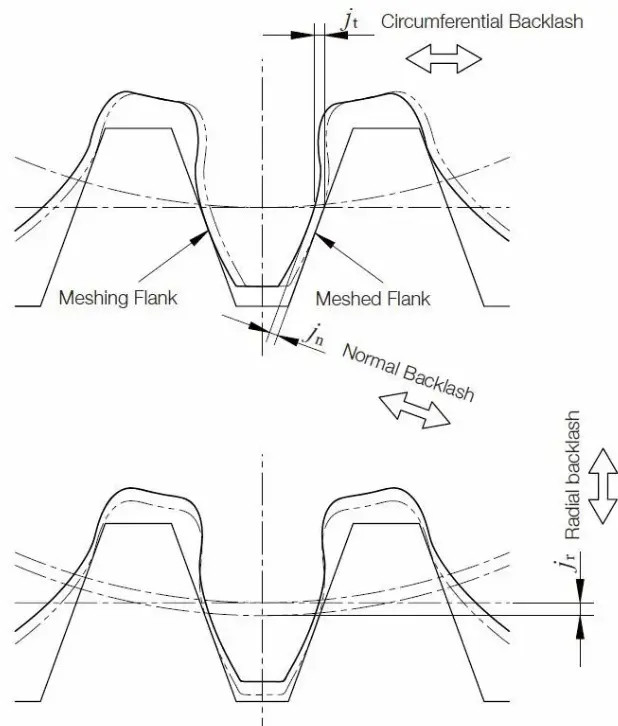
- State the backlash definition: specify whether the value is normal, transverse or circumferential and where it is measured.
- Include real variation: housing position, bearing clearance/preload, runout, thermal growth and load deflection can all change the assembled result.
The PairGears backlash guide gives practical context for why center-distance variation and tooth thickness must be reviewed together.
Example: turn the question into a checkable review
If a housing is produced with an intentional center-distance offset, provide the exact as-built target and tolerance, both gear drawings, the profile shifts and the requested backlash convention. PairGears can then review the mesh definition; a simple “move the gears farther apart” instruction is not enough to predict contact quality or final clearance.