When is carburizing necessary for precision gears, and when is nitriding better?
- Share
- Issue Time
- Aug 6,2026
Carburizing is often considered when a gear needs a deeper hard case and a tough core for demanding contact and bending duty. Nitriding can be a better fit when a shallower diffusion layer and tighter dimensional stability are more important. Neither route is automatically best: material, geometry, load, lubrication, distortion allowance, and the acceptance plan must be reviewed together. Plan it where the specification calls for effective case depth and a later route can manage heat-treatment distortion. The drawing should define the material, hardness, effective case-depth method, sampling location, and any stock reserved for finishing. Consider it where lower-temperature diffusion and dimensional stability are central to the project. Suitability still depends on the selected steel, required layer, tooth geometry, and service conditions. Compare total route cost and risk: blank condition, tooth generation, heat treatment, finishing, and inspection. A hardness number alone does not prove the gear will meet contact, wear, or noise requirements. For a carburized helical gear that will be ground after hardening, agree the effective case-depth window, hardness test method, datum strategy, finishing allowance, and final profile/lead checks. For a nitrided part, agree the material condition, diffusion-layer requirement, dimensional checks, and any surface treatment limits. PairGears describes heat treatment and finishing as connected stages in its gear manufacturing process guide.Carburizing or nitriding for precision gears?

What changes the decision?
Carburizing
Nitriding
Verify the full route
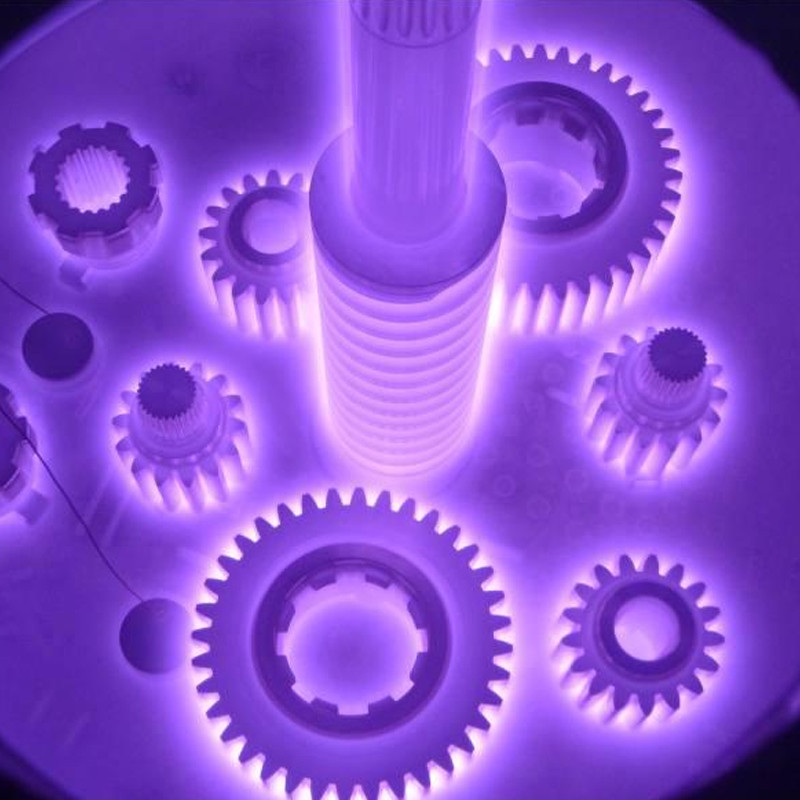
Example: specify evidence before production
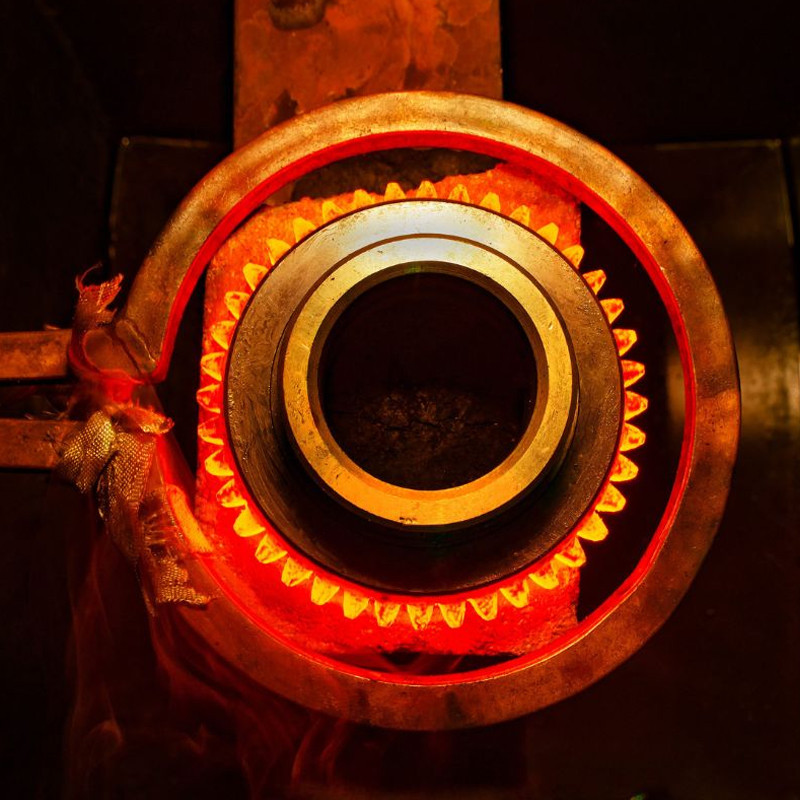
Related questions