Which gear finishing processes are available?
- Share
- Issue Time
- Aug 28,2026
Gear finishing processes: choose the operation by the final tooth requirement
Common gear-finishing processes include shaving, grinding, honing and lapping, but they are not interchangeable upgrades. The right gear-finishing process depends on the tooth geometry, material and heat-treatment condition, final profile and lead target, surface requirement, mating contact, quantity and inspection method. PairGears should review the complete route before a finishing method is specified.
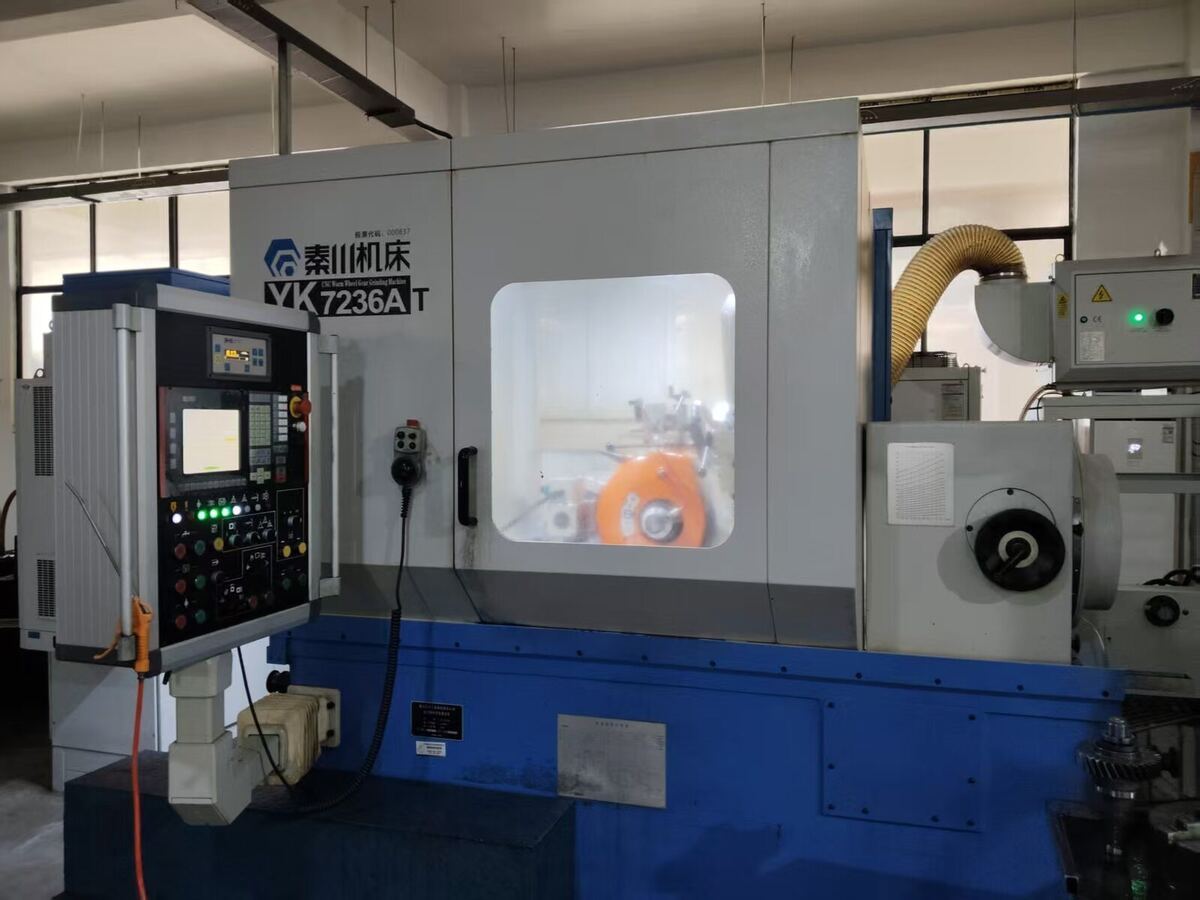
How the common finishing options differ
Shaving removes a small amount of material before heat treatment in suitable routes. Grinding is commonly considered when hardened teeth need final geometry or surface control. Honing can refine tooth-surface texture and contact behavior in an appropriate process window, while lapping uses a mating action and abrasive medium to improve a specified contact condition. Each process needs a defined allowance, workholding plan and measurement strategy.
The PairGears gear-finishing guide provides the process context. Do not choose solely by a desired label such as “quiet” or “precision”; verify profile, lead, pitch, runout, roughness or contact requirements that actually govern acceptance.
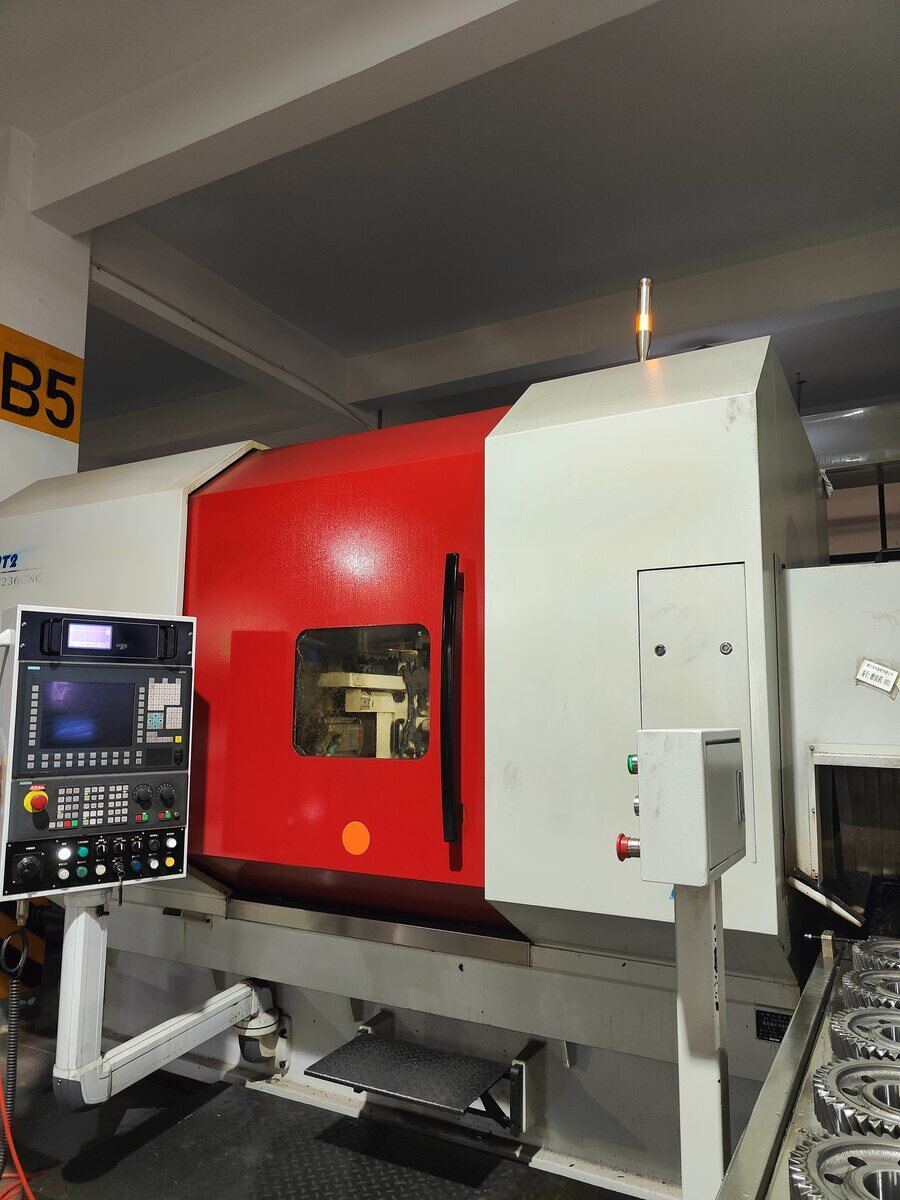
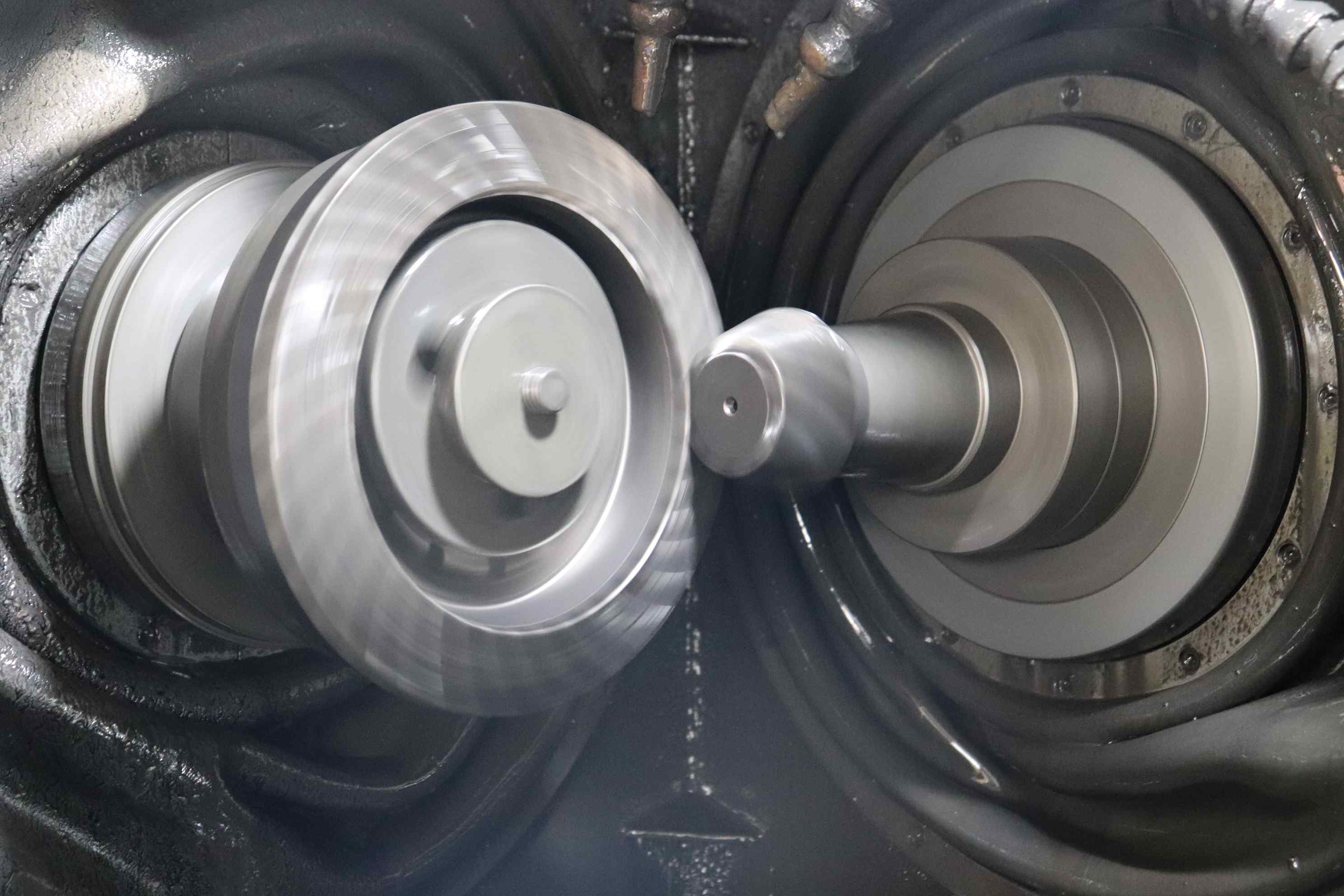
Example or decision check
For a carburized helical gear with a tight final profile target, the route may reserve allowance before hardening and evaluate grinding after heat treatment. A different gear may require only a pre-heat-treatment shaving route or a later honing step. The drawing, material route, mating gear, production volume and inspection report must determine the decision.