How do hobbed, shaped, skived, and ground gears differ for precision applications?
- Share
- Issue Time
- Aug 6,2026
How do hobbed, shaped, skived, and ground gears differ?
For precision applications, the best gear manufacturing process depends on the gear geometry, batch size, final tooth requirement, and heat-treatment route—not on a single process being universally superior. Hobbing is commonly used for external spur and helical gears; shaping or power skiving can suit internal or access-limited forms; grinding is usually a finishing step when final geometry or surface control warrants it.
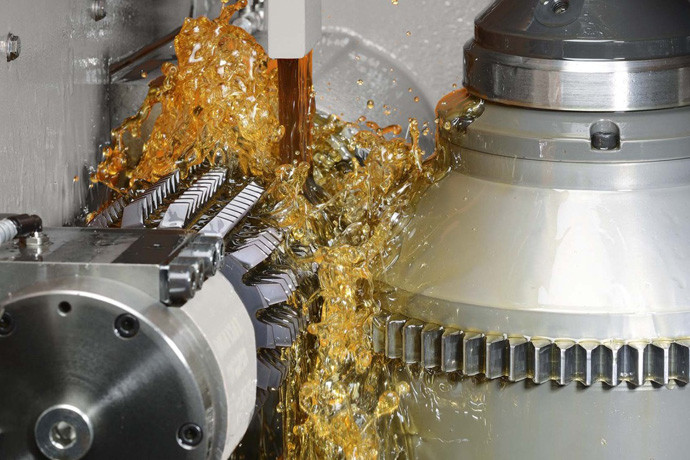
Choose the route by the feature that drives risk
Hobbing
Hobbing is an efficient generating process for many external spur and helical gears. It is often a practical starting route when repeat output and cost per part matter, provided the required tooth geometry and surface condition can be met without a later finish.
Shaping and power skiving
Shaping is often considered where internal teeth or nearby shoulders limit tool access. Power skiving can be a productive option for internal gears and splines when the machine, tooling, rigidity, and setup are suitable. These methods are selected from the part geometry and process window, not from the name alone.
Grinding
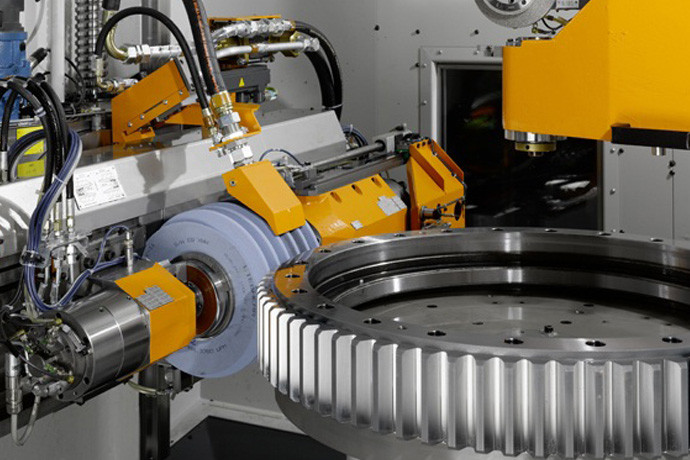
Grinding is normally a finishing or correction operation. It becomes more relevant when the project needs tighter final tooth profile or lead control, a refined surface, or recovery of planned allowance after heat treatment. It also adds time, specialized equipment, and inspection effort.
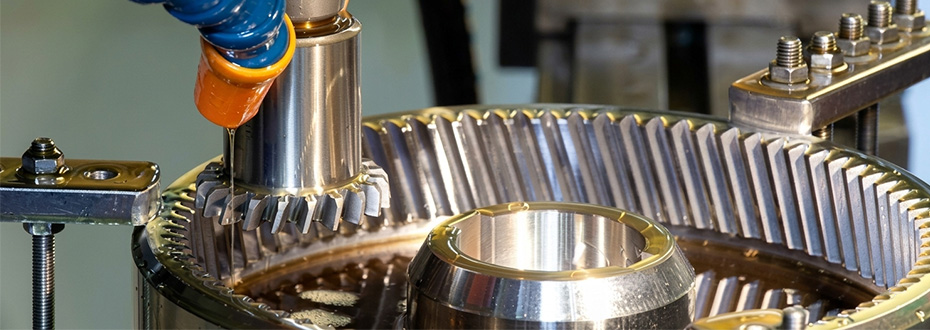
Example: how to compare the total route
A repeat external helical gear may begin with hobbing. If its final requirement is sensitive to heat-treatment distortion, tooth contact, or running behavior, the route can reserve stock and add grinding after hardening. An internal gear or spline with restricted access may instead start with shaping or be reviewed for power skiving. The decision should be confirmed against the drawing, material, heat-treatment plan, target accuracy, quantity, and inspection criteria.
PairGears describes hobbing, shaping, grinding, and related steps as parts of a wider manufacturing sequence. Its gear manufacturing process guide shows why datum control, planned finishing allowance, and inspection need to be considered together.
Related questions
- How are gear teeth made?
- How can I reduce gear whine with finishing processes?
- Which inspection outputs should define acceptance before production starts?
For a route review, PairGears can assess the drawing and project conditions; the appropriate process must remain conditional on the confirmed design and acceptance requirements.