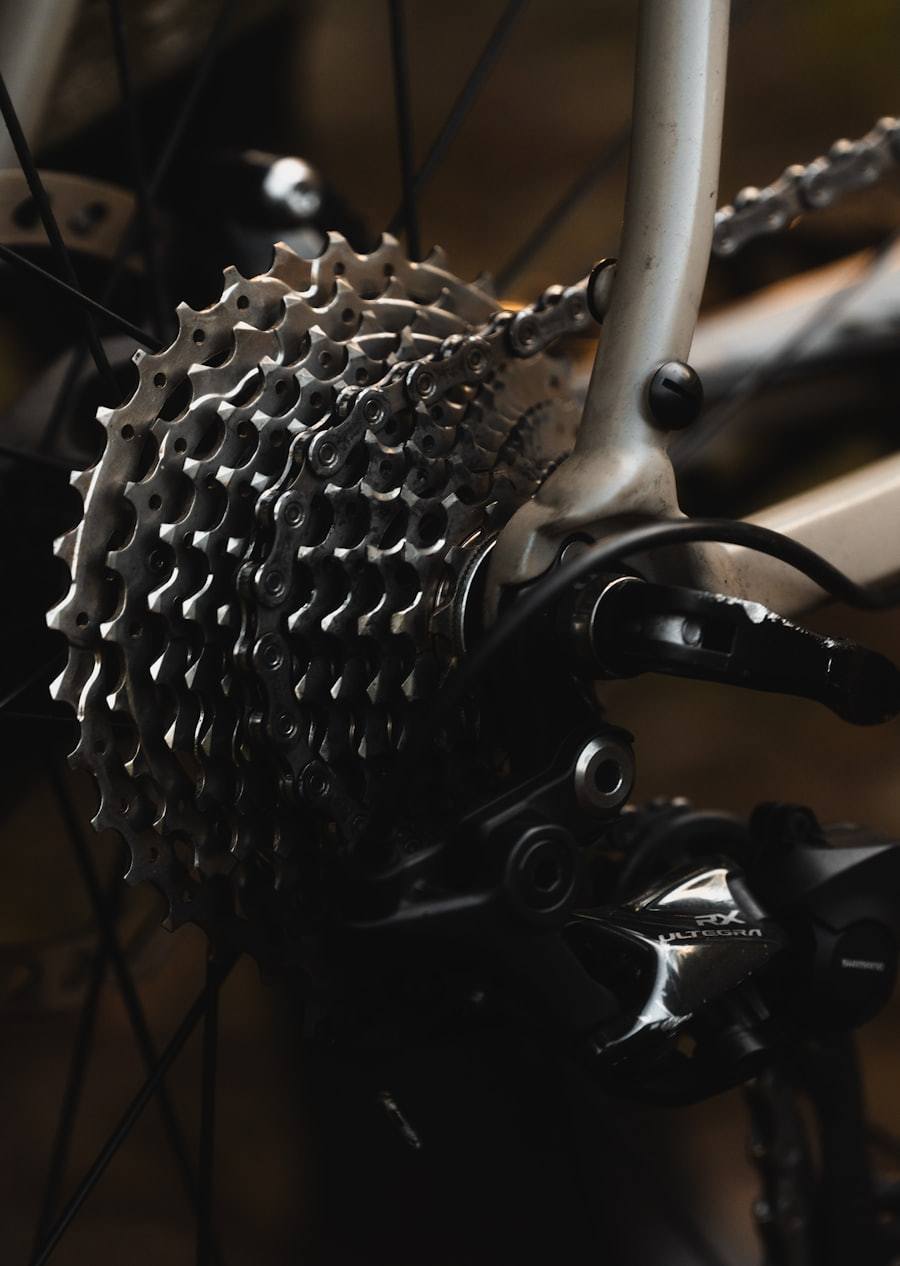
Can sprockets be used as gears?
- Share
- Issue Time
- Aug 19,2026
Sprockets vs gears: match the transmission type first
Sprockets should not normally be used as direct-meshing gears. A sprocket is designed to engage a matched chain; a gear is designed to mesh with another gear of the correct tooth form, pitch or module and pressure angle. PairGears recommends identifying the intended transmission before treating two toothed wheels as interchangeable.
Detailed explanation
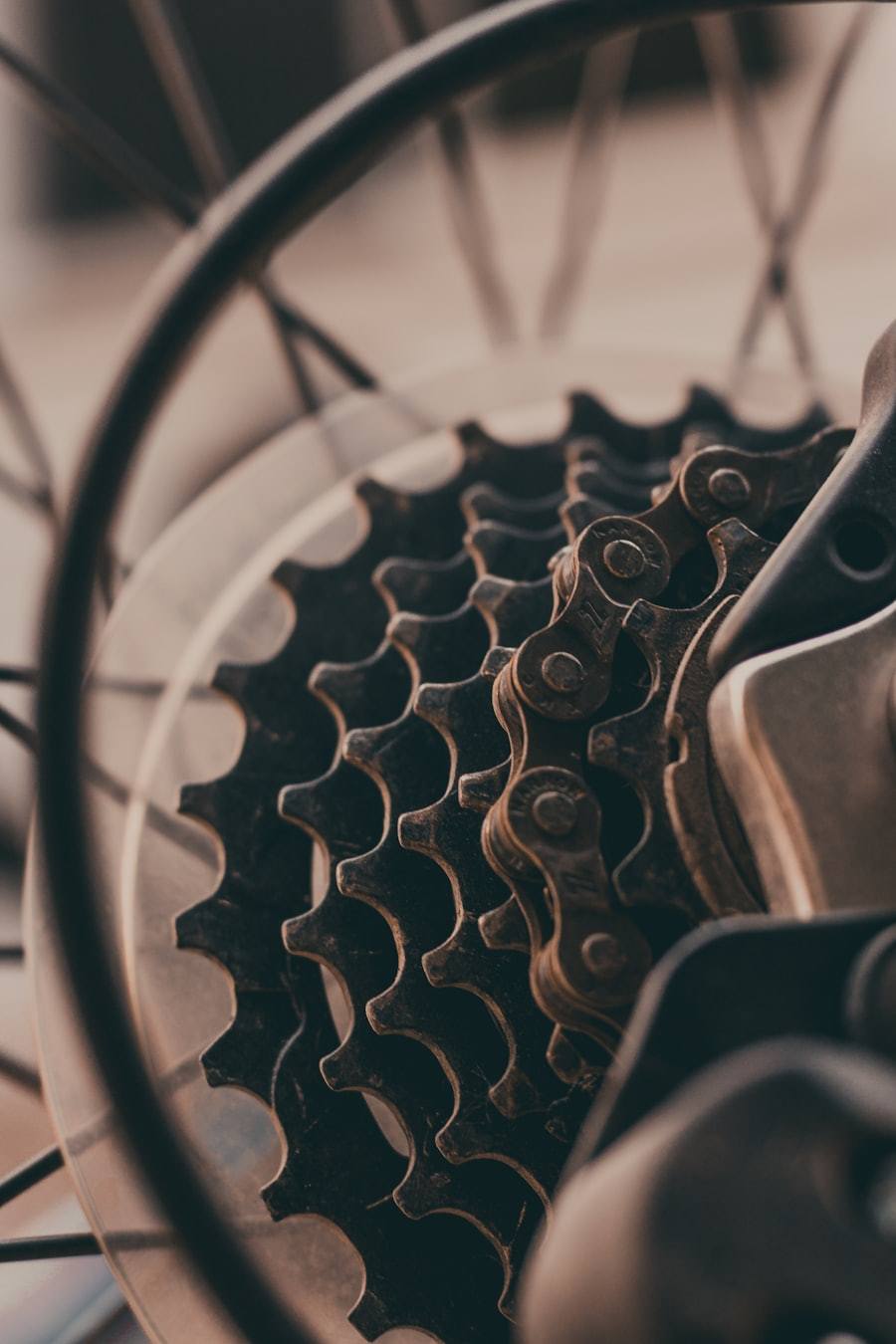
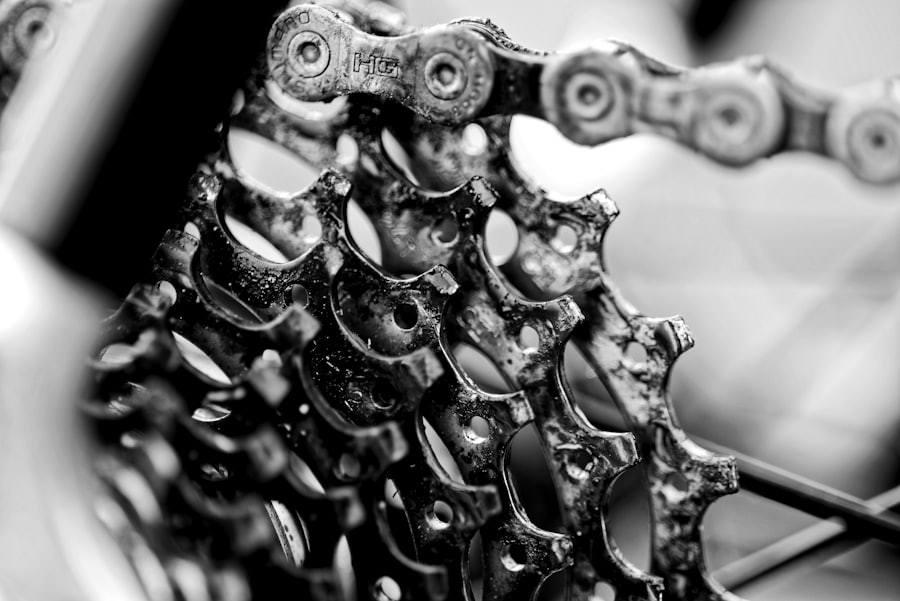
What changes between the two: a chain drive carries motion through rollers and chain pitch, while a gear mesh carries motion through tooth-flank contact. Their tooth shapes, contact conditions, alignment needs, lubrication practice and guards are therefore different.
Check whether the machine uses a roller chain, a timing belt, or a true gear mesh. Then confirm chain pitch and strand count for a sprocket, or module/DP, pressure angle, helix angle, tooth count, center distance and mating-part data for a gear. The PairGears precision-gear classification guide makes the practical distinction: sprockets transmit through chains, whereas gears mesh directly.
Example and data to confirm
For example, replacing a chain sprocket with a spur gear would leave the chain without the tooth form and pitch it needs to seat correctly. Replacing a spur gear with a sprocket can likewise change contact, backlash, load distribution and motion. Send photos of the drive, the mating part, tooth count, pitch or module, shaft details and operating load before specifying a replacement.