Gear and Pinion Systems: Types, Ratio and Matching
- Share
- publisher
- Jessica
- Issue Time
- May 20,2026
Summary
Learn how gear and pinion systems work, including common types, gear ratio, matching points, inspection checks, and buyer tips for replacement projects.
Introduction
A gear and pinion system may look simple when you only see two toothed parts working together. A smaller pinion drives or is driven by a larger gear, and power moves from one shaft to another. In real applications, however, the result depends on much more than tooth count. Gear ratio, tooth contact, backlash, material, heat treatment, and matching accuracy all affect how the system runs.
At PairGears, we manufacture custom precision gears and gear sets for Agricultural Machinery, Heavy-Duty Trucks, Construction Equipment, and EV drivetrains. For replacement parts, repair projects, and custom gear sets, the main risk is choosing parts that look similar but do not work correctly together. This guide explains how gear and pinion systems work, what buyers should check, and why matching should be reviewed as a full working pair rather than as two separate parts.
What is a gear and pinion system?
A gear and pinion system is a pair of toothed components in which the smaller pinion meshes with a larger gear to transfer torque, change speed, or redirect motion.
How a gear and pinion system actually works
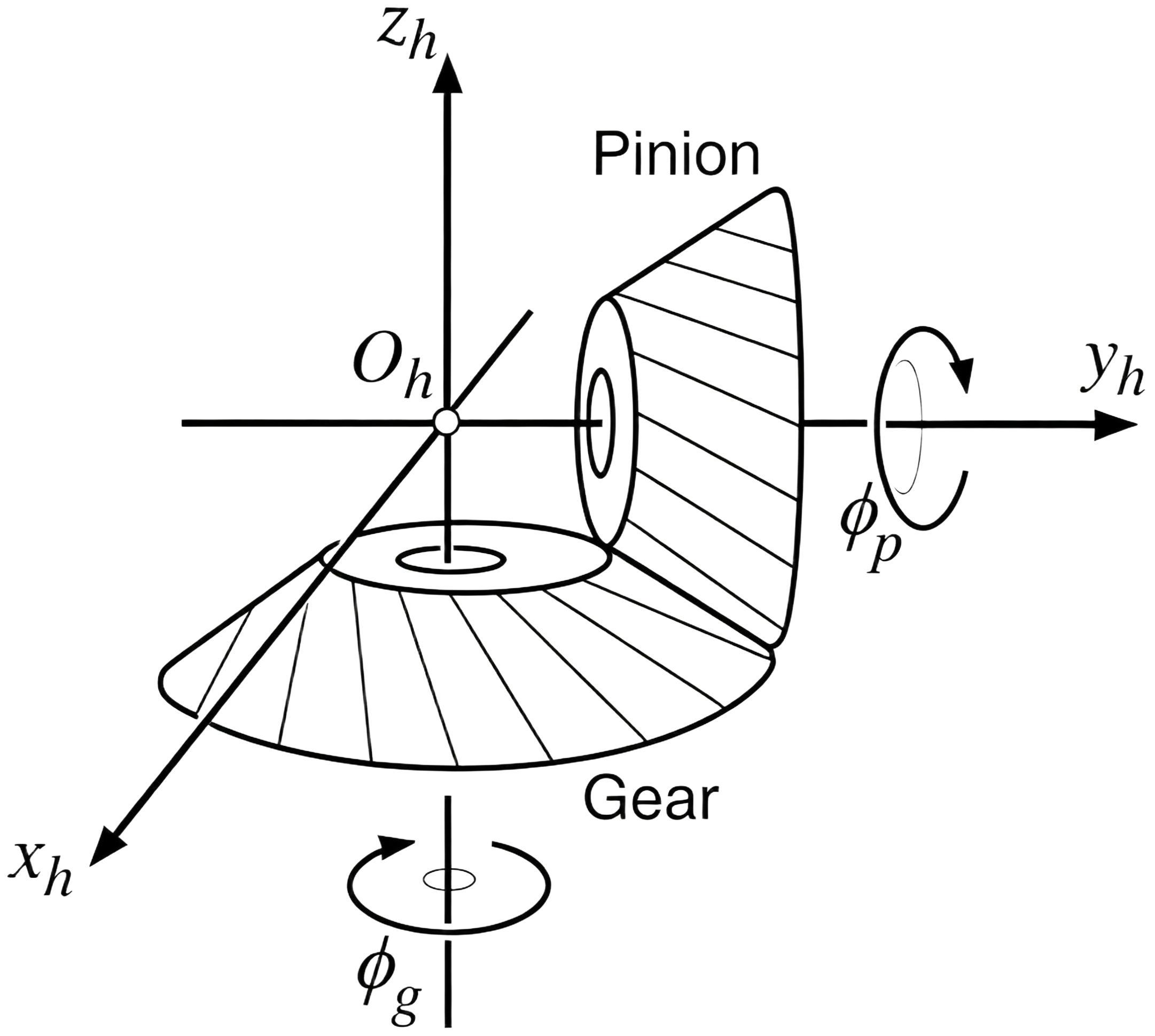
A gear and pinion system works through tooth contact. When the pinion rotates, its teeth push against the teeth of the larger gear, and motion is transferred from one component to another. This basic action sounds simple, but the real performance depends on how the teeth enter contact, how the load is shared, and whether the pair is matched correctly.
The difference in size between the gear and the pinion creates the ratio. If the larger gear has more teeth than the pinion, output speed usually drops while torque increases. If the ratio is close to 1:1, the system may mainly change direction or transfer motion without a major speed reduction. In many practical systems, the ratio affects more than output speed. It also influences tooth load, contact behavior, and the way the machine feels under real working conditions.
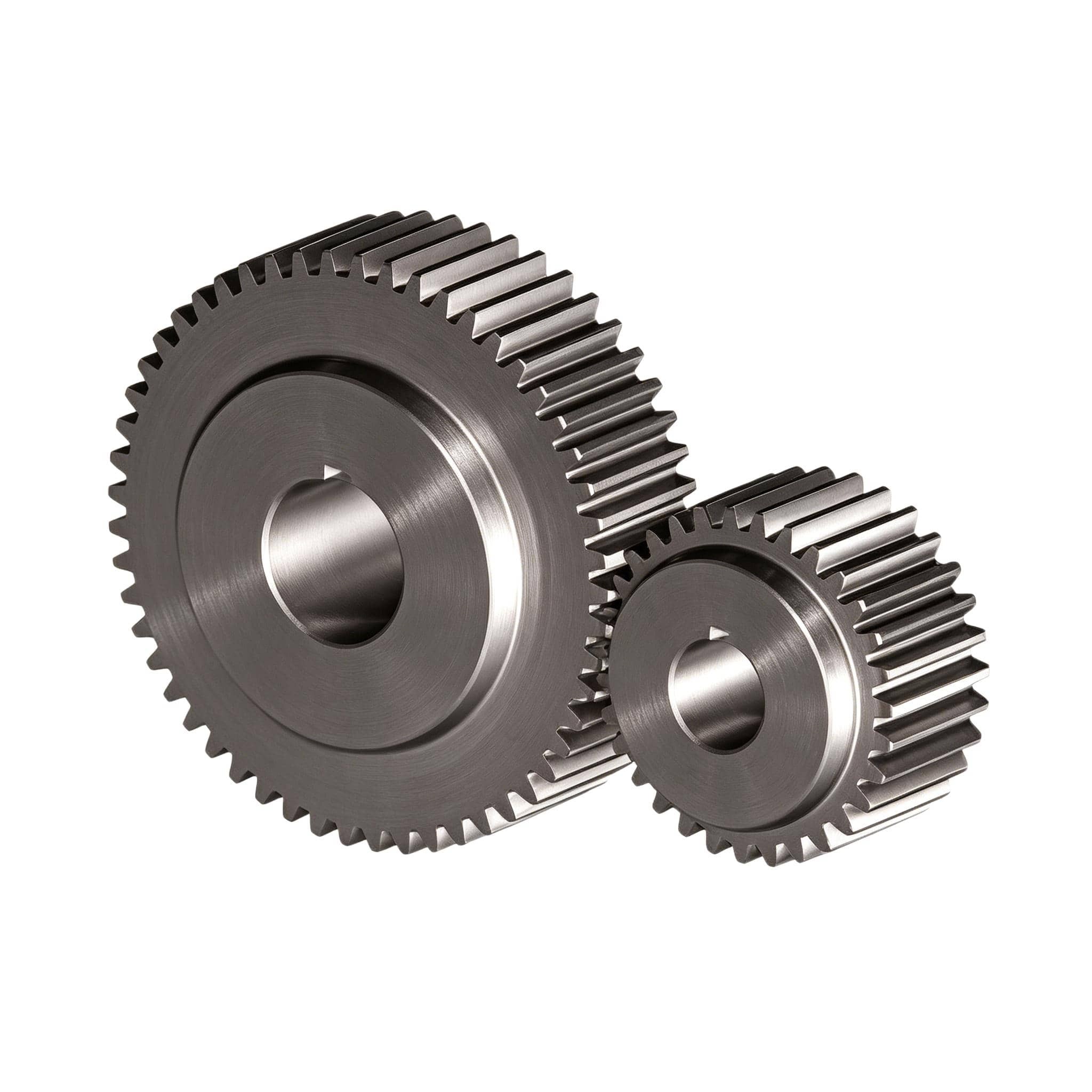
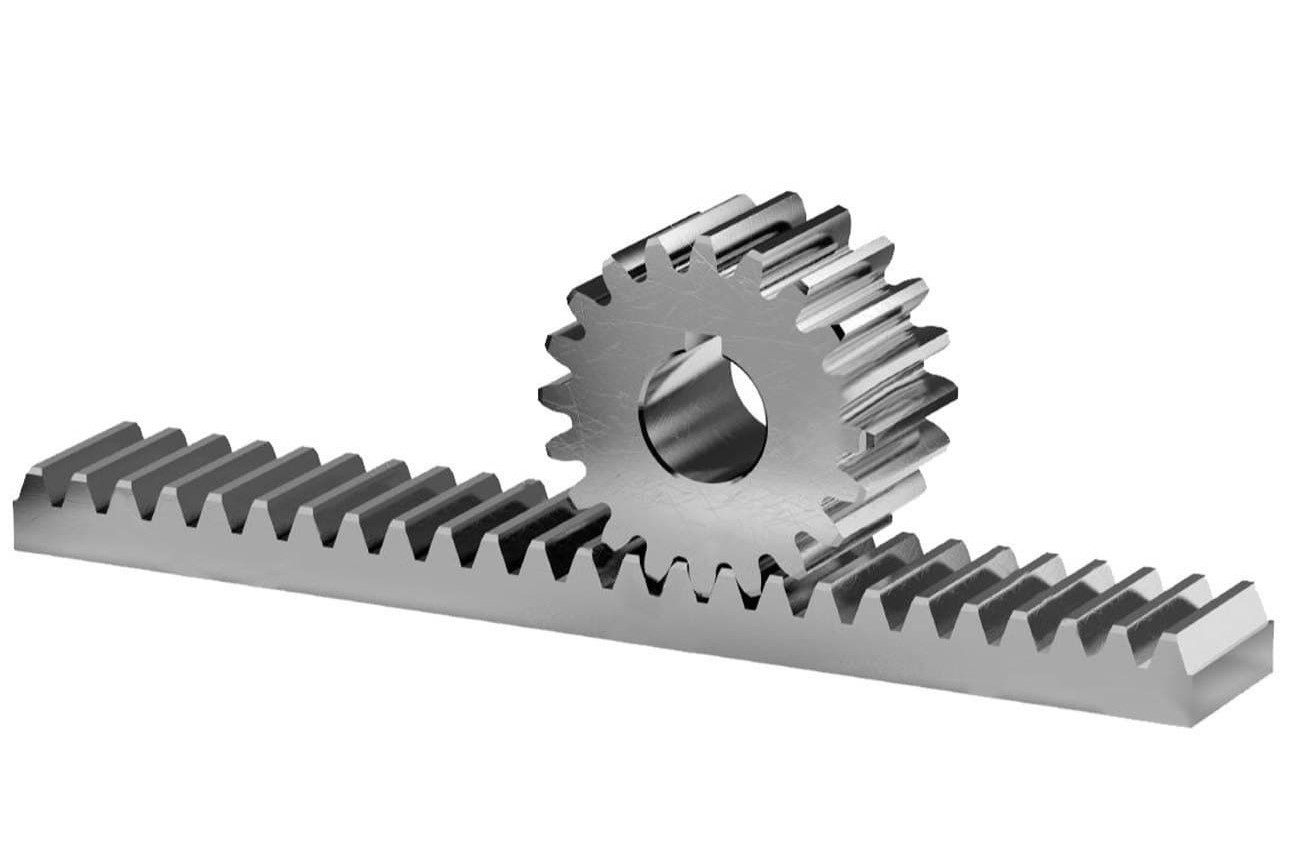
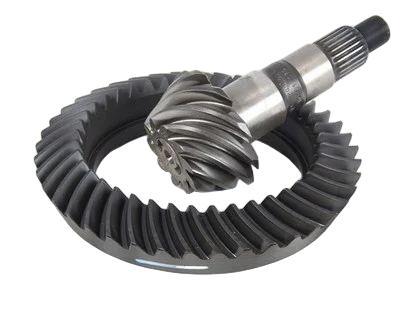
The layout matters too. Spur gear and pinion sets usually work on parallel shafts. Bevel and crown wheel and pinion sets are used when power needs to turn through an angle. Rack and pinion systems convert rotary motion into linear travel. Because these layouts behave differently, buyers should not treat every "gear and pinion" request as the same type of project.
Common gear and pinion layouts
| Type | How it works | Common use | Buyer checkpoint |
| Spur gear and pinion | Parallel shafts transfer speed and torque | Industrial drives, simple mechanical systems | Tooth count, module, face width, backlash |
Rotary motion converts into linear motion | Steering, sliding mechanisms, positioning systems | Tooth pitch, rack straightness, wear pattern | |
Crown wheel and pinion | Power turns through an angled drive | Agricultural machinery, axle systems, differential-related assemblies | Matching contact, ratio, mounting distance |
| Differential gear set | Multiple gears distribute torque between outputs | Vehicle and machinery drive systems | Gear matching, contact pattern, preload, backlash |
| Bevel gear and pinion | Intersecting shafts transfer power at an angle | Right-angle drives, machinery transmission systems | Tooth contact, shaft angle, heat treatment |
A practical point for replacement work: crown wheel and pinion sets should usually be treated with extra care because they often operate as a matched pair. Replacing only one side without checking contact, ratio, and installation condition can lead to noise, heat, or early wear.
Gear ratio basics in plain terms
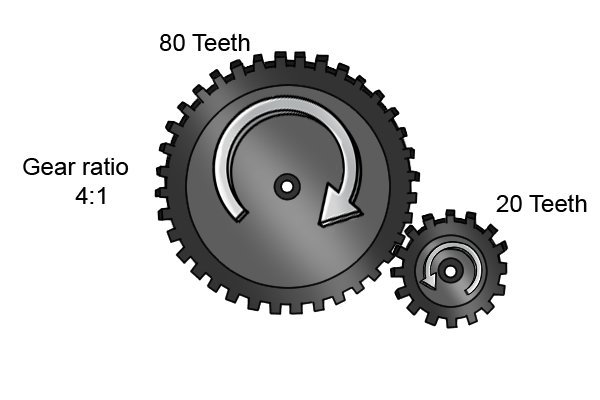
Gear ratio is usually calculated by comparing the number of teeth on the larger gear with the number of teeth on the pinion.
Gear ratio = number of teeth on the gear ÷ number of teeth on the pinion
For example, if a gear has 40 teeth and the pinion has 10 teeth, the ratio is 4:1. This means the pinion rotates four times for every one turn of the larger gear.
| Gear teeth | Pinion teeth | Ratio | What it usually means |
| 40 | 10 | 4:1 | Lower speed, higher torque |
| 36 | 12 | 3:1 | Moderate reduction |
| 30 | 15 | 2:1 | Smaller speed reduction |
25 | 25 | 1:1 | Motion transfer with no speed change |
Ratio matters because it affects torque, speed, machine response, and tooth loading. In replacement projects, the ratio should normally match the original system unless the whole transmission design is being reviewed. A small tooth-count difference may look minor, but in service it can change operating behavior enough to cause mismatch or accelerated wear.
Why matching matters more than many buyers expect
A gear and pinion system should not be treated as two random toothed parts that only need the same general shape. Matching is often the difference between a smooth-running set and one that becomes noisy, hot, or short-lived.
Tooth count and ratio must match.
Even a small mistake in tooth count changes the ratio. In agricultural machinery, truck drivetrains, or construction equipment, this can affect speed, load sharing, and the way the full system behaves.
Backlash must be controlled.
Backlash is the small clearance between mating teeth. Too little backlash can lead to heat, tight running, and poor lubrication film behavior. Too much backlash can create impact, noise, and unstable contact.
Tooth contact should be checked.
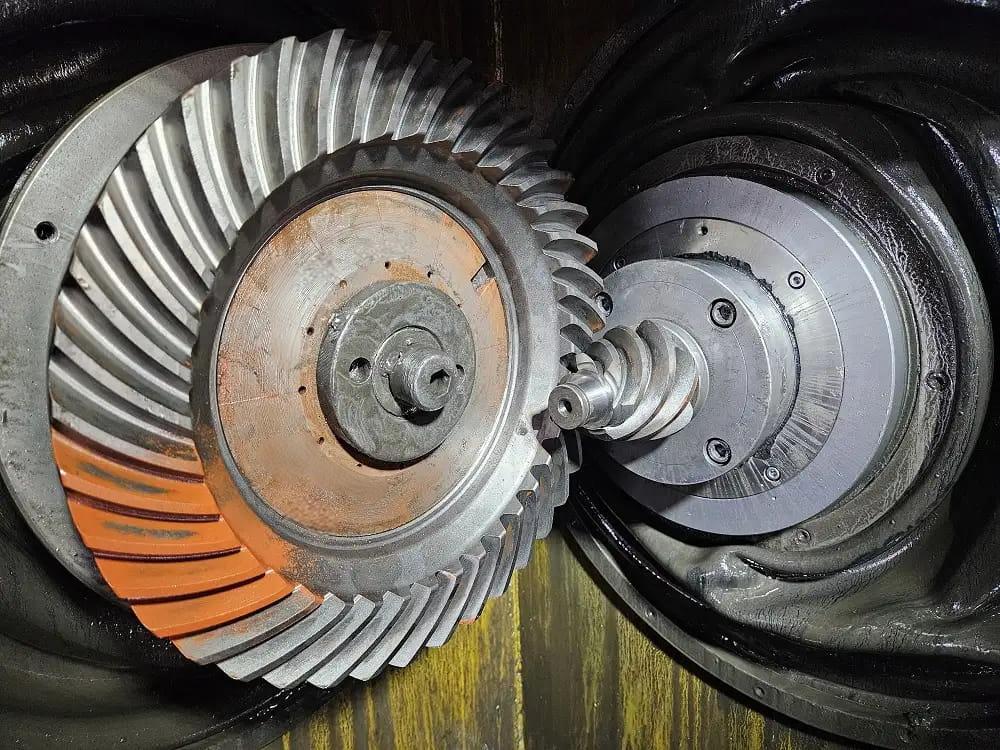
For bevel, crown wheel, and pinion systems, the contact pattern shows whether load is carried in the correct area. Poor contact often leads to edge loading, noise, and early tooth damage.
Material and heat treatment should be compatible.
Matching is not only about geometry. If one part is much harder, softer, or differently treated than its mate, wear can become uneven and service life can drop.
Mounting distance and assembly condition matter.
Even a well-made gear set may run poorly if installation position, bearing support, preload, or alignment is wrong.
Inspection points buyers should check
| Inspection item | What it checks | Why it matters |
| Tooth count and ratio | Confirms the gear and pinion relationship | Avoids wrong speed or torque output |
| Module or diametral pitch | Confirms tooth size compatibility | Prevents mismatch between mating parts |
| Runout | Checks rotating accuracy | Helps reduce vibration and uneven wear |
Backlash | Checks tooth clearance | Prevents tight running or excessive noise |
Tooth contact pattern | Shows load position on the teeth | Helps confirm proper matching |
Hardness | Checks heat treatment result | Supports wear resistance and strength |
Surface finish | Checks tooth and bearing contact surfaces | Reduces wear and heat |
Bore and spline fit | Confirms assembly fit | Prevents looseness or installation issues |
Crack and burr check | Finds visible or hidden defects | Reduces failure risk before use |
For custom or replacement projects, buyers should ask which inspection items can be reported before shipment. A simple size check is often not enough for a matched gear and pinion system. If the project is sensitive to noise, contact, or service life, the inspection plan should be reviewed before production, not after a field complaint.
What buyers should provide before quotation
The more complete the information, the easier it is to judge whether a gear and pinion system can be produced or matched correctly.
● OEM number, part number, or old reference number
● Drawing, sample, or clear product photos
● Tooth count of both gear and pinion
● Module or diametral pitch, if available
● Outside diameter, bore size, face width, and other key dimensions
● Material and heat treatment requirement
● Hardness or case depth requirement
● Application and working condition
● Quantity and expected delivery schedule
● Inspection report requirement
For crown wheel and pinion replacement projects, it is better to provide both parts together when possible. Photos of the old contact pattern, wear area, or failed tooth can also help the supplier understand the real issue faster.
Why Choose PairGears
PairGears supports custom precision gears, pinion shafts, crown wheel and pinion sets, and replacement transmission components for Agricultural Machinery, Heavy-Duty Trucks, Construction Equipment, and EV drivetrains.
For gear and pinion systems, PairGears looks at the set as a working pair, not just as two separate parts. Tooth count, ratio, module or diametral pitch, material, heat treatment, backlash, contact pattern, bore fit, and inspection requirements are reviewed together so the parts are easier to match in real use.
This is especially useful for buyers working on replacement sets, repair projects, sample-based development, or drawing-based production, where parts may look similar but still fail because of poor matching. By reviewing the full set and the actual application conditions early, PairGears helps reduce installation risk, noise, heat, and premature wear.
FAQ
Q1: What is the difference between a gear and a pinion?
The pinion is usually the smaller member in a gear pair, while the larger member is called the gear.
Q2: How is gear and pinion ratio calculated?
Divide the number of teeth on the larger gear by the number of teeth on the pinion.
Q3: Why should crown wheel and pinion parts be matched?
Because mismatched contact, ratio, or mounting conditions can cause noise, heat, and early wear.
Q4: What should buyers check before replacement?
Check tooth count, ratio, module or diametral pitch, backlash, contact pattern, material, and fit details.
Q5: Can PairGears support sample-based projects?
Yes. Projects can start from drawings, samples, OEM numbers, photos, or key dimensions.
Conclusion
Gear and pinion systems are common, but they should not be treated as simple off-the-shelf parts when ratio, fit, and matching matter. Tooth count, gear ratio, backlash, contact pattern, material, heat treatment, and inspection all influence how the set performs after installation.
If you are planning a custom gear and pinion project or replacing an existing set, you are welcome to Contact Us with your drawings, OEM numbers, samples, photos, and working conditions so we can help review the set and discuss a practical manufacturing, matching, and inspection route.