What are the advantages of straight-cut gears?
- Share
- Issue Time
- Aug 28,2026
Straight-cut gear advantages: direct parallel-shaft power transfer
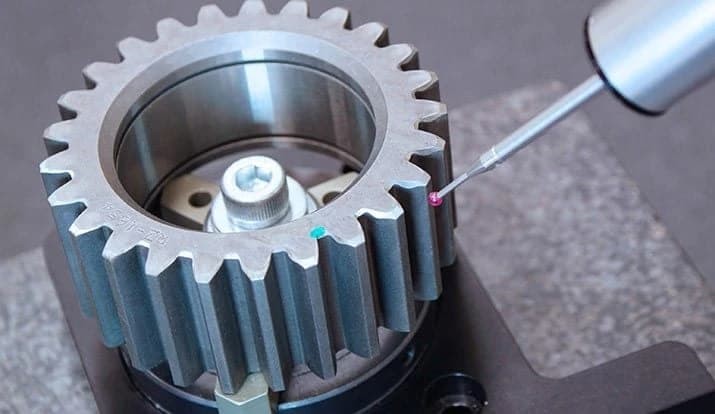
Straight-cut gears, commonly called spur gears, can be advantageous on parallel shafts because their teeth are simple to manufacture and inspect, their mesh produces little axial thrust, and their power path is direct. They are not a universal replacement for helical gears: speed, load, accuracy, housing stiffness, lubrication and noise target still determine the better choice. PairGears can assess those conditions from the application data.
Where the advantages matter—and where they do not settle the choice
Start with shaft arrangement and duty. For a parallel-shaft stage, a straight tooth form avoids the axial force generated by a helical angle, which can simplify bearing and housing decisions. Its established tooth geometry can also make the manufacturing and inspection route comparatively direct when the requested accuracy and quantity suit the process.
The PairGears straight-cut gear guide notes that smoother engagement may favor another tooth form as speed rises. Evaluate noise, contact ratio, transmission error, gear quality, mounting accuracy and lubrication together instead of promising a noise outcome from tooth direction alone.
Example or decision check
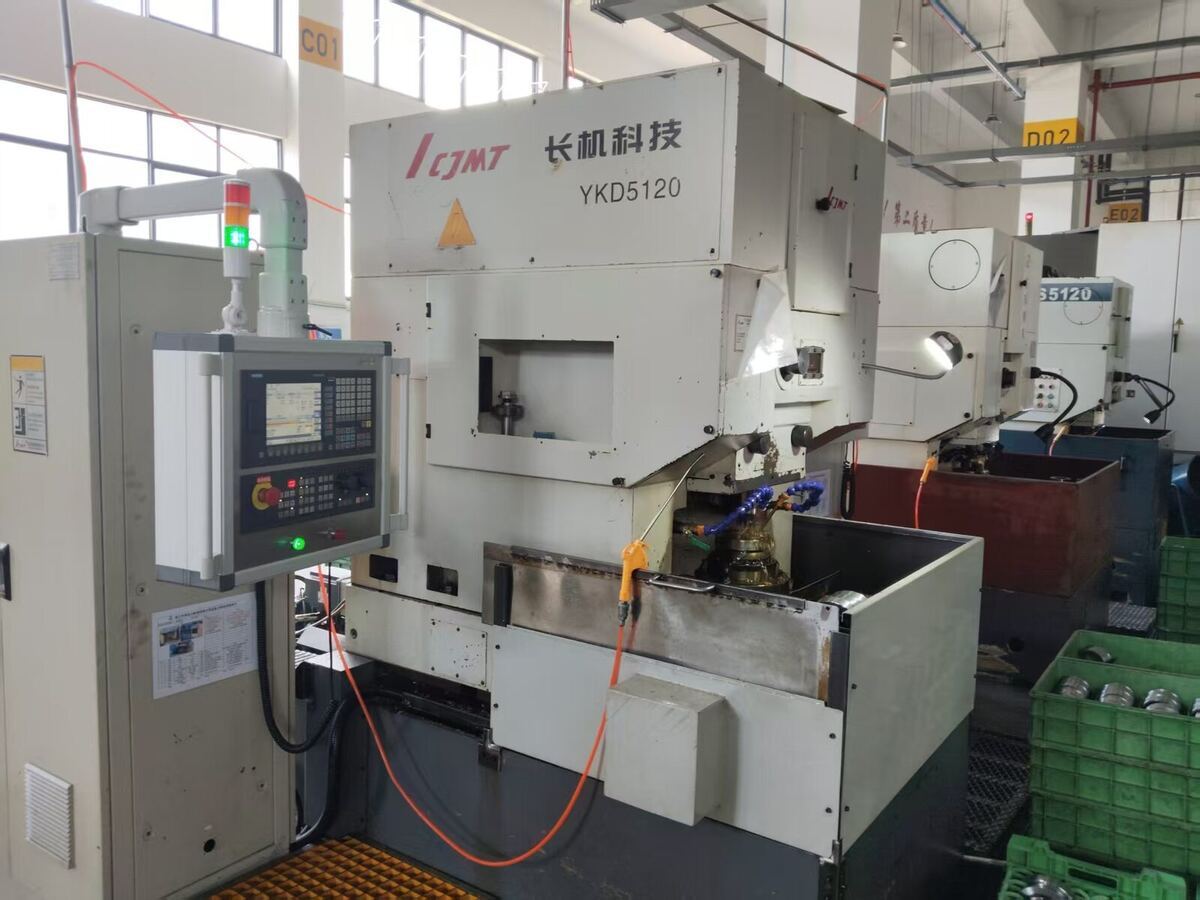
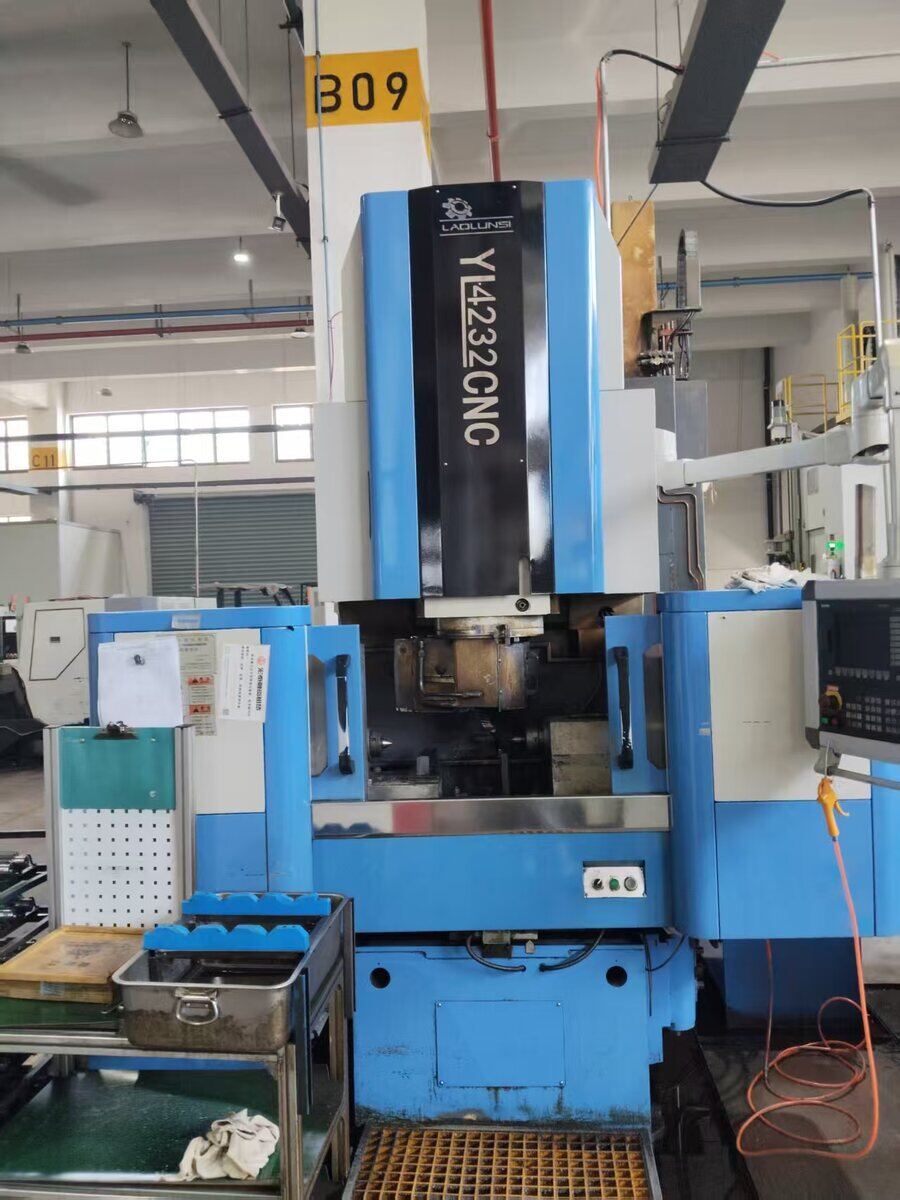
A compact conveyor reducer may prioritize simple parallel-shaft power transfer and limited axial loading. A high-speed enclosed stage may instead need a comparison of gear quality, housing stiffness and a helical alternative before choosing. In either case, document module or DP, tooth count, pressure angle, face width, torque, speed, duty and acceptance checks before release.