Can spur gears with different accuracy grades, face widths, or materials mesh?
- Share
- Issue Time
- Aug 26,2026
Mixed-specification spur gears: compatibility comes first
Yes. Spur gears with different accuracy grades, face widths or materials can mesh when module or DP, pressure angle, tooth form, helix angle and center distance are compatible. The pair must then be checked for the actual load, contact pattern, backlash and lubrication. PairGears treats the weaker, narrower or less accurate member as a possible limiting condition—not as an automatic mismatch.

Check the common geometry before comparing specifications
Confirm the tooth system first: both gears need the same module or diametral pitch, pressure angle, tooth form and compatible helix data. A different face width can be acceptable when the usable contact width, alignment and load distribution are controlled; extra width outside the working contact does not add capacity. Different materials can also work, but hardness, friction, thermal behavior, lubricant and wear pairing must suit the duty.
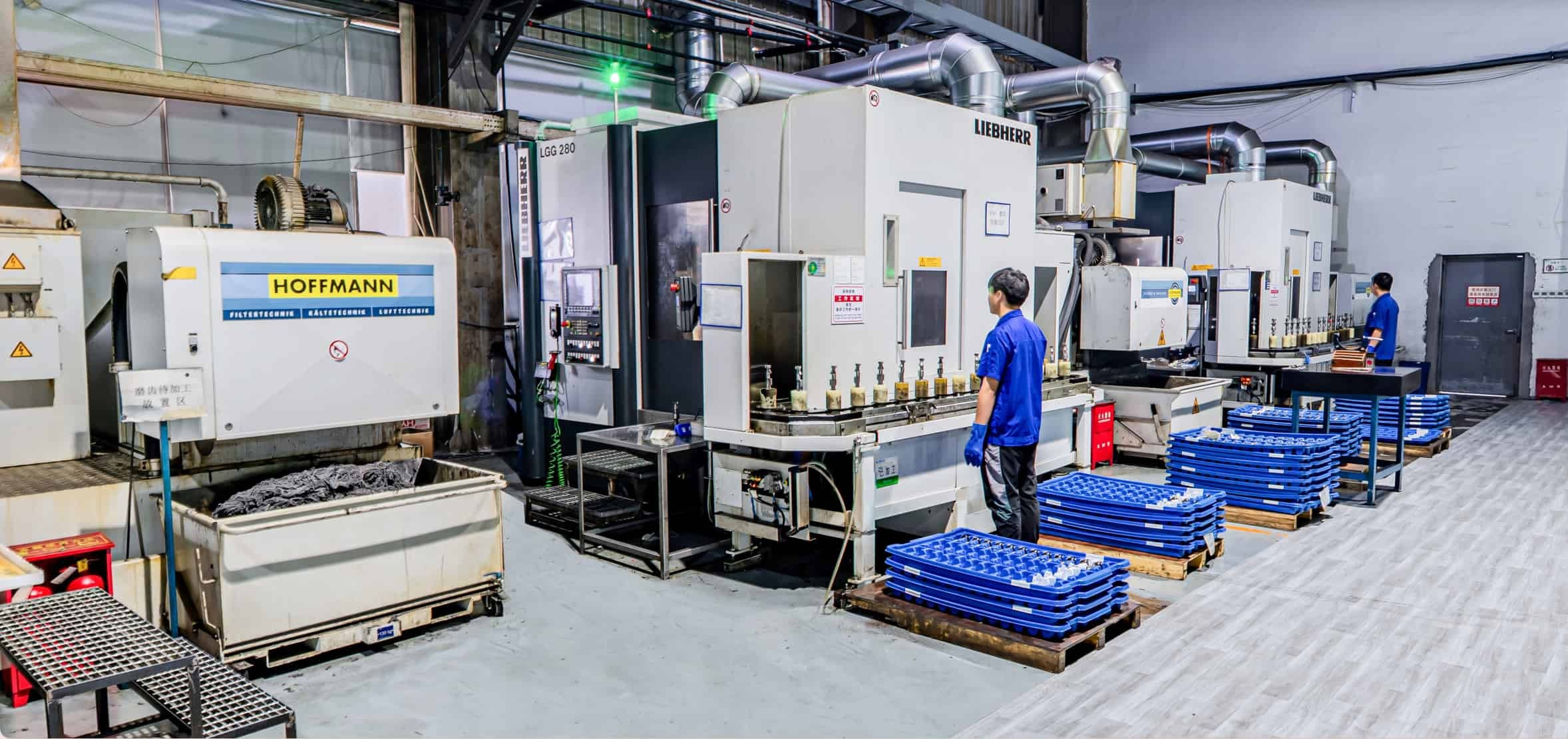
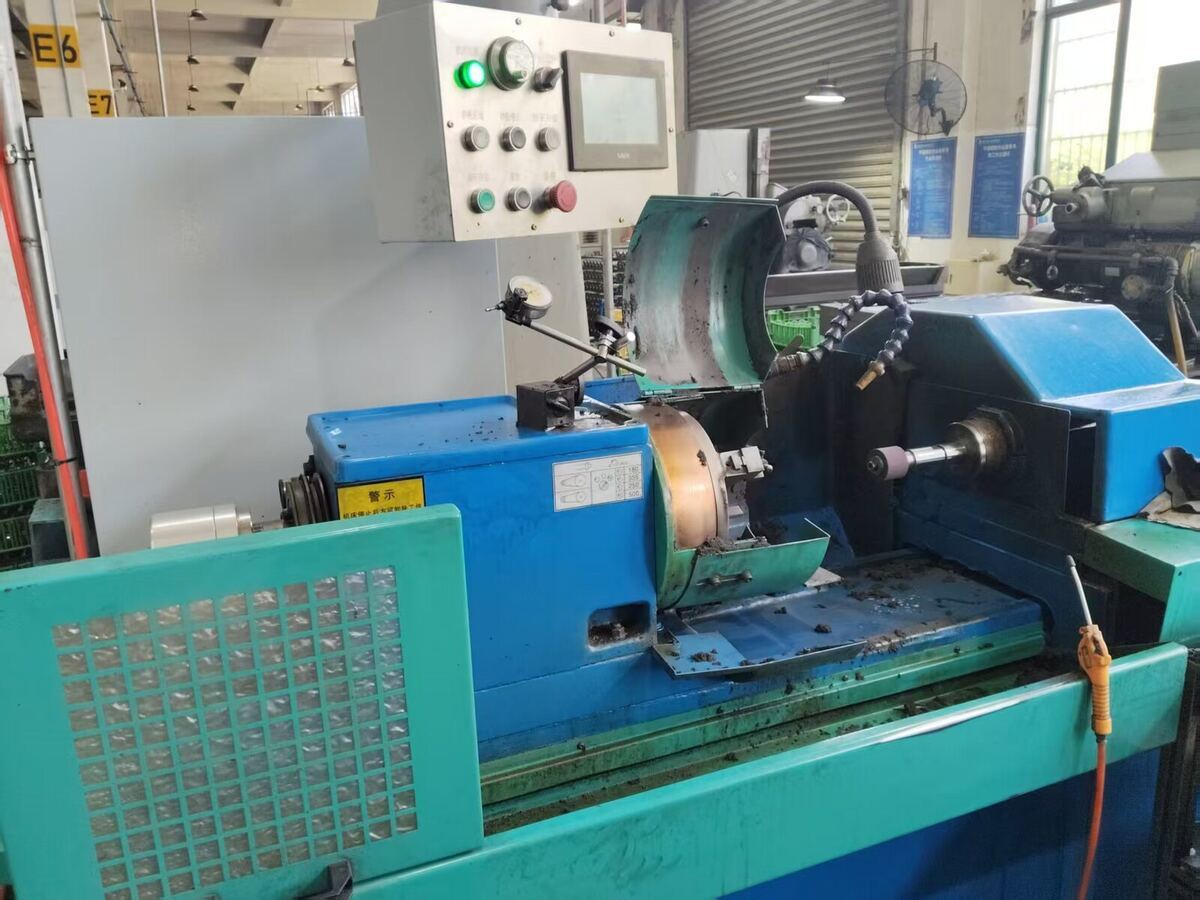
Accuracy grade affects transmission error, noise and contact stability. It does not override the geometry, and one high-grade gear cannot compensate for a mating gear whose errors, runout or mounting condition exceed the application limit. The PairGears accuracy-control guide explains why datum, tooth geometry and inspection must be considered together.
Example or decision check
A 20° involute spur pinion and gear of the same module may be paired even if one is wider or uses a different steel, provided the designed face contact stays within the common working width. Before release, compare tooth contact, root and contact stress, backlash at the operating center distance, lubricant compatibility and the required inspection evidence.