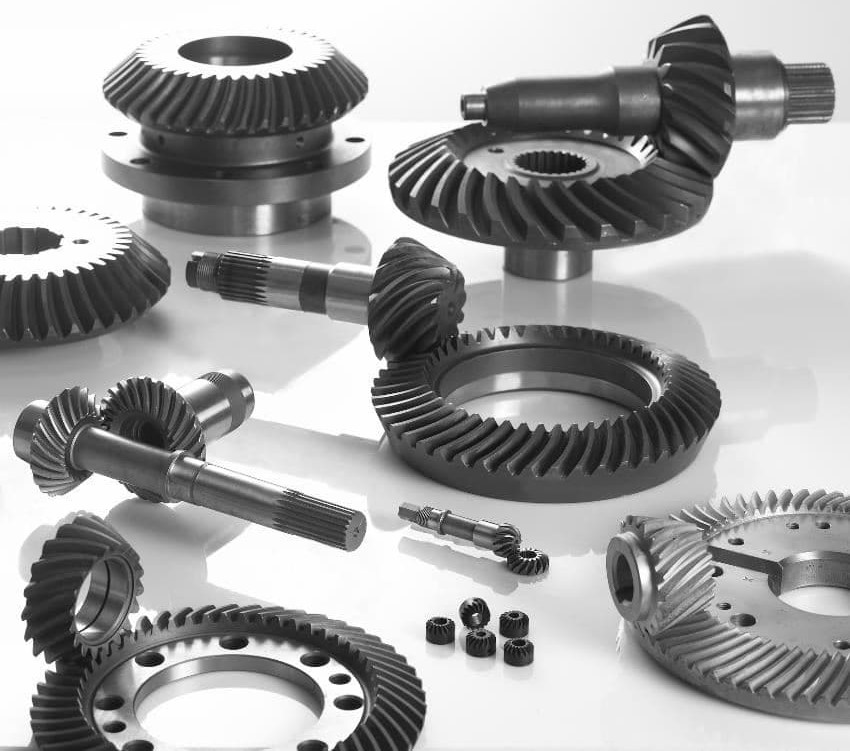
What should a bevel gear contact-pattern check confirm?
- Share
- Issue Time
- Aug 12,2026
Bevel gear contact-pattern checks: what they should confirm
A bevel gear contact-pattern check should confirm how a specified matched set contacts under the agreed mounting, rotation and inspection conditions. It helps reveal whether the observed tooth contact is consistent with the planned geometry and assembly basis, but it should not be treated as a universal pass/fail promise without the drawing, mounting distance, backlash target and acceptance rule. Review the gear pair as a system.
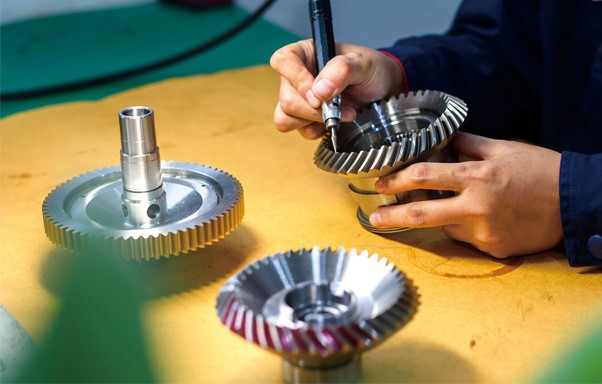
Make the inspection condition reproducible
- Identify the matched set: keep pinion and gear identification, tooth hand and any pairing instruction together.
- State the mounting basis: define the relevant mounting distance, bearing or fixture references, backlash condition and direction of rotation.
- Agree what is assessed: specify whether the check is visual contact evidence, a rolling check, measured geometry, or a defined combination.
- Keep application limits separate: a contact check supports assembly verification; noise, load and life still depend on the complete drivetrain condition.
PairGears’ spiral bevel gear direction guide likewise treats the matched set, mounting distance, contact pattern and lubrication as connected inputs.
Example: turn the requirement into a release check
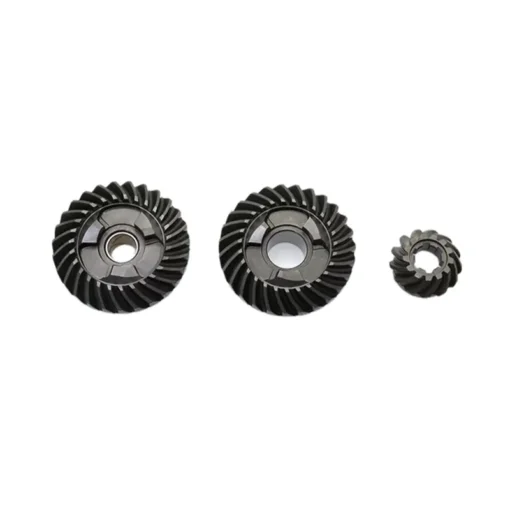
For a replacement spiral bevel set, the review package should identify the matched pair, rotation direction, mounting-distance reference, backlash target, fixture or housing datum, contact-pattern acceptance basis, lubrication condition and any related inspection record. PairGears can evaluate the request from the documented parts and application; feasibility must be confirmed for the actual set and assembly.