Do high-ratio hypoid gears automatically self-lock?
- Share
- Issue Time
- Aug 15,2026
High-ratio hypoid gear self-locking: verify it; do not assume it
No. A high ratio does not by itself make a hypoid gear set self-locking. Whether the output can backdrive the input depends on the actual tooth geometry, load direction, friction, lubricant, temperature, surface condition and assembly. For any holding or safety function, PairGears should review a defined gearset and the system should use a separately validated restraint where loss of holding would create a hazard.
What the engineering review needs
- Describe both torque paths: identify normal drive, coast and possible reverse-load directions.
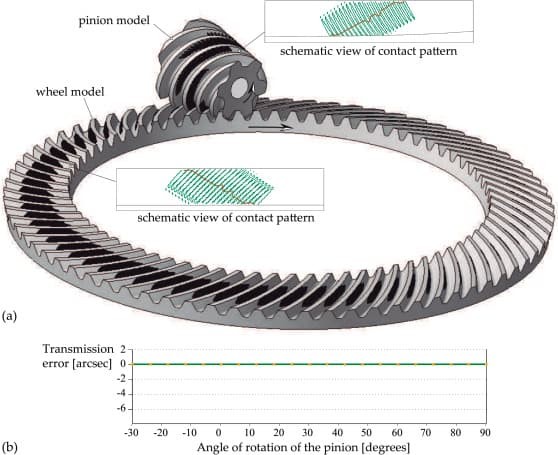
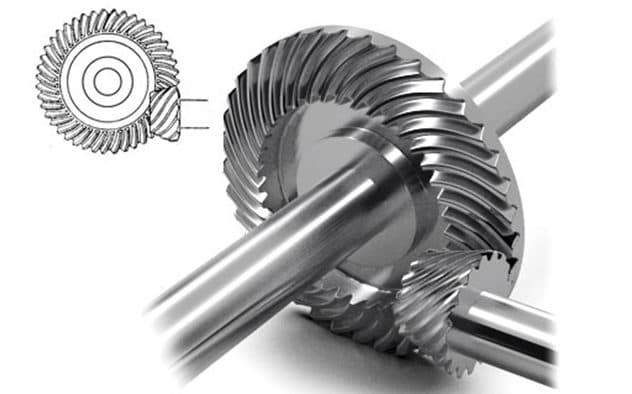
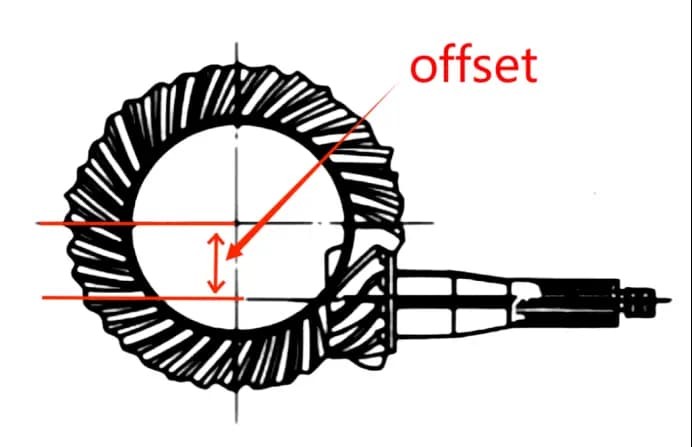
- Define geometry rather than ratio alone: tooth count, offset, spiral and pressure-angle data affect sliding and contact.
- State the friction conditions: lubricant type, temperature range, surface finish and run-in condition can change backdriving behavior.
- Set the safety boundary: a claimed holding function needs application-level verification; do not replace a brake or lock with an assumption about gear friction.
For context on the geometry and production checks of this gear type, see the PairGears hypoid gear guide.
Example: turn the question into a checkable review
A reducer may have a high ratio yet still turn backward under a particular reverse torque after lubricant temperature changes. A review should therefore record the gearset drawing, duty cycle, oil specification, temperature, applied reverse torque and the required safe response. That is a testable definition; “high ratio” alone is not.