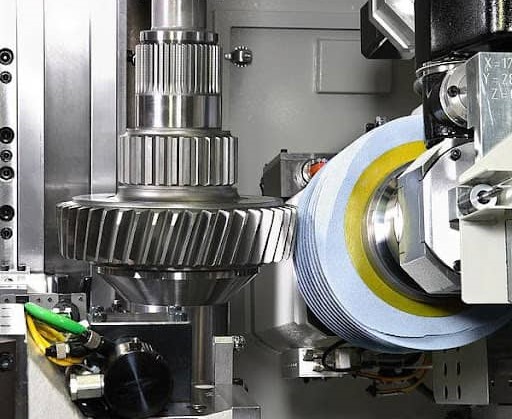
When is internal gear grinding the right manufacturing route?
- Share
- Issue Time
- Aug 11,2026
Internal gear grinding: when it earns its complexity
Internal gear grinding is worth considering when an internal gear needs final tooth correction after heat treatment or when the required geometry cannot be controlled confidently by the earlier cutting route alone. It is not the automatic choice for every internal gear: tool access, workholding, wheel dressing and metrology can add meaningful complexity. Select it only after reviewing the drawing, material route and acceptance measurements together.
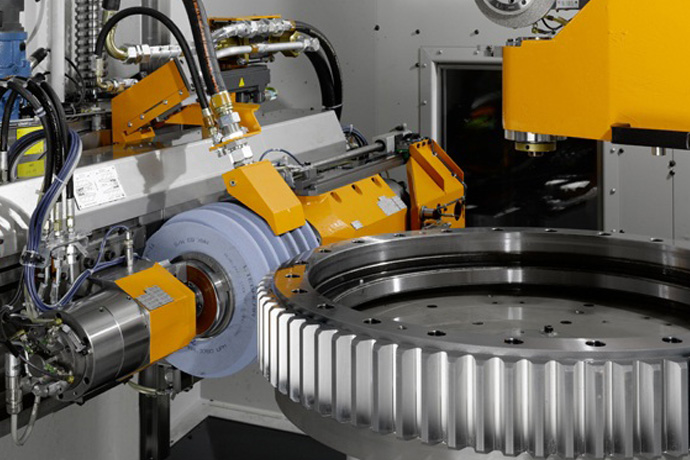
Use a route-selection checklist rather than a blanket promise
- Start with the tooth geometry: internal diameter, tooth form, face width, shoulders and relief space affect tool access and workholding.
- Plan around heat treatment: if hardening can move the final tooth geometry, define whether a finishing allowance and post-heat-treatment correction are required.
- Make inspection part of the decision: the requested profile, lead, pitch, runout and contact checks should be feasible from the agreed datum strategy.
- Compare alternatives: shaping, broaching or skiving may be more practical for some internal teeth, quantities and access conditions.
PairGears describes internal gear grinding as a specialized option where cutting accuracy is limited or distortion is significant, with tool access and metrology requiring attention.
Example: turn a broad request into an inspectable requirement
For a hardened internal ring gear, the review should identify the pre-finish process, heat-treatment condition, required final tooth characteristics, inspection datum, quantity and mating-part behavior. PairGears can use that information to evaluate whether internal grinding, skiving, shaping or another route fits the documented requirements; it should not be inferred from the phrase “precision gear” alone.