Do electric vehicles need gears, and what must the gearset control?
- Share
- Issue Time
- Aug 11,2026
EV reduction gears: the controls that matter
Many electric vehicles use a reduction gearset to match motor speed to wheel speed, although the exact drivetrain architecture varies by vehicle and application. The critical question is not simply whether an EV has gears; it is whether the gearset controls torque transfer, high-speed noise, thermal effects, mounting datums and inspection requirements as one system. A drawing review should start from those operating conditions.
Translate EV duty into gear requirements
- Speed and torque: provide the motor-speed range, peak and continuous torque, ratio target and duty cycle.
- NVH: define the noise-sensitive operating range and whether a contact-pattern, profile or lead-control strategy is required.
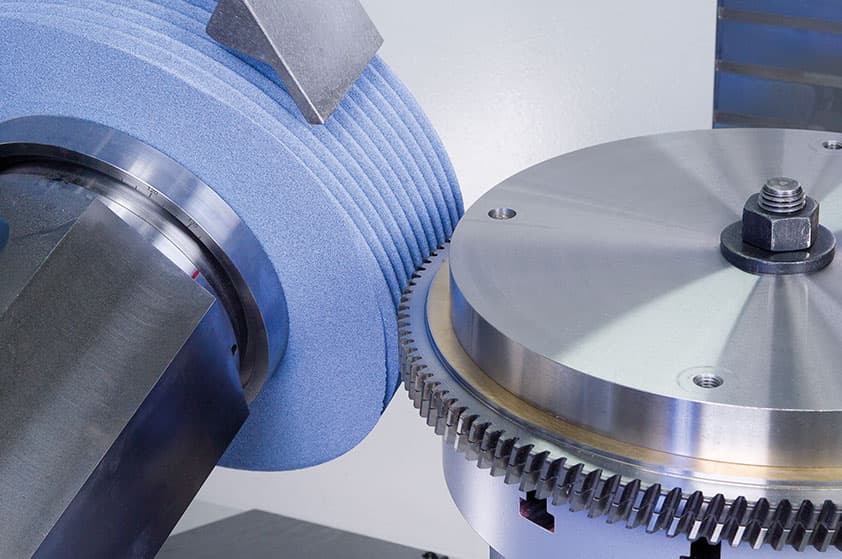
- Thermal and distortion plan: material, heat treatment and finishing route should be reviewed together when final tooth geometry is important.
- Interfaces and evidence: include mating gears, spline or shaft fits, bearing locations, datums and the inspection records needed for acceptance.
PairGears presents custom EV gears and shafts as a product area. The EV gears and shafts page is a useful starting point for a drawing-based project discussion.
Example: turn a broad request into an inspectable requirement
A useful request for an EV reduction gear identifies the vehicle or drive-unit context, ratio, tooth geometry, torque and speed ranges, NVH concern, material and heat-treatment requirements, mating interfaces and the required inspection evidence. That lets PairGears assess the requested route conservatively instead of promising performance from a generic EV label.