What factors most affect the price of precision gears—material, heat treatment, or accuracy grade?
- Share
- Issue Time
- Jul 28,2026
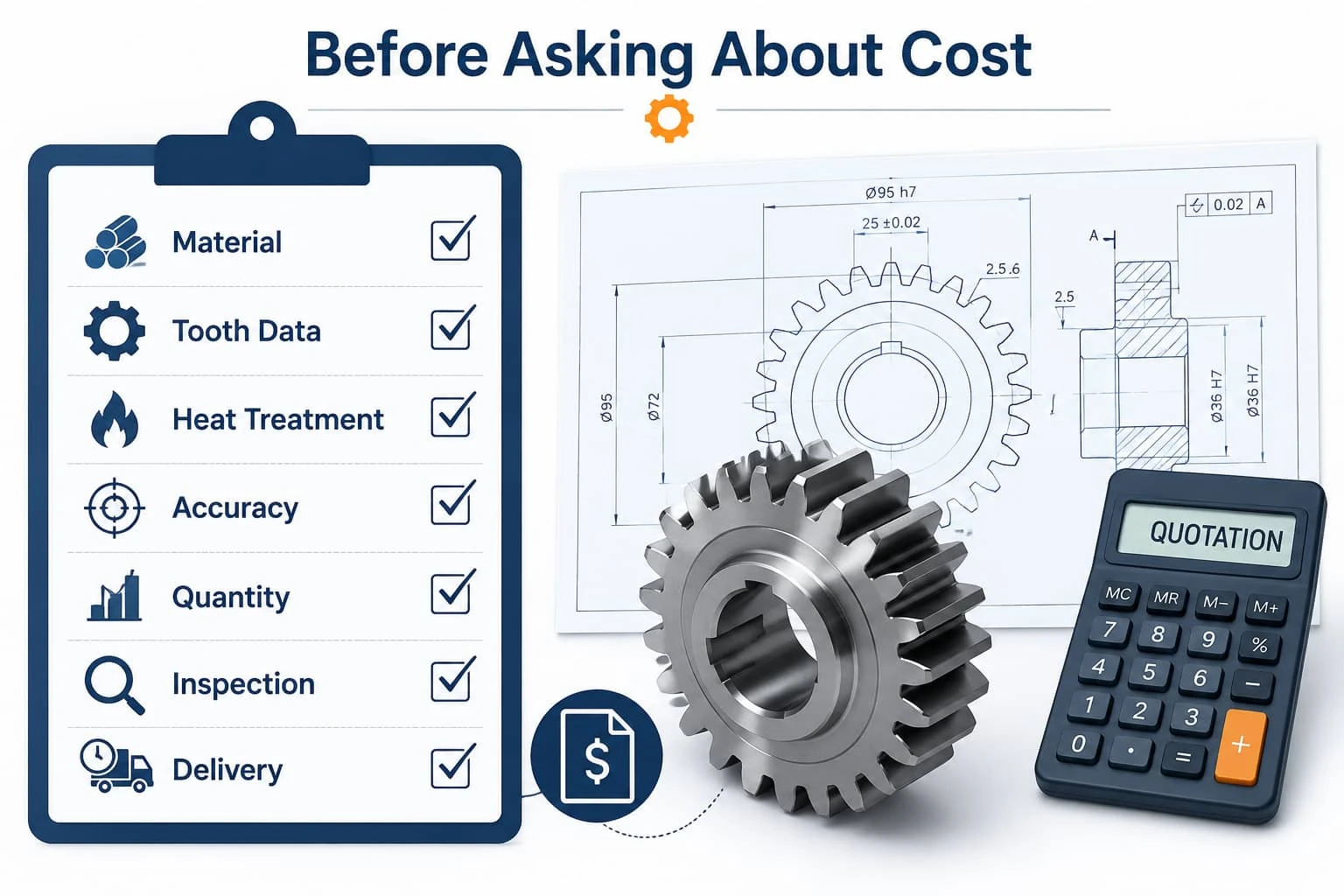
Material, heat treatment and accuracy are only the starting point
The biggest cost driver depends on the design and use case. Material affects stock and machinability; geometry affects setup and cutting time; heat treatment adds processing and distortion-control work; accuracy grade increases finishing and inspection requirements. Quantity, packaging and delivery scope then change the unit-price economics.
PairGears explains the main custom precision gear cost factors and why a complete RFQ improves quote stability.
Material and blank
Steel grade, blank size, availability and machinability affect material usage, preparation and cycle time. A special alloy may also require a less common process route.
Heat treatment
Carburizing, hardening, tempering or other treatment adds outside processing, testing and distortion-control requirements. The target case depth and hardness matter.
Accuracy and inspection
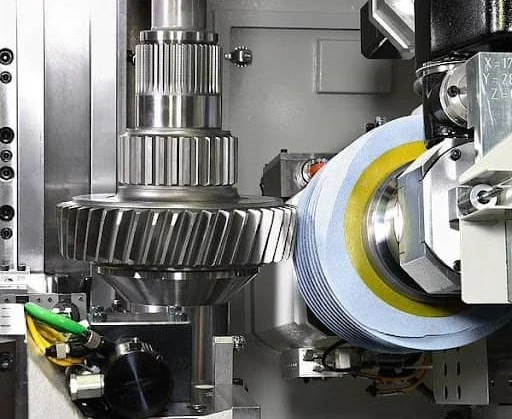
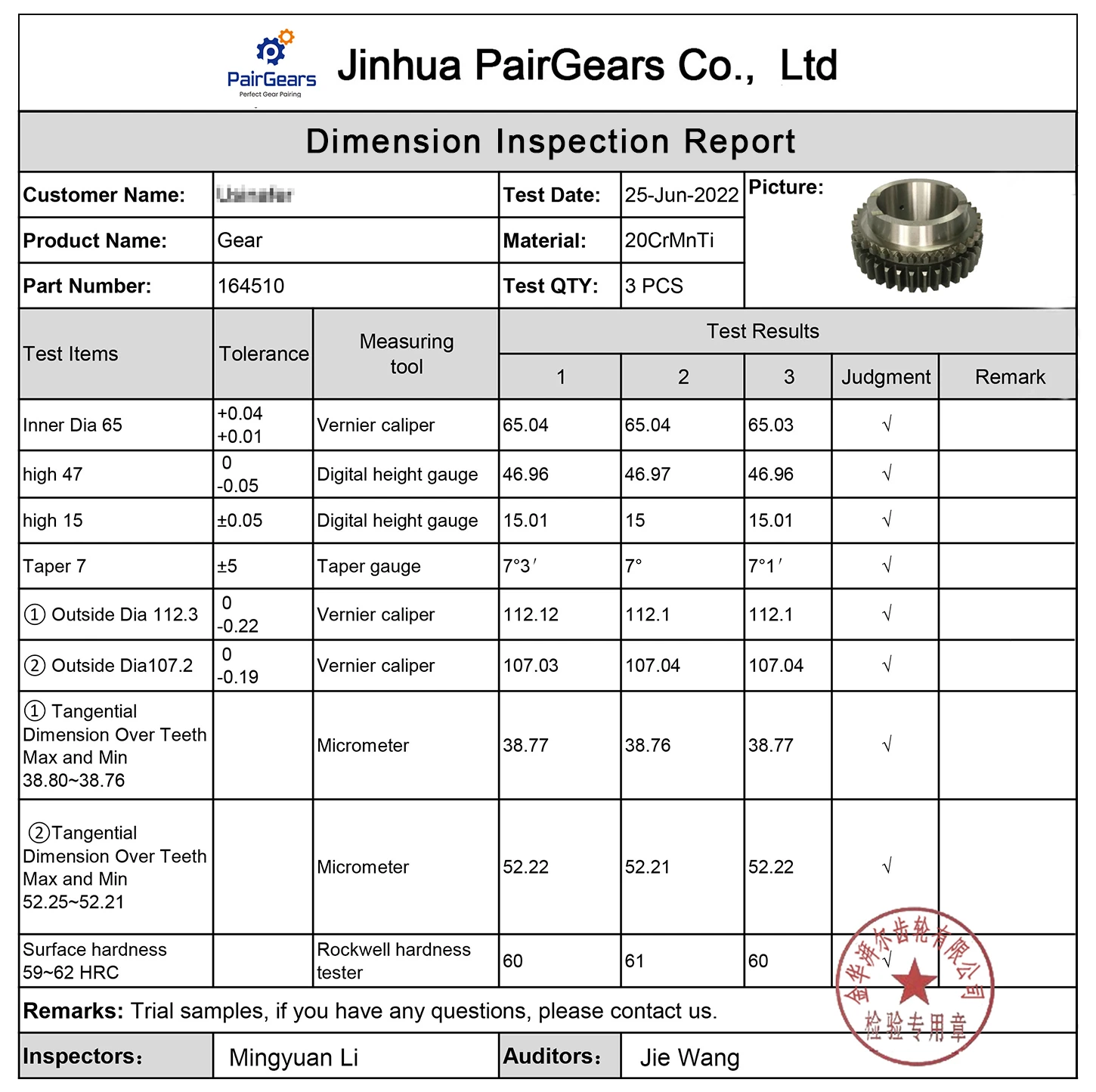
Tighter profile, lead, runout, backlash or surface-finish limits may require grinding, more stable tooling and a deeper inspection pack.
Commercial variables that can move the unit price
- Prototype, small batch or repeat-production quantity
- Drawing completeness and reverse-engineering effort
- Tooling, fixtures and special setup requirements
- Inspection scope, sampling and report format
- Export packing, Incoterms and delivery urgency
Use the custom gear RFQ information guide to make these variables visible before comparison.
How to get a more comparable quote
Send the drawing or sample, application, quantity by phase, material, heat-treatment target, accuracy grade, inspection requirements, packing needs and destination. Ask suppliers to separate one-time tooling from recurring unit cost.
See PairGears quality-control capabilitiesCompare gear accuracy and cost trade-offsRequest a cost-driver breakdown