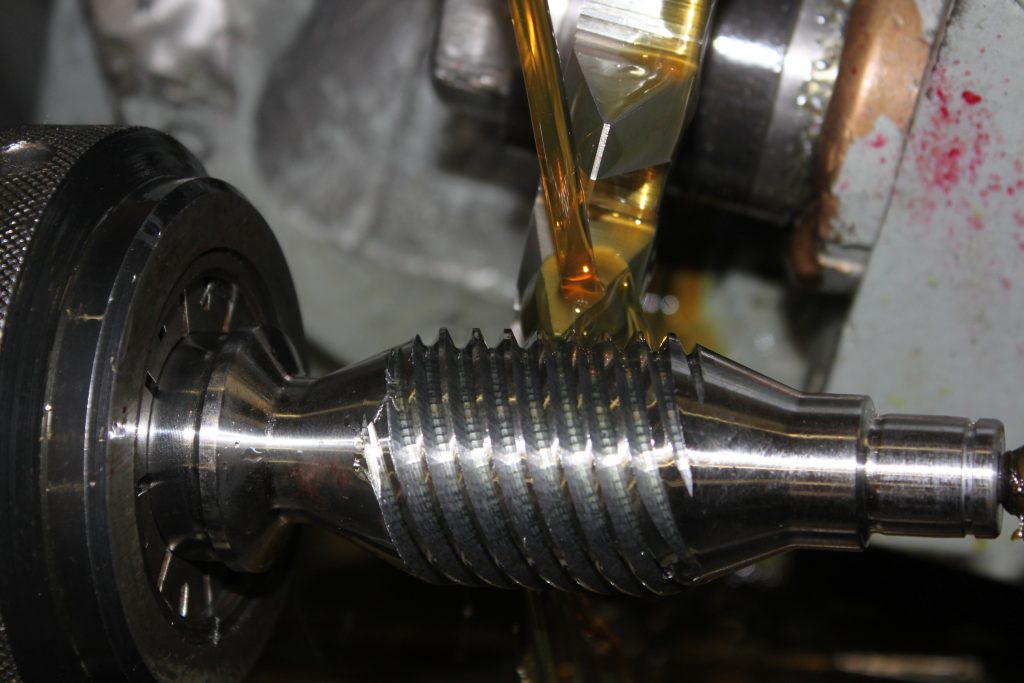
Which gear types can PairGears manufacture?
- Share
- Issue Time
- Nov 23,2026
Which gear types can PairGears manufacture?
PairGears’ published custom range includes spur, helical, internal and other cylindrical gears; straight, spiral, hypoid, Zerol and miter bevel gears; worm shafts, worm wheels and matched worm sets; plus gear shafts, racks, sprockets, differentials, crown-wheel-and-pinion sets and synchronizers. Availability for a specific design still depends on the drawing, size, material, heat treatment, accuracy, quantity and inspection plan.
Cylindrical gears cover parallel-axis and internal meshes
PairGears publishes custom spur, helical and internal gear capability, including external and internal tooth forms, gear shafts, racks and application-specific cylindrical designs. The exact route may use hobbing, shaping, skiving, shaving, grinding or another process according to the drawing, material condition, heat treatment and required accuracy.
The PairGears customization FAQ lists the broader custom product range. A type name alone is not enough for a quotation: provide tooth data, shaft layout, interfaces, duty and inspection requirements.

Bevel families cover intersecting and offset shaft layouts
PairGears publishes straight bevel, spiral bevel, hypoid, Zerol and miter bevel gear options. Selection depends on the shaft angle and offset, ratio, load, speed, noise target, mounting distance, contact pattern and the manufacturing definition for the matched pair.
Bevel availability is confirmed from the drawing, 3D model, sample or complete technical requirements. The manufacturing and inspection plan may include forging, cutting, grinding, lapping, runout checks, hardness verification and tooth-contact inspection as required by the project.
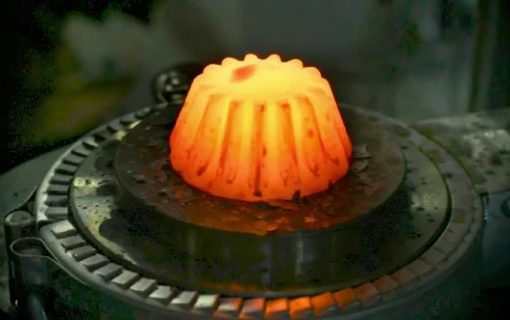
Worm sets and related transmission parts need separate confirmation
Published worm capability includes cylindrical and specified ZA, ZN, ZI, ZK or double-enveloping forms, plus worm shafts, worm wheels and matched sets. Ratio, center distance, starts, lead angle, materials, lubrication and contact requirements must be reviewed together; an unmatched worm and wheel should not be treated as interchangeable stock parts.
PairGears also lists related transmission components such as shafts, sprockets, differential parts, crown-wheel-and-pinion sets and synchronizers. A sprocket drives a chain and is not a meshing gear. For every family, final manufacturability depends on size, quantity, tooling, tolerances, heat treatment, finishing and the inspection evidence required.