How did people machine gear teeth before CNC machines?
- Share
- Issue Time
- Oct 10,2026
How did people machine gear teeth before CNC machines?
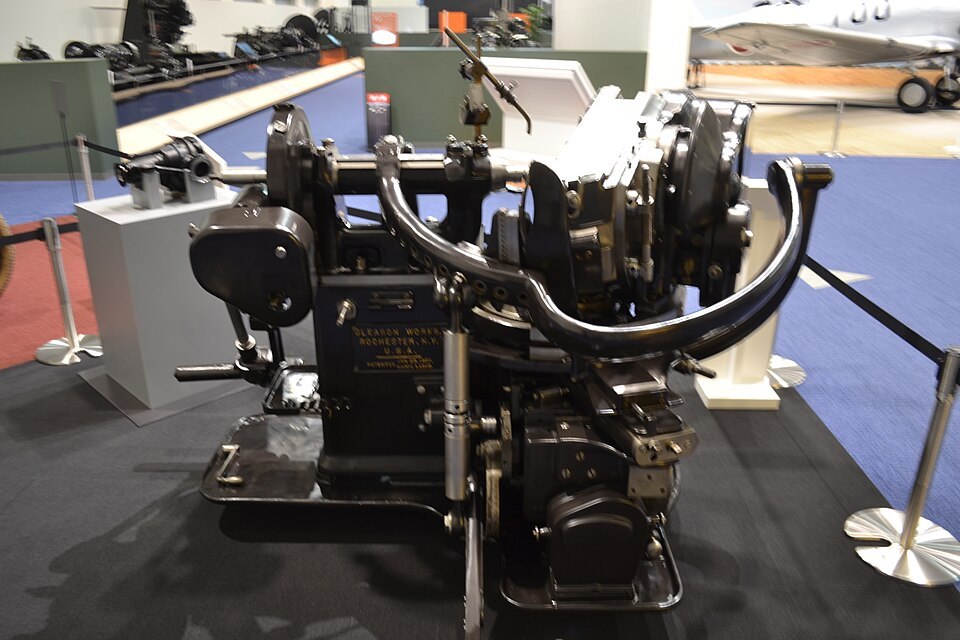
Before CNC machines, gear teeth were made with hand tools and mechanically controlled cutting machines. Clockmakers used wheel-cutting engines to space cuts accurately around a blank, while later industrial machines mechanized gear production. Methods varied with the period, material and gear size. Cutting evenly spaced teeth required a way to divide the wheel as well as a suitable cutter.
Start with handwork and clockmaking
Winterthur’s Dominy collection describes wheel-cutting engines as a replacement for making individual tooth cuts manually with a file. Its eighteenth-century example used a hand crank to cut brass clock-wheel blanks. This is a documented clockmaking method, not evidence that every old gear was produced the same way.
Small clock wheels and large industrial gears presented different manufacturing problems. A surviving wheel’s material, tooth shape and workshop records matter more than the broad label “antique gear.”
Divide the blank before repeating the cut
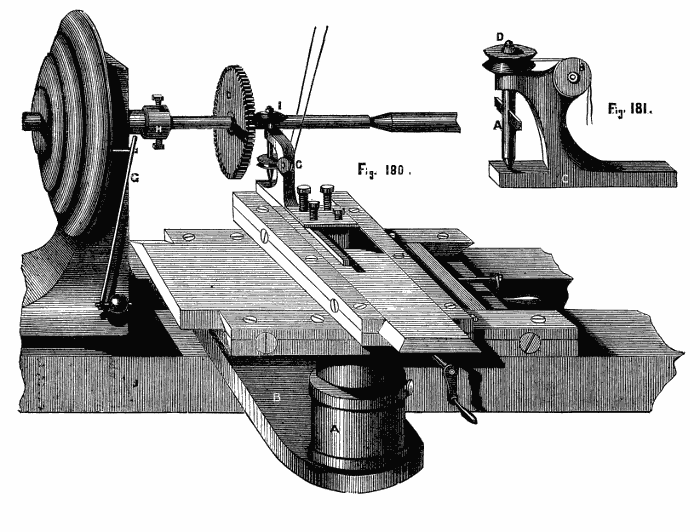
Indexing means rotating a blank by controlled increments so that tooth spaces occur at regular intervals. For 60 equally spaced teeth, the nominal angular step is 360° / 60 = 6°. A dividing mechanism helps reproduce that spacing; the cutter and setup determine the tooth-space shape.
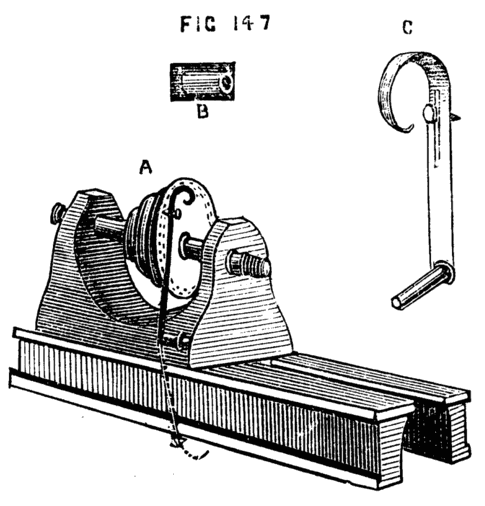
A lathe can prepare a round blank, but turning its outside diameter alone does not create gear teeth. Tooth cutting requires the additional cutting and dividing operation. The historical illustration shows a division plate and index used to hold repeatable angular positions.
Distinguish mechanization from computer control
The Science Museum Group records a Whitworth gear-cutting machine made around 1854. Dedicated gear-cutting machinery therefore existed well before CNC. Mechanically controlled machines could coordinate cutting movements without a computer; “before CNC” does not mean “made entirely by hand.”
For present-day process context, see the PairGears gear-hobbing overview. When reproducing an old gear, measure the actual geometry and mating part rather than assuming a modern standard tooth form from its age or appearance.