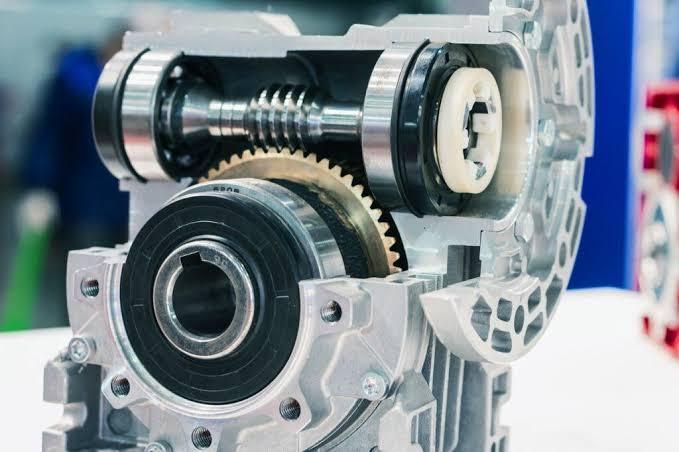
How should I choose gears for food-processing machinery?
- Share
- Issue Time
- Oct 8,2026
How should I choose gears for food-processing machinery?
Choose food-machinery gears by combining transmission requirements with the actual exposure to food, cleaning chemicals and water. An enclosed drive outside the food zone has different needs from an exposed component near product. Specify materials, seals, lubricant and cleaning conditions together. Stainless steel or a food-grade lubricant alone does not establish that the complete gear assembly is suitable for the application.
Define the food and cleaning exposure
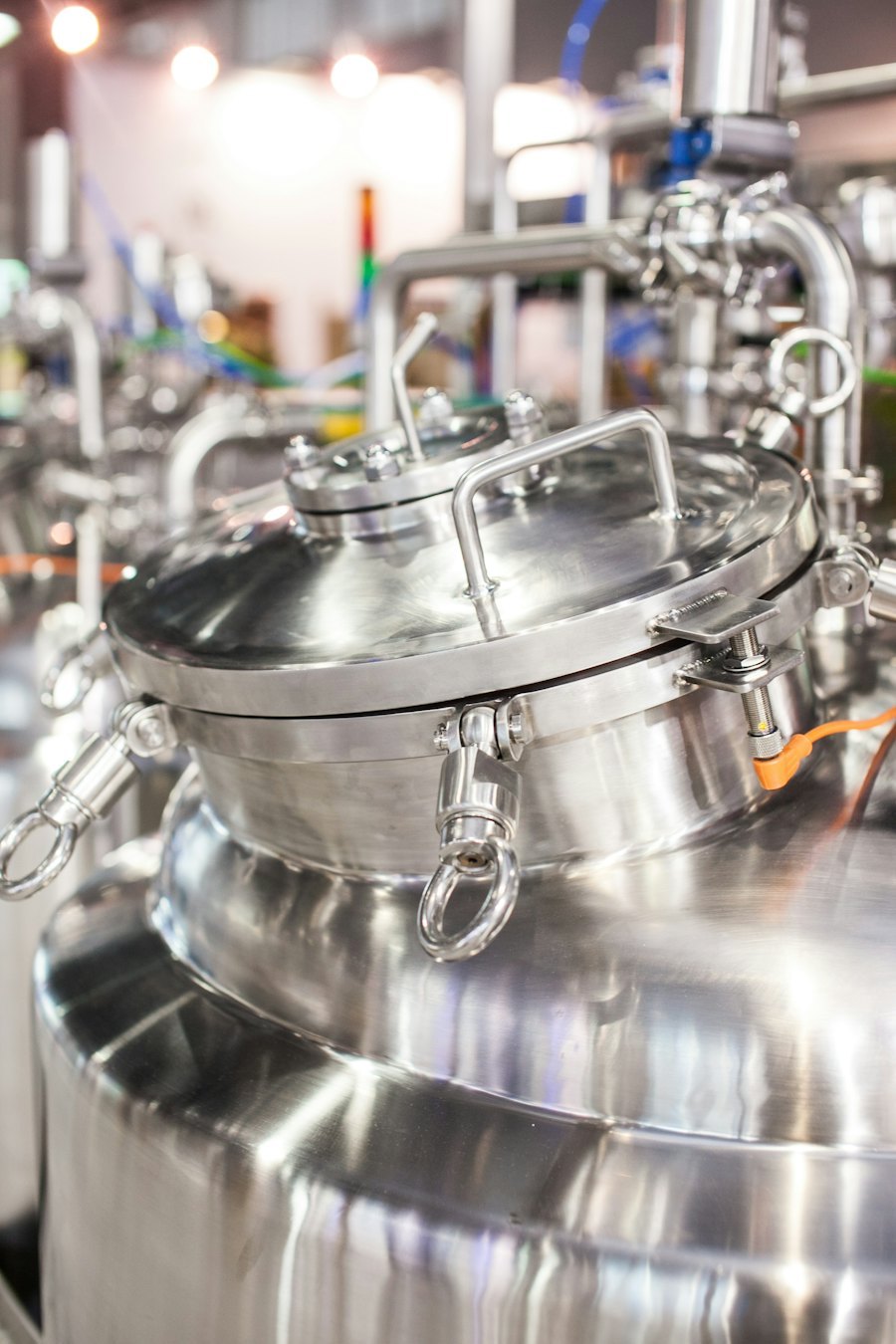
Identify whether the component contacts food, could drip onto it, or remains inside an isolated transmission. Specify cleaning temperature, pressure, chemicals and frequency. These conditions affect corrosion resistance, seals, drainage and the ability to clean the surrounding assembly.
Stainless steel can be useful, but the grade and finish must suit the exposure. An unspecified plastic is not automatically suitable for food contact either. Request documentation for the exact material and intended use rather than relying on a generic material name.
Match the transmission to the duty and location
Calculate ratio, torque, speed, starts and shock loads before selecting tooth geometry and size. Consider how bearings, seals and the housing keep contamination out and lubricant in. An enclosed drive may use a different internal gear material from an exposed component, provided the complete arrangement meets the application requirements.
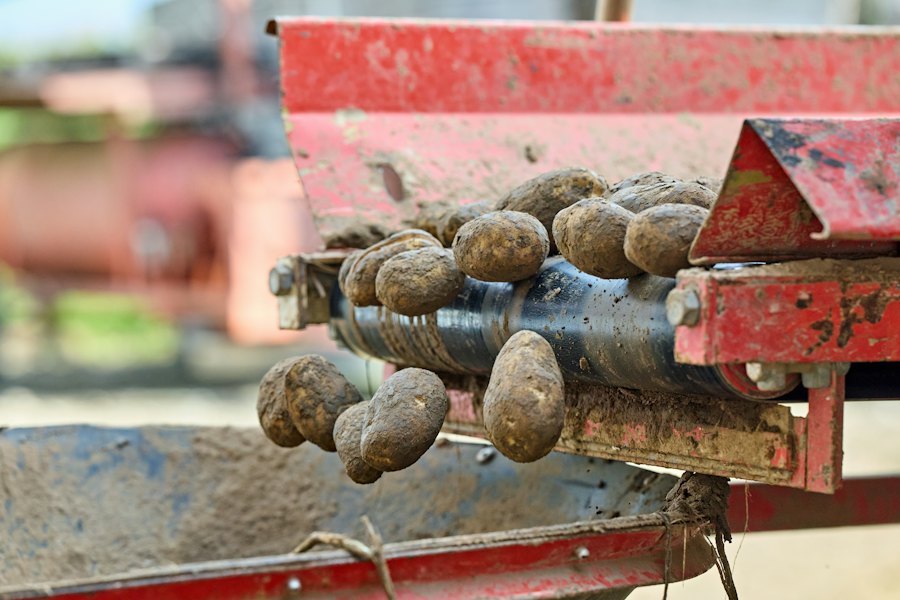
For example, a dry packaging drive and a wet produce-handling line need different environmental assessments even at the same torque. See the PairGears packaging-machinery worm gear sets for transmission context; food-contact and washdown suitability still require a separate specification.
Check lubricant and assembly documentation
Where incidental food contact is possible, check the specified lubricant and its applicable registration. NSF H1 describes lubricants intended for incidental food contact; it does not authorize continuous direct contact or certify the whole gearbox. Confirm the exact product, operating limits and compatibility with seals and gear materials.
Give the supplier the duty data, exposure location, cleaning specification and required documentation together. Review access for inspection and cleaning, sealing and maintenance before accepting the assembly. A suitable lubricant cannot compensate for a leaking seal or a design that traps residue.