What is diametral pitch (DP) in a gear?
- Share
- Issue Time
- Sep 29,2026
What is diametral pitch (DP) in a gear?
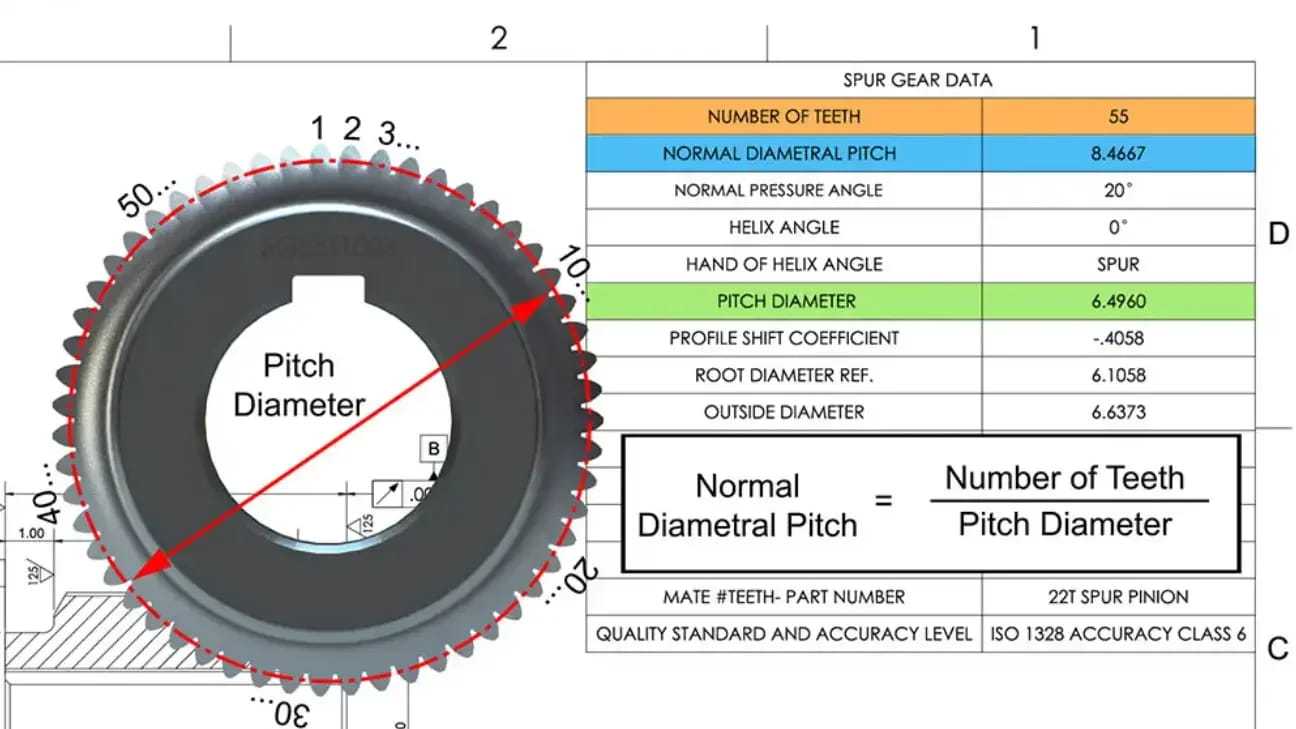
Diametral pitch, or DP, expresses gear tooth size as the number of teeth divided by the reference pitch diameter in inches. For a spur gear, DP = z / d. Higher DP means finer teeth. It is different from outside diameter and circular pitch. Convert to metric module using m = 25.4 / DP, with m in millimetres.
Use the reference diameter, not the circumference
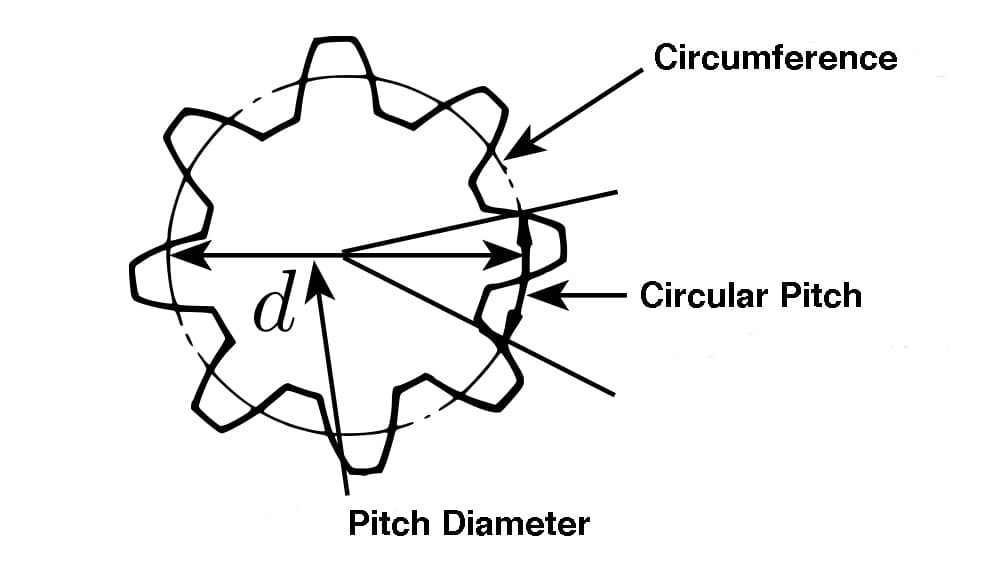
For a 30-tooth spur gear with a 3-inch reference pitch diameter, DP = 30 / 3 = 10. Its circular pitch is pi / 10, approximately 0.3142 inch. DP counts teeth per inch of diameter; circular pitch measures the arc spacing between corresponding points of adjacent teeth.
The pitch circle is a geometric reference inside the tooth tips, so a caliper measurement across the outside is not the diameter used in the DP definition.
Convert the units without rounding away the tooth size
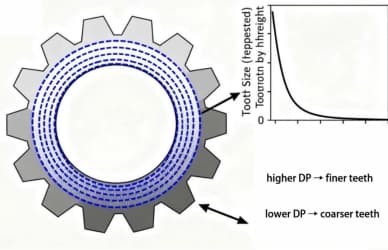
A 10 DP spur gear corresponds to module 2.54 mm. Replacing it with module 2.5 changes the tooth spacing and is not an exact conversion. Higher DP and higher module also move in opposite directions: increasing DP makes teeth finer, while increasing module makes them coarser.
For helical gears, state whether the pitch is normal or transverse and convert within the same reference plane. A bare DP number can leave that distinction unresolved.
Treat outside-diameter estimates as a screening check
For a standard, unshifted, full-depth external spur gear, DP = (z + 2) / outside diameter in inches. Profile shift, nonstandard addendum, tip modification or wear can invalidate that shortcut. Use drawing data or a suitable gear measurement method before releasing a replacement.
Confirm pressure angle and compatible tooth geometry as well as DP. The PairGears DP guide provides further measurement context.