Where are spur gears commonly used?
- Share
- Issue Time
- Sep 28,2026
Where are spur gears commonly used?
Spur gears are commonly used in parallel-shaft speed reducers, machine-tool gear trains, feed drives and some gear pumps. They also appear in suitable machinery and vehicle subsystems where straightforward construction and efficient power transfer are useful. The application must tolerate the expected mesh noise and dynamic loads. An industry label alone does not establish that every gearbox in that industry uses spur gears.
Look for a suitable parallel-shaft duty
- Speed reducers: a spur pair can change speed and torque between parallel shafts.
- Machine-tool and feed trains: spur gears can provide defined ratios in a mechanical drive.
- Some external gear pumps: straight-tooth gears can form part of the pumping elements, with dedicated hydraulic clearances and design.
These are application categories, not permission to interchange power-transmission gears and pump gears.
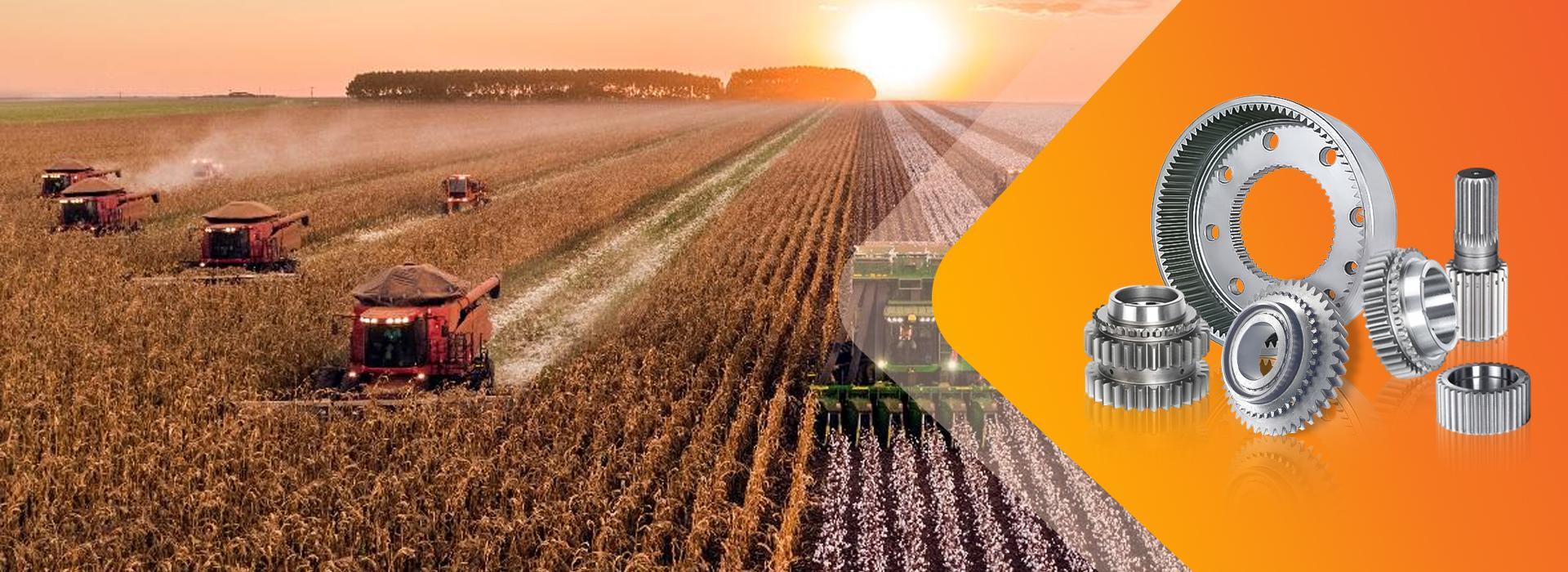
Check why the application uses straight teeth
Spur gears have teeth parallel to their axis and do not create the helix-related axial thrust of a helical pair. They still impose tangential and radial forces that shafts and bearings must support. Straight teeth do not eliminate the need for alignment, suitable lubrication or guarding.
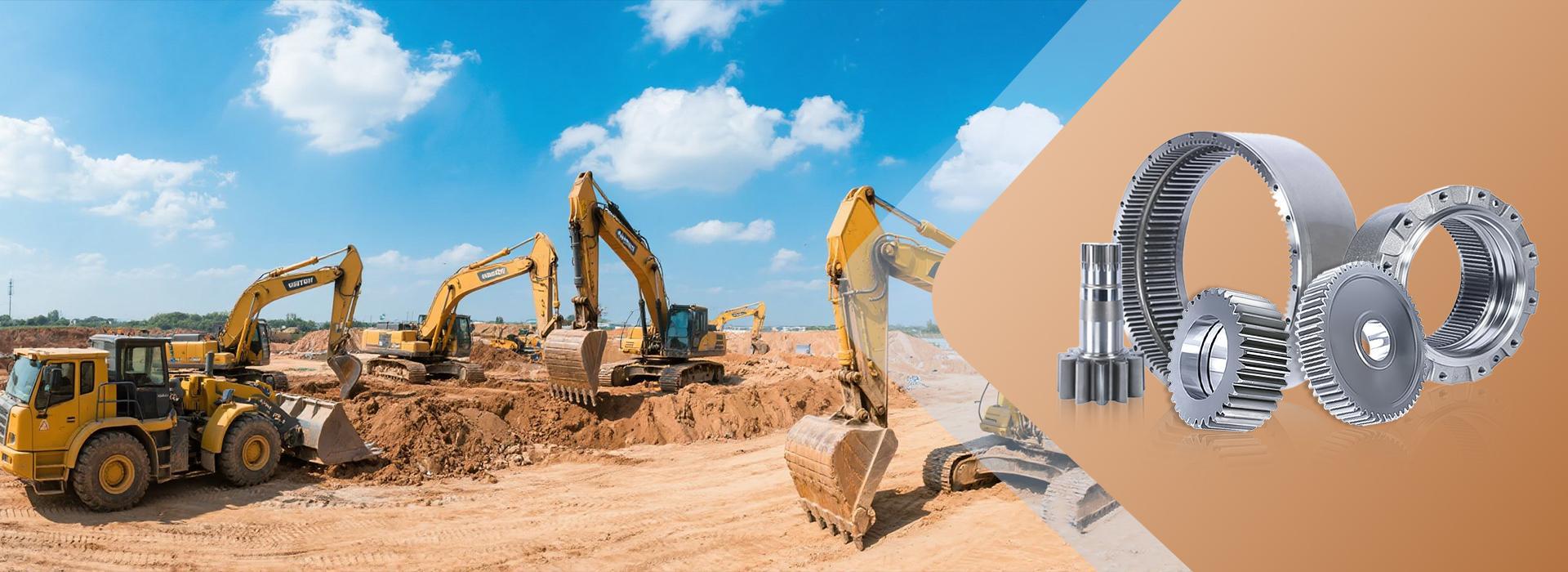
The PairGears spur-gear guide explains the basic form and application context. A construction machine may contain several gear types in different subsystems.
Use the operating requirements to confirm suitability
For example, a compact feed drive with parallel shafts may suit a spur stage when its load, speed and noise limits are met. A quiet, fast-running stage may lead to a comparison with helical gearing, but a spur gear is not automatically excluded by speed alone.
Specify shaft layout, ratio, torque, speed, duty cycle, space, lubrication and noise limits. Then confirm module or DP, tooth counts, pressure angle, face width, material and mounting requirements for the complete pair.