Which gears are suitable for high-speed rotation?
- Share
- Issue Time
- Sep 27,2026
Which gears are suitable for high-speed rotation?
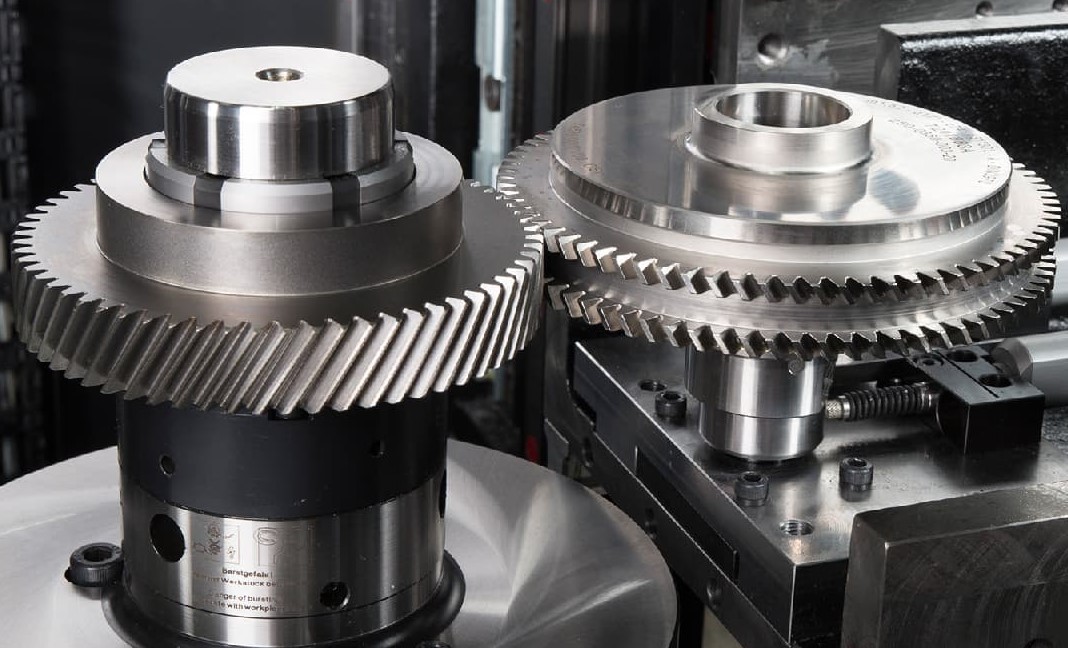
Helical gears are often chosen for high-speed parallel-shaft drives because tooth contact develops progressively. Precision spur gears can also operate at high speed when their design and noise limits allow it. Suitability depends on pitch-line velocity, load, tooth accuracy, balance, bearings and lubrication, not the gear name or rpm alone. There is no universal safe speed for every gear of one type.
Use pitch-line velocity as well as rpm
Pitch-line velocity is v = pi × d × n / 60 when d is the operating pitch diameter in metres and n is rpm. At 6,000 rpm, a 50 mm pitch diameter gives about 15.7 m/s; a 200 mm diameter gives about 62.8 m/s. The same rpm therefore describes very different tooth-surface speeds.
These are calculation examples, not approved speed ratings. Check the actual geometry and the applicable design limits.
Select the gear and its support system together
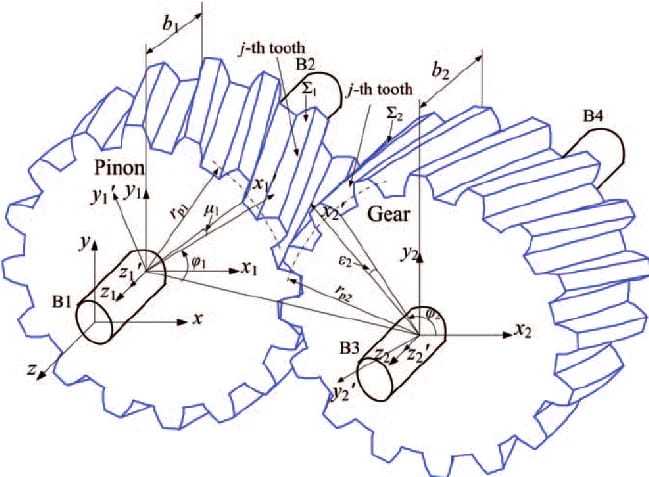
Helical teeth can reduce abrupt engagement, but they introduce axial thrust that the bearing arrangement must support. Spur gears avoid helix-generated axial force; their suitability still depends on dynamic loading, accuracy and acceptable noise.
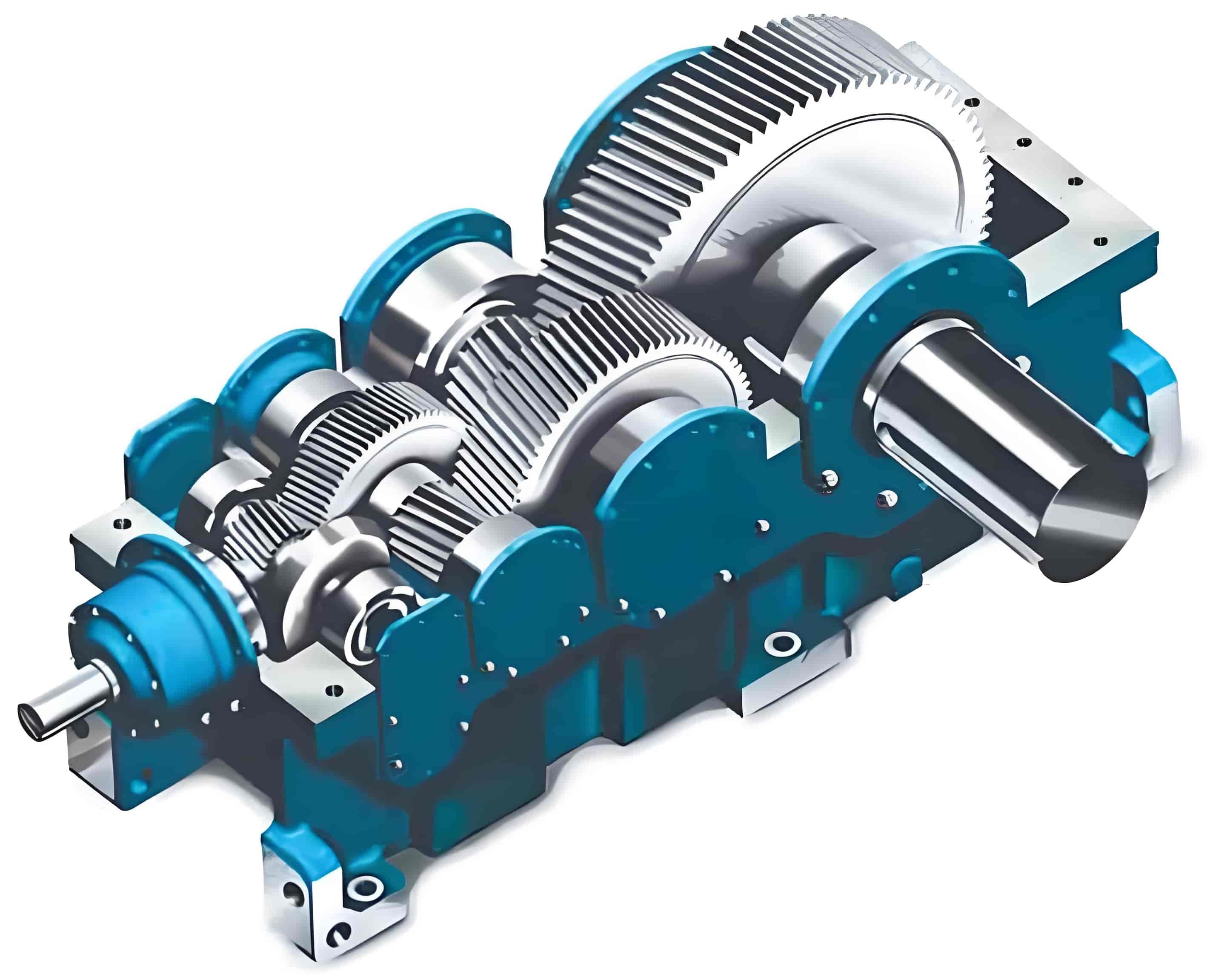
The PairGears helical-drive guide covers the relationship between gearing, shafts, bearings and housing stiffness. A gear change may also require a bearing or housing change.
Validate the intended operating envelope
- Specify continuous speed, overspeed, torque, starts and duty cycle.
- Check tooth geometry, assembled runout, rotating balance and shaft-system vibration.
- Define lubricant delivery, temperature control and losses at speed.
- Confirm a test plan for temperature, vibration and noise under the intended load.
Do not turn a catalogue speed assumption into a blanket limit for another gear or installation.