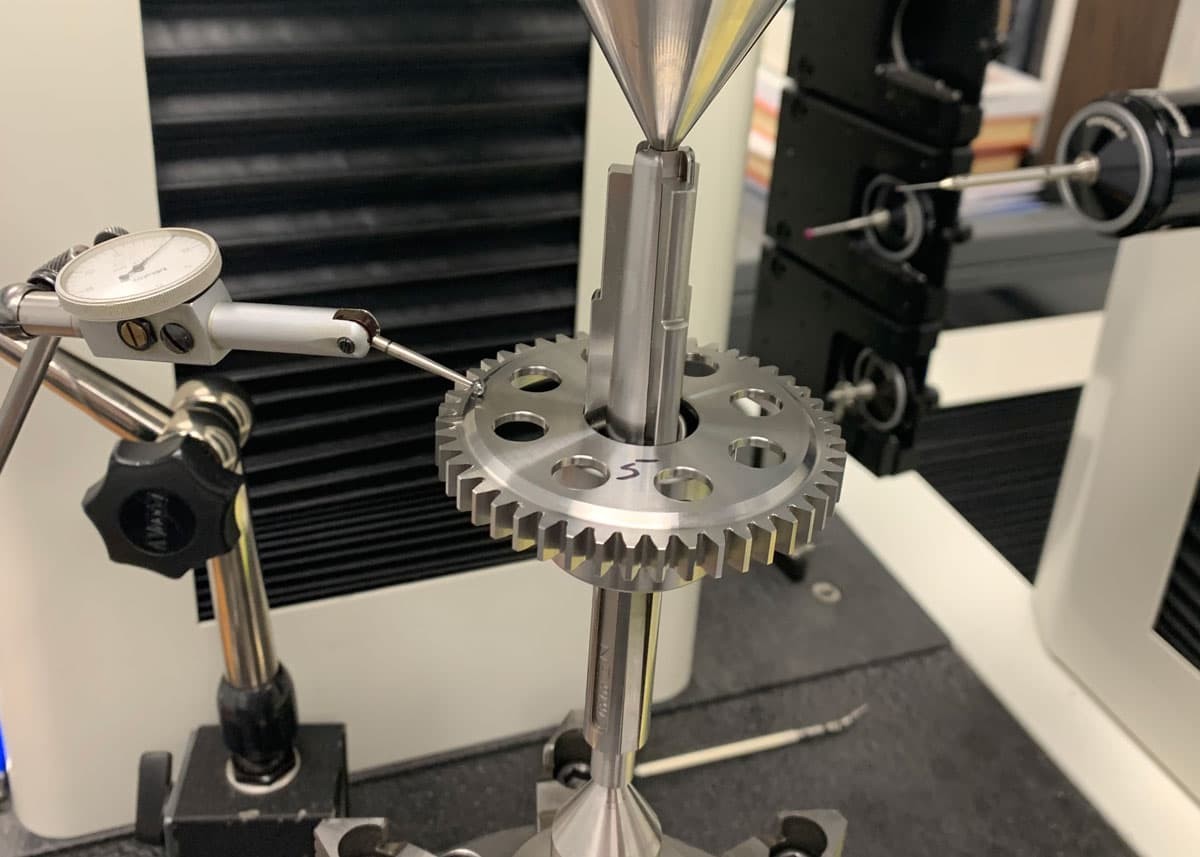
What methods can fasten a gear to a shaft?
- Share
- Issue Time
- Sep 27,2026
What methods can fasten a gear to a shaft?
Common gear-to-shaft connections include keys, splines, interference fits and friction-locking assemblies. Pins or set screws can suit some lighter-duty arrangements, but their capacity must be checked. Select the connection for torque, reversals, shaft and hub geometry, alignment and service access. Torque transmission and axial retention are separate requirements; a key alone does not necessarily locate the gear axially.
Match the torque path to the duty
- Keys and splines: transmit torque through contacting surfaces; check contact pressure, strength, fit and fatigue.
- Interference or friction locks: transmit torque through interface friction; capacity depends on pressure, diameter, engagement length and assembly conditions.
- Pins and set screws: require a specific load check rather than an assumed universal torque rating.
Specify axial location separately
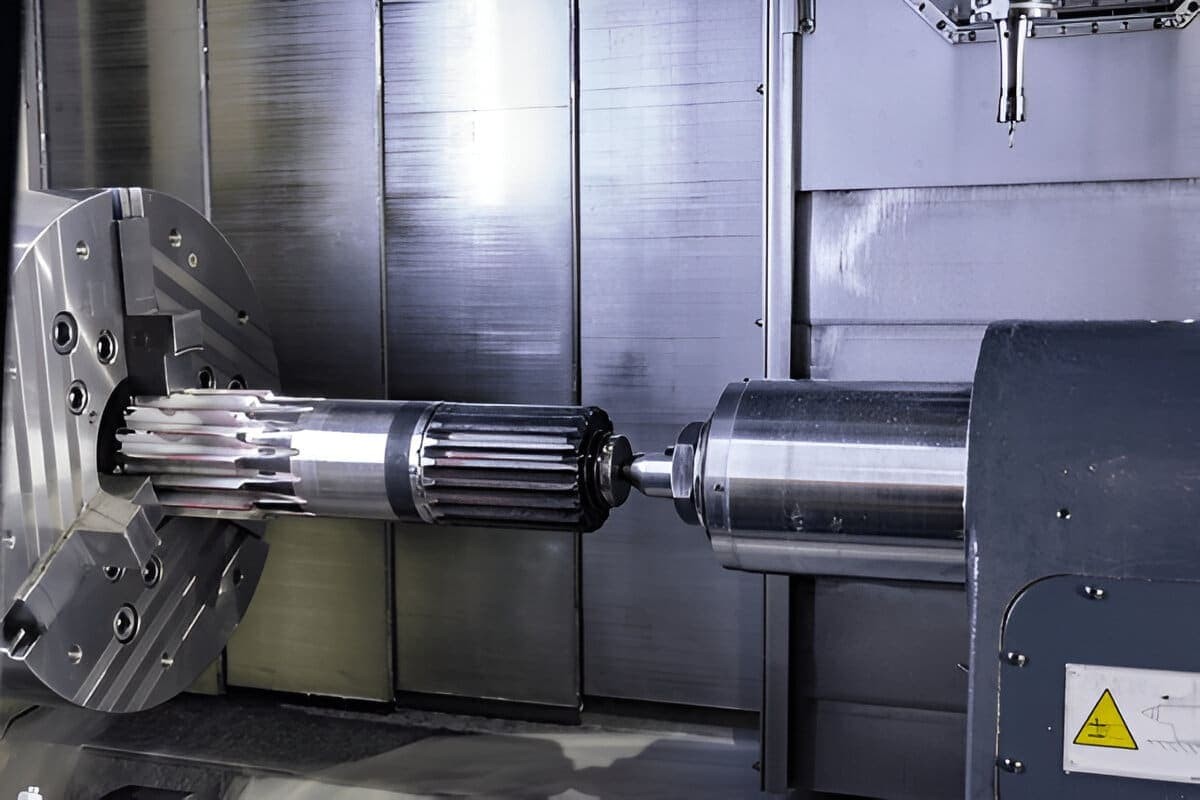
A straight sliding spline may transfer torque while permitting axial motion. If the gear must stay in one position, define a suitable shoulder, nut, retaining ring or other rated locating arrangement. Check thrust loads as well as clearance to adjacent parts.
The PairGears spline-shaft guide explains the interface data needed for a mating spline. Do not substitute a spline designation for an axial-retention specification.
Review assembly and removal before release
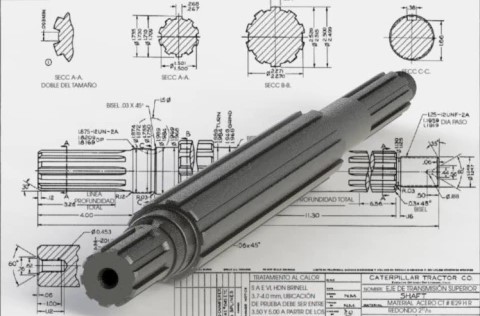
For example, a reversing drive that must be dismantled regularly needs both a fatigue-capable torque connection and a practical removal method. An interference fit may need controlled pressing or heating; a locking assembly needs its specified screw-tightening sequence and surface condition.
Provide peak and continuous torque, reversals, axial force, shaft and bore tolerances, hub dimensions, materials, operating temperature and acceptable assembled runout. Verify the mounted gear, not just the loose bore.