What is the shaft angle in a gear pair?
- Share
- Issue Time
- Sep 23,2026
What is the shaft angle in a gear pair?
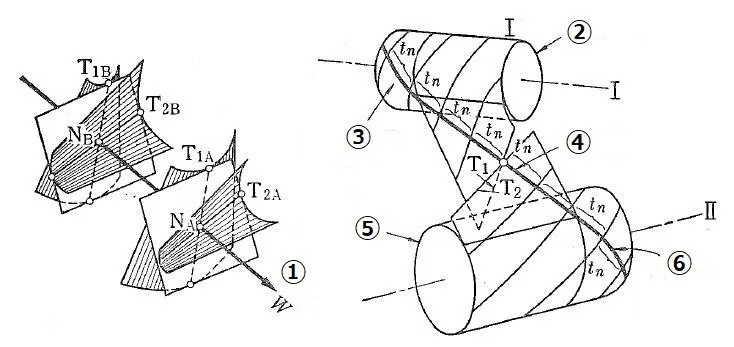
The shaft angle is the angle between the rotational axes of two mating gears, commonly written as Sigma. It describes the shaft layout, not the inclination of the teeth. Bevel gears have intersecting axes, often at 90 degrees; crossed-axis drives also require the offset or separation between their axes to define the arrangement completely.
Read the axes before the tooth angles
A shaft angle belongs to the gear pair and housing layout. A pressure angle describes tooth contact geometry; a helix or spiral angle describes tooth orientation. These values serve different purposes and cannot replace each other on a drawing.
The PairGears gear-and-pinion guide shows why the shaft arrangement and matching geometry must be considered together.
A right angle does not specify a complete pair
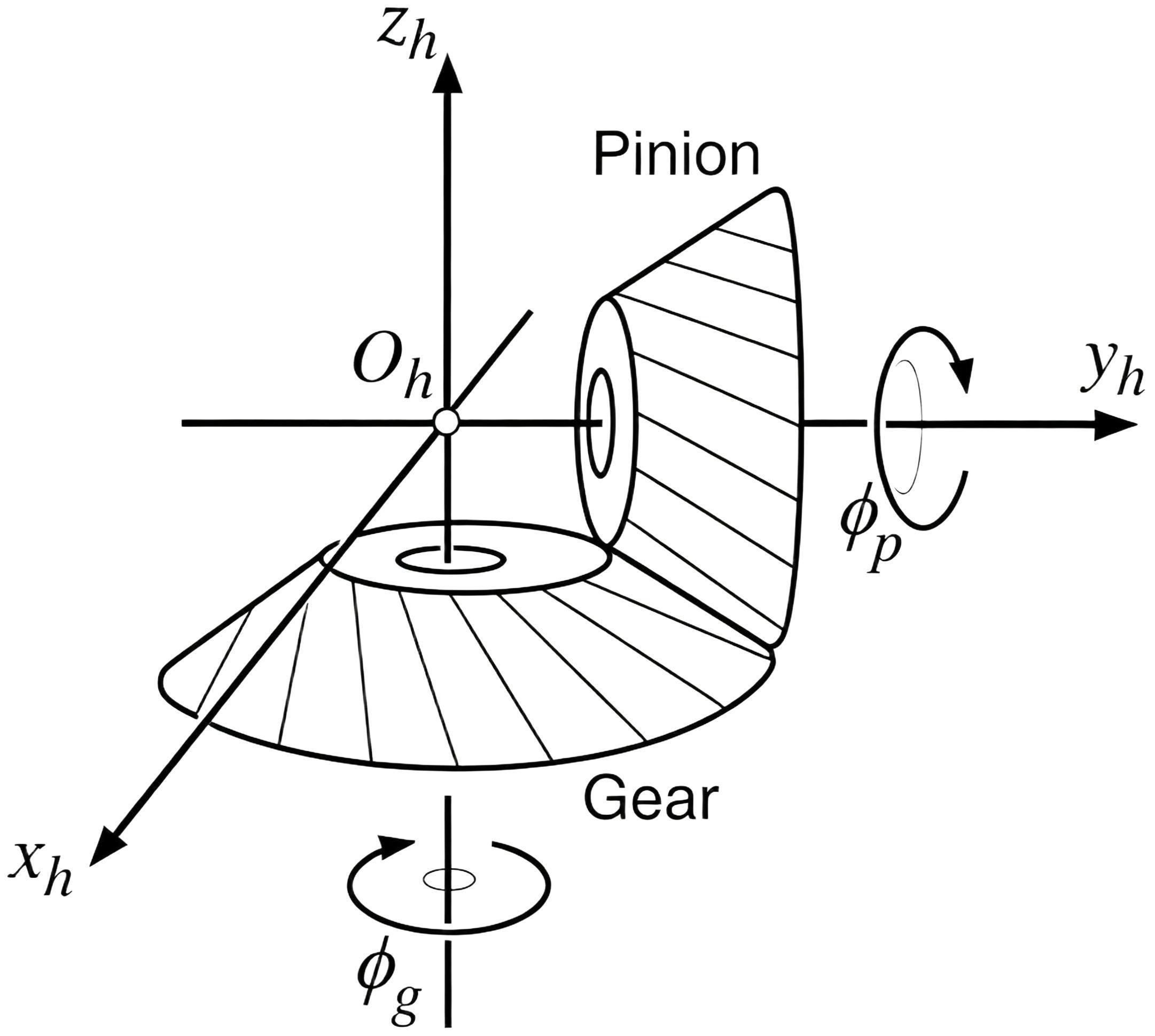
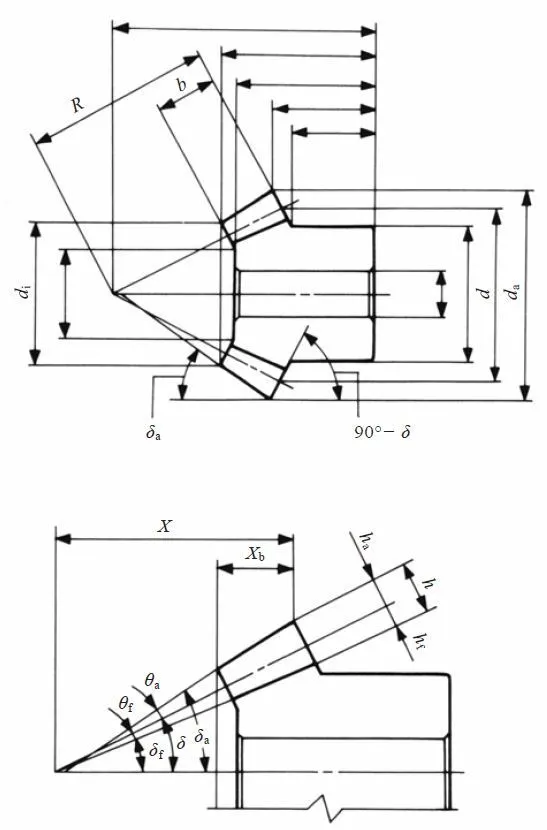
For intersecting bevel gears, the two pitch-cone angles add to the shaft angle. A 90-degree shaft arrangement does not mean each cone angle is 45 degrees: that equal split applies to an equal-ratio pair. The required ratio must therefore accompany the shaft angle.
For example, a right-angle speed reducer needs both the 90-degree axis layout and the mating tooth counts or ratio. Mounting distances remain separate drawing dimensions.
Specify the complete shaft arrangement
Provide an assembly view showing the nominal shaft angle, whether the axes intersect, any offset, the ratio, and the mounting datums. Include the permitted alignment deviation and operating load where these are defined.
A worm or crossed-helical layout may also use a right-angle arrangement, but its axes do not intersect. Its mating geometry cannot be selected from the angle alone.