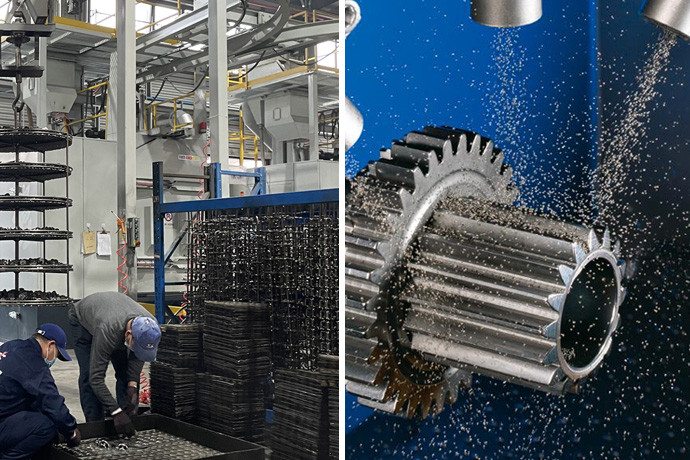
What is the process of forging gears?
- Share
- Issue Time
- Sep 21,2026
What is the process of forging gears?
Gear forging shapes solid metal under compressive force to produce a blank or a near-net-shape part. A typical hot-forged gear route starts with prepared stock, followed by heating, forming, trimming and controlled cooling. Machining then establishes the required datums and teeth, with heat treatment, finishing and inspection selected for the drawing. Forging alone does not establish final tooth accuracy.
How a forged blank is made
- Prepare the stock: select the specified material and cut a suitable billet.
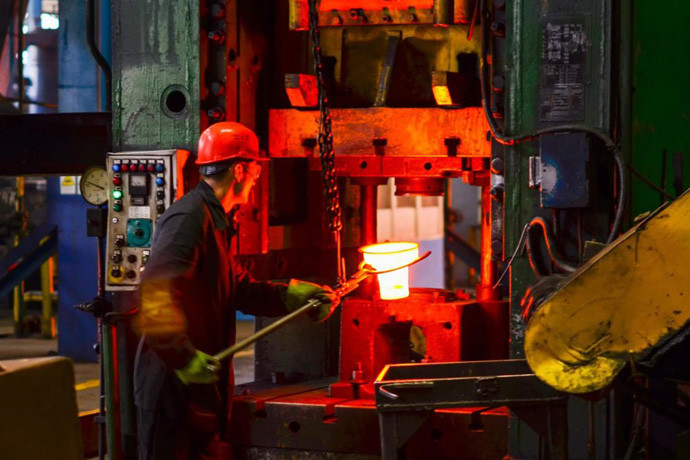
- Heat and form: for hot forging, heat to the material-specific process range and shape it with dies under a press or hammer.
- Trim and condition: remove flash where the process produces it, then cool and condition the blank as specified.
- Inspect the blank: check dimensions and any required material-quality criteria before machining.
Why does machining still follow?
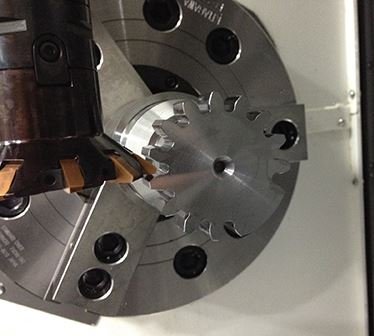
A forged blank can include a hub, rim or other features close to the required shape, but surfaces still need the allowance specified for machining. Turning establishes locating faces and bores; a suitable cutting process produces the teeth.
For example, a forged blank for a helical gear can be turned and hobbed before hardening, then finished where the drawing requires it. This is an illustrative route, not a fixed sequence for every gear.
What should be agreed before production?
Confirm material, blank geometry, machining allowance, thermal processing and inspection requirements. Specialized tooth-forging methods also exist, so specify whether the order concerns a forged blank or a finished gear.
PairGears describes forging blanks followed by machining on its gear manufacturing process page. Confirm the proposed route for the actual part rather than treating forging as a guarantee of strength or accuracy.