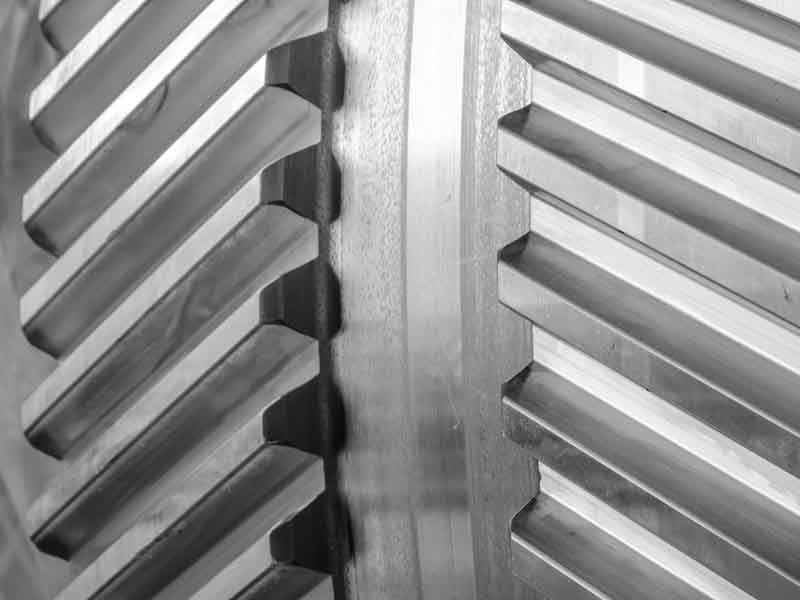
What is a pressure angle?
- Share
- Issue Time
- Sep 8,2026
Gear pressure angle: direct answer
A gear pressure angle defines the direction in which force is transmitted at the tooth contact. For an involute gear mesh, it is described by the line of action relative to the tangent of the reference circle at the pitch point. It is a core tooth-form specification: both mating parts must use compatible geometry, not merely the same module or diametral pitch.
Detailed explanation
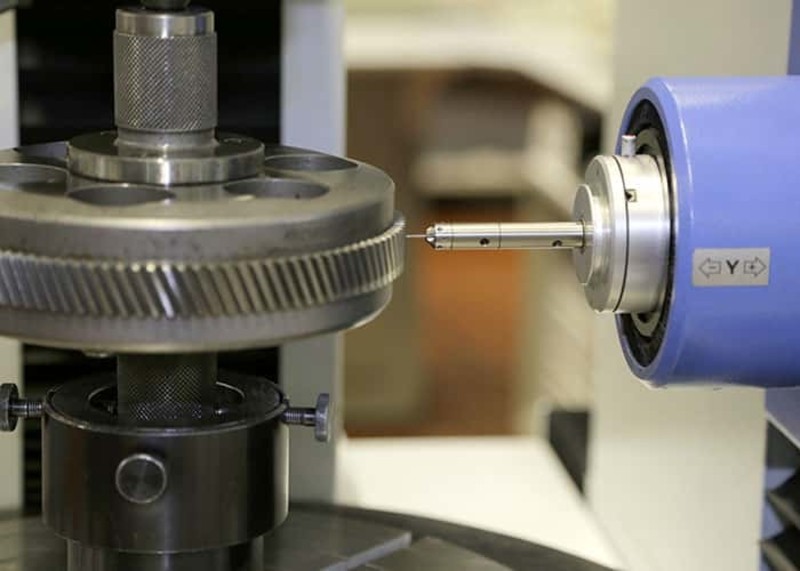
Pressure angle affects tooth shape, the direction of separating force and the geometry used to establish a correct mesh. Twenty degrees is common in many modern involute systems, while other values also exist; never infer a value from outside diameter, tooth count or a photograph. PairGears can review it with the tooth profile, module or DP, number of teeth, profile shift, helix data, center distance and the actual mating component.
For component context, see PairGears product categories. A drawing, mating-part details, duty conditions and an agreed inspection method are more useful than a label alone.
Example and decision data
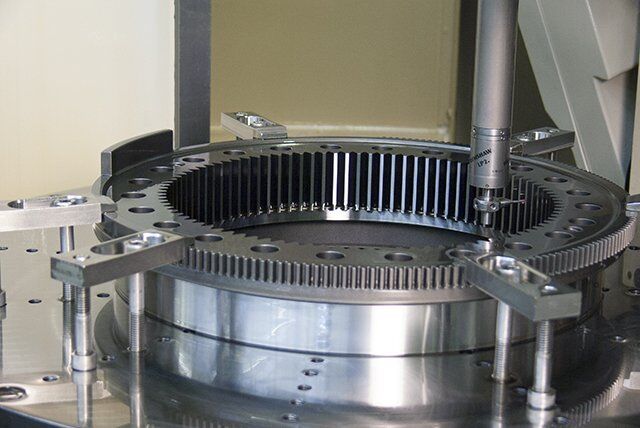
If a replacement spur gear has the same module and tooth count as its mate but a different pressure angle, the tooth profiles are not automatically compatible. Use the drawing, marking or measured tooth form to confirm the system before manufacture or assembly. For helical gears, also identify whether the stated value is normal or transverse, along with helix angle and hand.