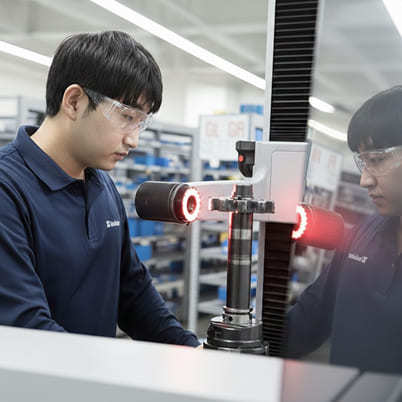
What is a precision gear?
- Share
- Issue Time
- Sep 8,2026
Precision gear: direct answer
A precision gear is a gear made and verified to specified geometry and functional variation so it meshes predictably in its intended assembly. “Precision” is not one universal grade, material or guarantee. The drawing, mating part, load, speed, noise target and agreed inspection method determine which profile, lead, pitch, runout, backlash and surface requirements actually matter.
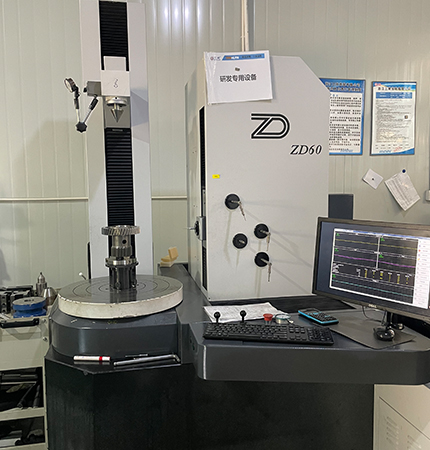
Detailed explanation
A precision requirement should be expressed through measurable features, tolerances and a reference standard or drawing—not through the word “precision” alone. A gear can be accurate in one feature yet unsuitable if its mating geometry, bore datum, heat-treatment movement, tooth contact or mounting condition is not defined. PairGears can use a drawing or structured data sheet to clarify those inputs before a manufacturing route is evaluated.
For component context, see PairGears product categories. A drawing, mating-part details, duty conditions and an agreed inspection method are more useful than a label alone.
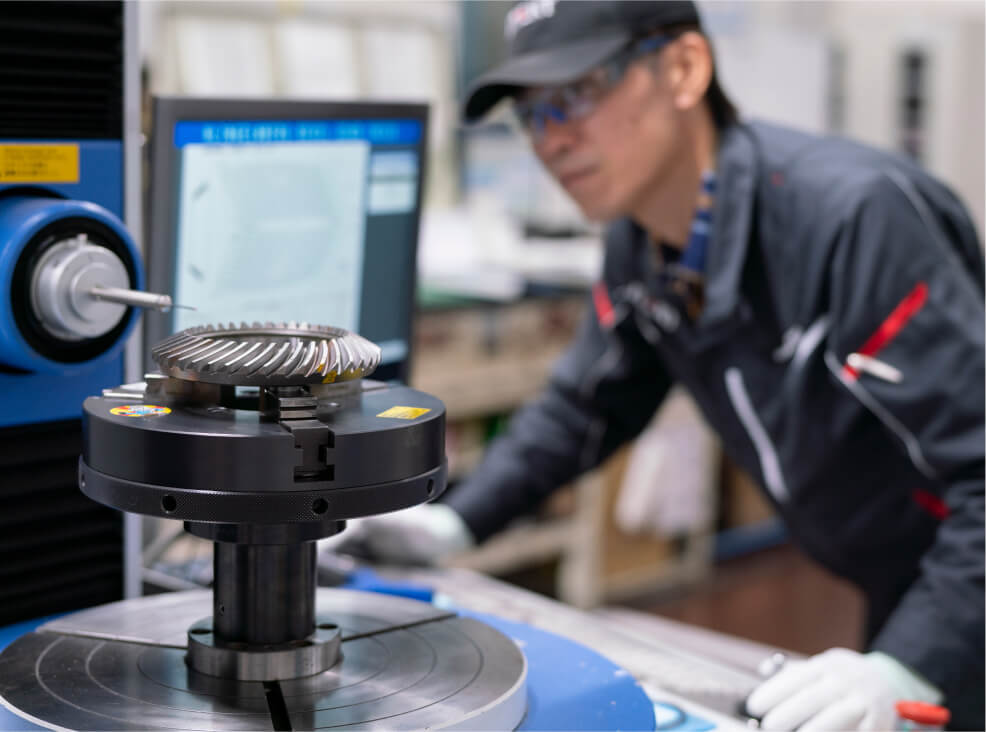
Example and decision data
For example, a compact actuator may need low transmission variation and repeatable positioning, while a heavy-duty reduction stage may prioritize load distribution and tooth-root strength. Both may be called precision gears, but they need different acceptance data. State the gear type, module or DP, tooth count, pressure angle, helix data where applicable, face width, material condition, mating-part information and the inspection characteristics to report.