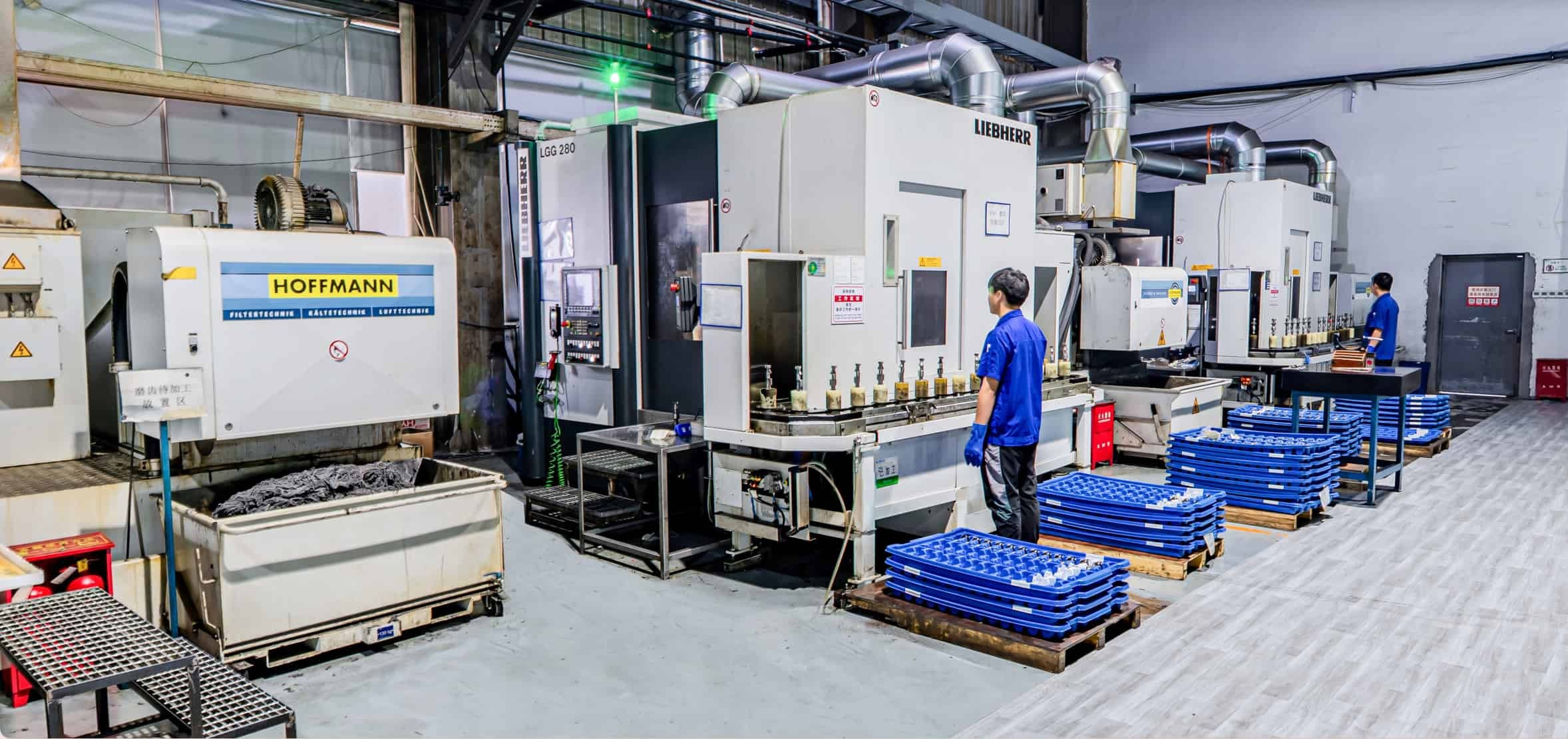
What is gear seizure, and how can it be prevented?
- Share
- Issue Time
- Sep 7,2026
Gear seizure: direct answer
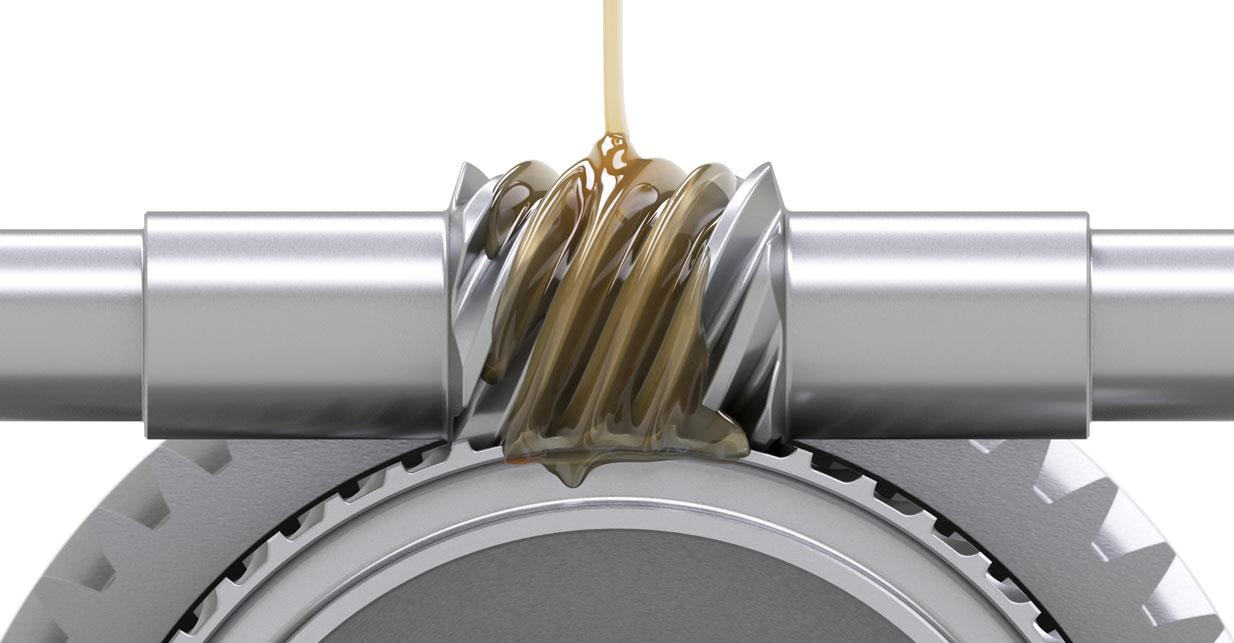
Gear seizure is severe adhesive damage at a loaded gear contact. When the lubricant film breaks down and sliding heat rises, tooth surfaces can scuff, smear or locally weld; the drive may bind or suffer rapid damage. It is not a normal wear pattern. Treat it as an operating-condition and root-cause problem, not simply a request for a harder gear.
Why gear seizure develops
Risk increases when film thickness is inadequate for the load, speed, temperature and surface condition. Low oil level, unsuitable viscosity, contamination, poor oil delivery, excessive sliding, overload, misalignment and insufficient backlash can contribute. PairGears cannot diagnose a failed gearbox from a photograph alone; the oil condition, contact pattern, temperatures, duty cycle and mating components should be reviewed together.
For drawings and component context, see PairGears product categories. A drawing, the mating component, duty cycle and inspection requirement are needed before a production route can be assessed.
Example and practical check
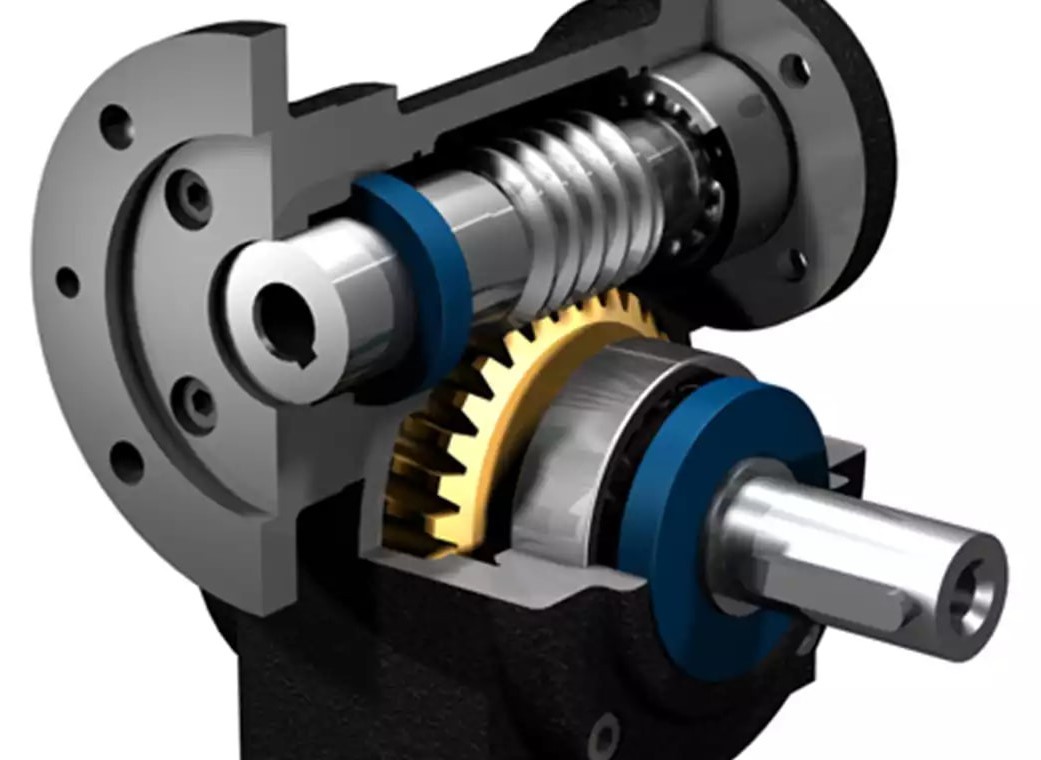
If a gearbox runs hotter after a lubricant change, do not assume that a higher-viscosity oil is automatically the fix. Record lubricant grade, quantity, supply method, operating temperature, speed, torque, noise and tooth appearance. Compare that evidence with the gearbox maker’s requirements before restarting after damage.