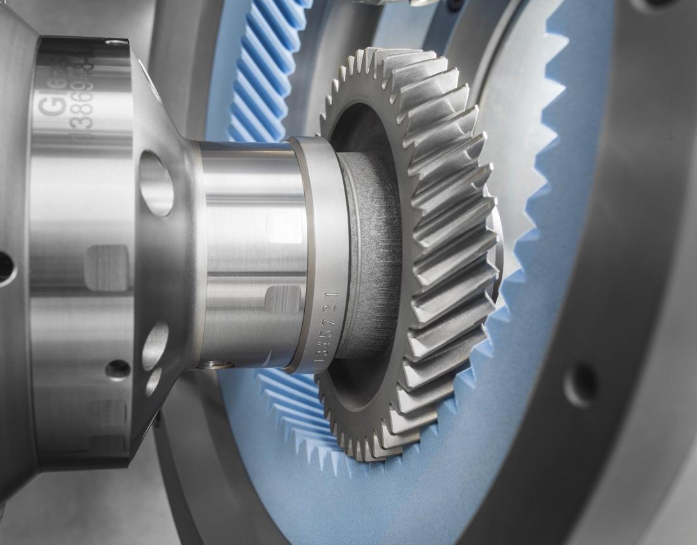
What is gear honing, and when is it used?
- Share
- Issue Time
- Sep 7,2026
Gear honing: direct answer
Gear honing is a controlled abrasive finishing operation used to refine gear tooth flanks, commonly after heat treatment. Within the available stock and defined geometry, it can improve surface texture and help tune contact behavior. It is not a cure for major profile, lead, runout, heat-treatment distortion or mounting errors; those need to be assessed before selecting honing.
What honing can and cannot correct
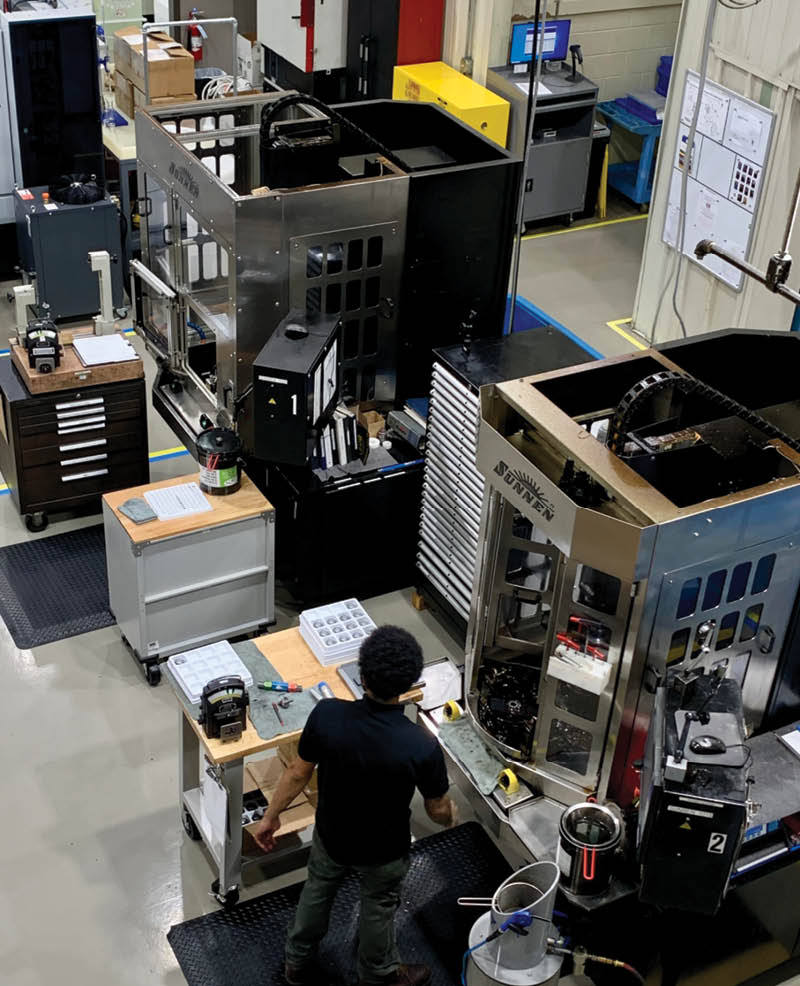
The expected result depends on the tool, abrasive, workholding, tooth geometry, material condition, remaining stock, lubricant or coolant, and inspection method. Honing may be considered when the design needs a refined flank finish or controlled contact after an earlier machining route. It should not be specified as a generic “noise fix” without defining the measured noise condition, mating gear, load, speed, target geometry and acceptance method.
For drawings and component context, see PairGears product categories. A drawing, the mating component, duty cycle and inspection requirement are needed before a production route can be assessed.
Example and practical check
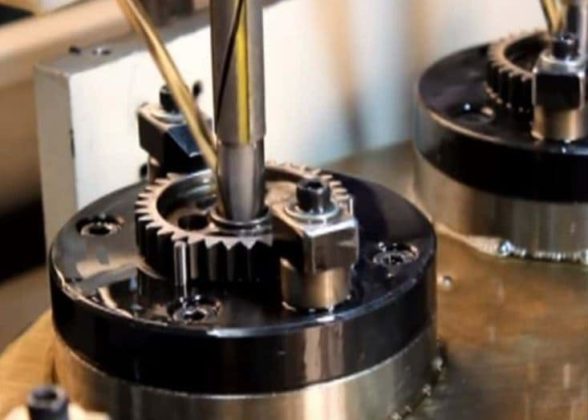
For example, a heat-treated gear with minor, known finishing allowance may be evaluated for honing after the tooth profile, lead and runout are measured. If distortion exceeds the planned allowance, a different corrective route or a design/process review may be necessary. Share before-and-after inspection requirements rather than relying on a process name.