John Deere Combine Harvester Bevel Gear Solutions

John Deere Combine Harvester Bevel Gear Solutions

Summary

See how an annual supply plan and split deliveries solved a 3,000-piece batch vs. 10,000-piece MOQ gap for John Deere combine bevel gears.

Introduction

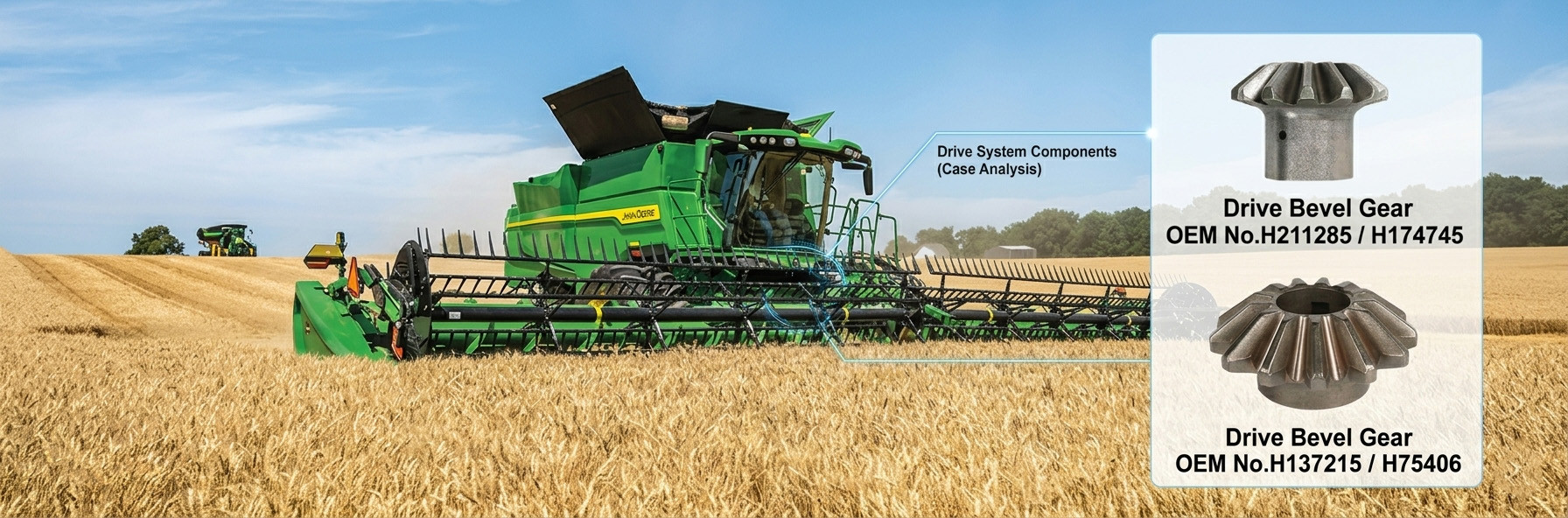
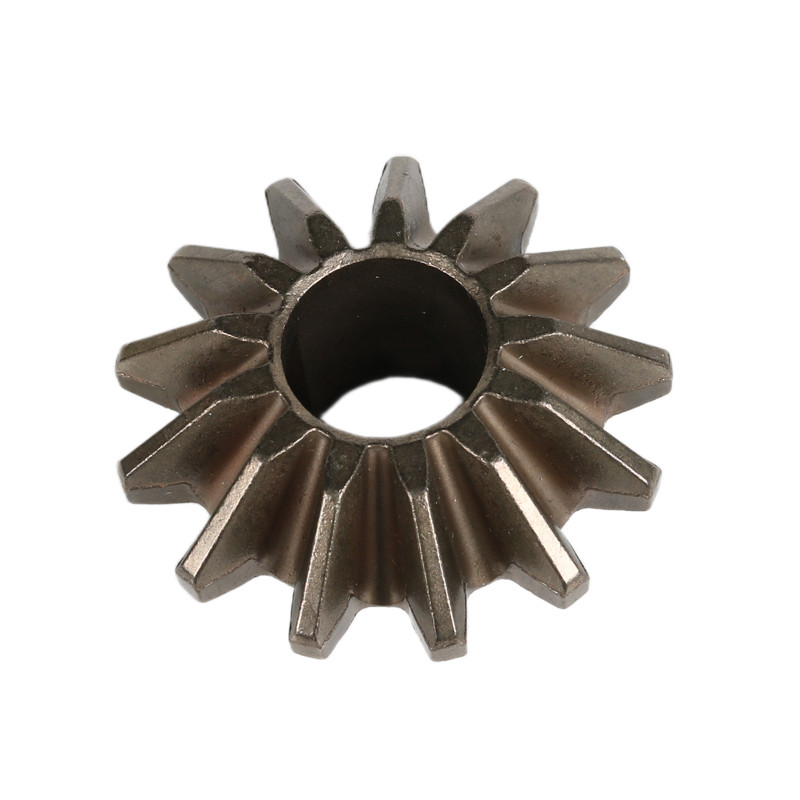
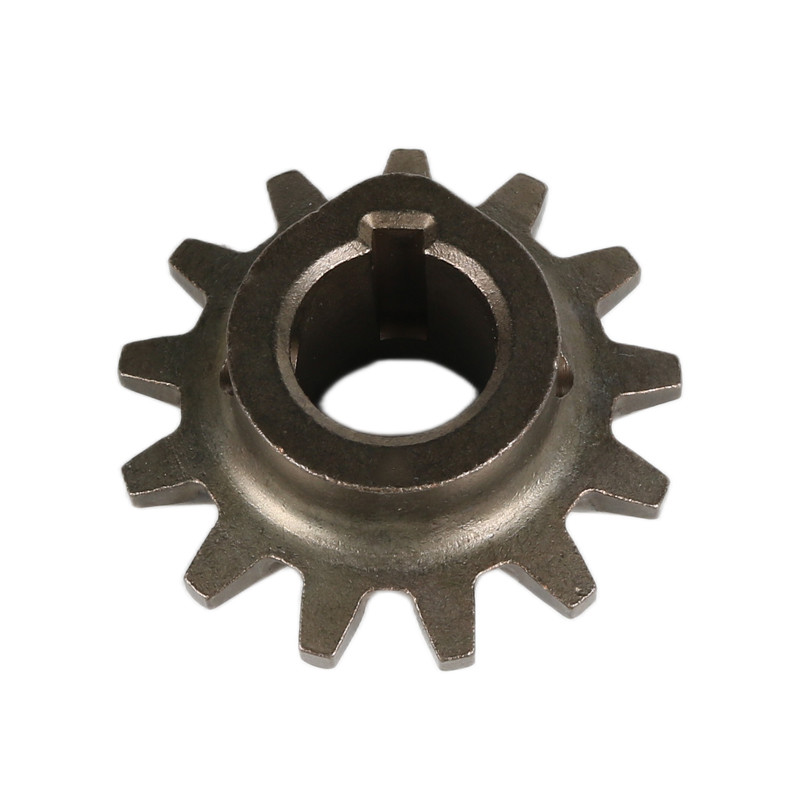
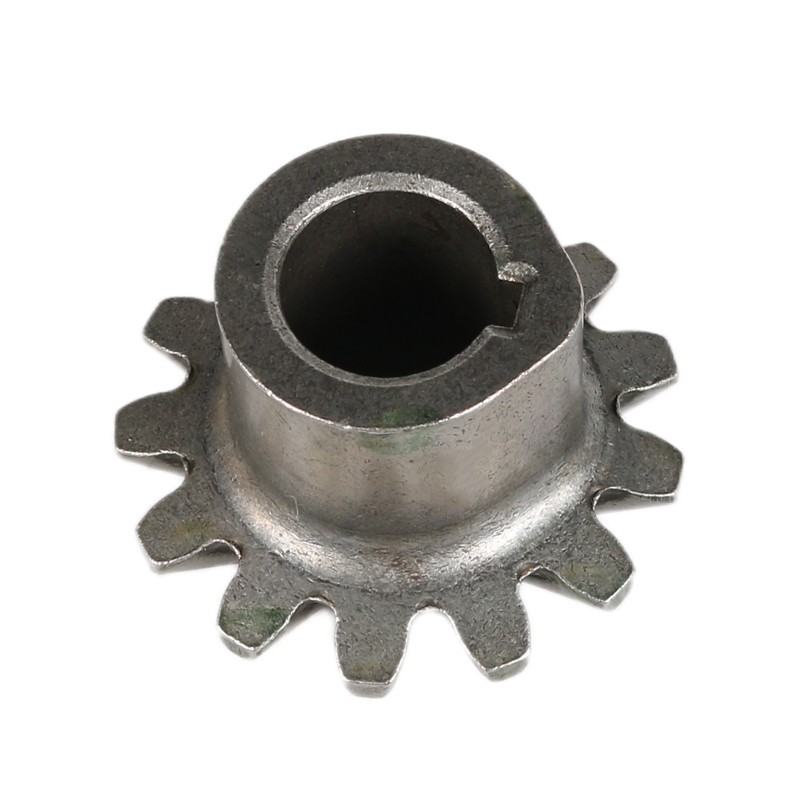
For this project, the customer needed two bevel gears for John Deere combines: H211285 / H174745 and H137215 / H75406. These two pairs are old and new OEM numbers for the same two products. Both parts are used in auger drive positions on John Deere combines, and the compatible model range covers multiple STS, CTS, 9000, S6, and S7 series machines.
At first, this did not look like a difficult job. The gear shape was clear, the application was stable, and the demand was repeatable. However, the real issue was not only the gear itself. The real issue was how to make the part with better precision, better surface finish, and higher output efficiency, while still matching the customer's ordering pattern.
two aftermarket replacement bevel gears for John Deere combines

Project Background

The customer was sourcing two aftermarket replacement bevel gears for John Deere combines:

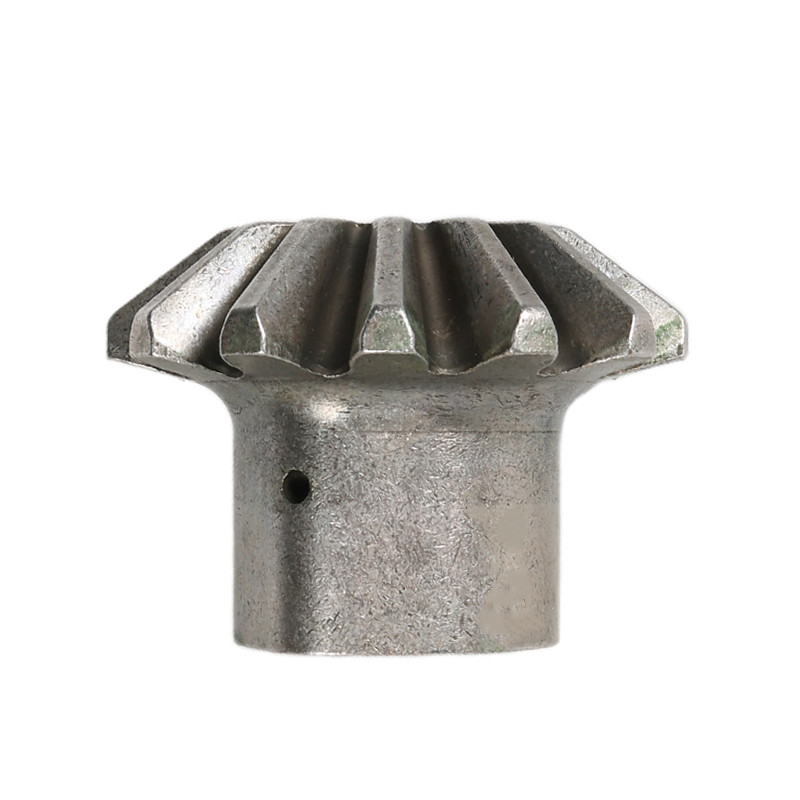
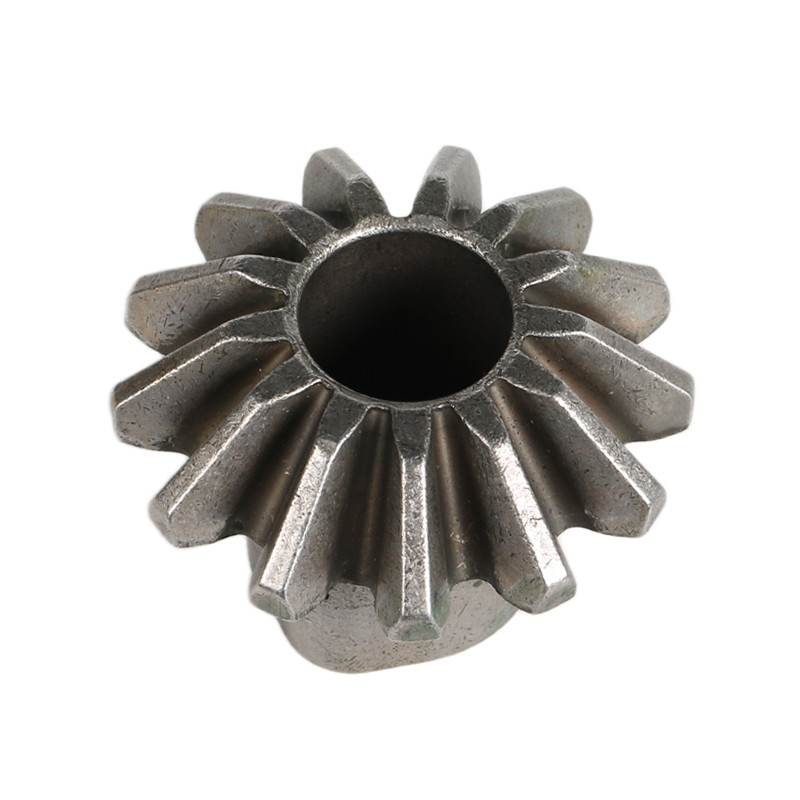
1) H211285 / H174745

Conveyor Auger Drive Bevel Gear for John Deere Combine
Applicable to STS 50 / 60 / 70 / 80 Series and S6 / S7 Series combines.

H211285
H211285

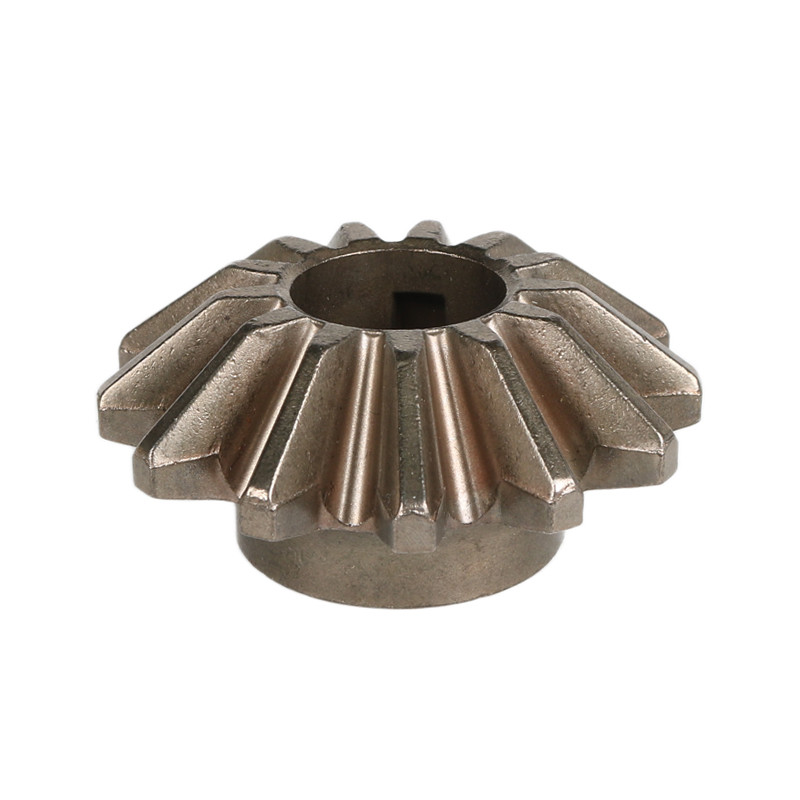
2) H137215 / H75406

Auger Bevel Gear for John Deere Combines
Applicable to CTS Series, 9000 Series, STS 50 / 60 / 70 / 80 Series, and S6 / S7 Series.

H137215
H137215
H137215
These are not decorative parts. They work in real harvesting conditions, so buyers care about three things first: dimensional accuracy, running stability, and consistency from batch to batch.

Why We Did Not Use Normal Hot Forging

For bevel gears like these, many suppliers still use conventional hot forging for the blank, followed by later machining. Hot forging is a common route and has its place, especially when the structure is larger or more flexible production is needed. But compared with cold forging or cold extrusion, hot forging usually gives lower dimensional accuracy and rougher surface condition because thermal variation and oxidation make control harder.

In this case, the customer wanted a more stable route. These bevel gears needed a better starting condition before later finishing steps. That is why we evaluated cold extrusion instead of standard hot forging.

Why Cold Extrusion Was the Better Fit

We chose cold extrusion for these two bevel gears because this process gave clear advantages for this project.

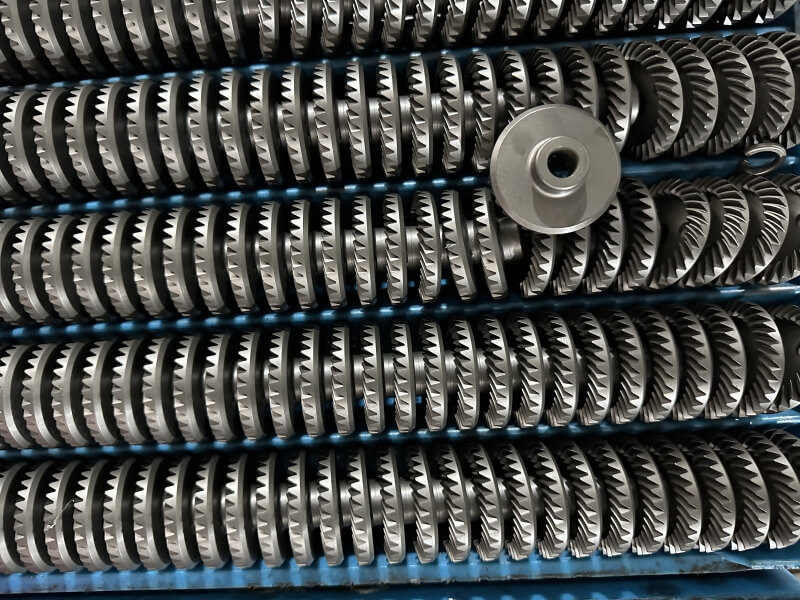
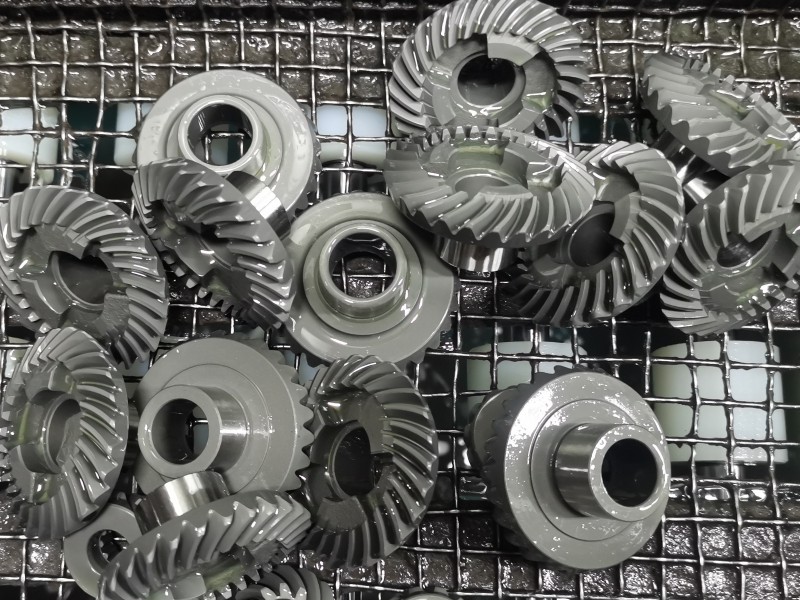
First, the surface finish was better. Cold extrusion avoids the scale and surface oxidation that often come with hot forming, so the formed part starts cleaner. Second, the dimensional control was better. That helped us move the part toward ISO Grade 7, while a normal hot-forged route for this kind of part is more likely to stay around Grade 8–9 before additional correction work. Third, the production rhythm was faster once tooling and process conditions were stable.
Application Of Cold Extrusion Technology In Gear Production-PairGears
This was important because the customer did not just want a part that fits. They wanted a part that could be supplied more efficiently over time, with a more repeatable result.

If you are interested, you can also take a look at our comparison article on gear cold extrusion and hot forging, where we explain the differences behind this case in more detail.

The Real Problem: MOQ Did Not Match the Customer's Order Size

This project had one practical problem from the beginning: the customer's order size was about 3,000 pieces per batch, but the cold extrusion route needed an MOQ of around 10,000 pieces.

That gap matters. Cold extrusion usually makes more sense when the volume is high enough to spread the tooling cost and process setup cost. If the order stays too small, the unit cost becomes less attractive, even if the part quality is better.

So the customer faced a common sourcing problem:
1. They wanted the better process
2. They needed the better precision and surface quality
3. But their normal batch order was too small for the ideal route

This is a very real OEM purchasing problem. Sometimes the best process is not blocked by engineering. It is blocked by order structure.

How We Solved It

Instead of forcing the customer to place one large shipment at one time, we changed the commercial structure.

We proposed an annual order agreement. Under this plan, the customer committed to the yearly volume needed for cold extrusion, while we arranged split deliveries in batches based on their actual stock and purchasing pace.

That gave both sides a workable result:
1. The customer could use the cold extrusion process
2. The MOQ issue was solved at the year-plan level
3. Deliveries could still follow the customer's real usage cycle
4. Tooling cost became easier to justify
5. Production planning became more stable
gear packaging
This solution was not complicated, but it was practical. We did not change the customer's business reality. We changed the supply method around it.

What the Customer Actually Gained

1. Better part quality

With cold extrusion, the starting shape and surface condition were better controlled, which helped the final part performance and consistency.

2. Better production efficiency

Once the tooling was ready, cold forming offered a faster and more repeatable production route for this kind of volume-based part.

3. A more workable MOQ structure

The customer did not need to wait until one single order reached 10,000 pieces physically. By using an annual commitment and split shipments, they could buy in a way that matched their real business flow.

4. Better long-term cost logic

Yes, tooling cost matters in cold extrusion. But when the yearly demand is clear and deliveries are planned correctly, the total cost logic becomes more reasonable than making short-term decisions batch by batch.

Why This Case Matters for OEM Buyers
Many buyers compare suppliers only by unit price. In practice, that is often too narrow.

For OEM or replacement gear projects, the right question is usually this:
Which process gives the right balance of precision, output, tooling cost, and order structure?

This case is a good example. If we had only looked at one 3,000-piece order, cold extrusion would not have looked practical. But when we looked at the full yearly demand, it became the better route.

That is why gear sourcing should not stop at drawing review. It should also include:
√ annual demand review
√ tooling logic
√ process fit
√ batch delivery planning
√ long-term consistency
pairgears gear Inspection report

Conclusion

This was not only a bevel gear project. It was a process-selection project and a supply-structure project.

The customer needed a better forming route, but their batch quantity did not fit the normal MOQ for cold extrusion. By changing the order model to a yearly agreement with split deliveries, we helped them use a process that delivered better surface finish, better dimensional control, and better production efficiency than a standard hot-forged route.

If you are sourcing OEM bevel gears and your order quantity, tooling cost, or process choice does not seem to match, the answer may not be changing the part. The answer may be changing the supply plan.If you are developing OEM bevel gears for combines, agricultural machinery, or other transmission systems, we can help you review the part from process selection, prototype planning, tooling logic, and production supply.