Case IH Sugar Cane Harvester Gear Solutions

Case IH Sugar Cane Harvester Gear Solutions

Summary

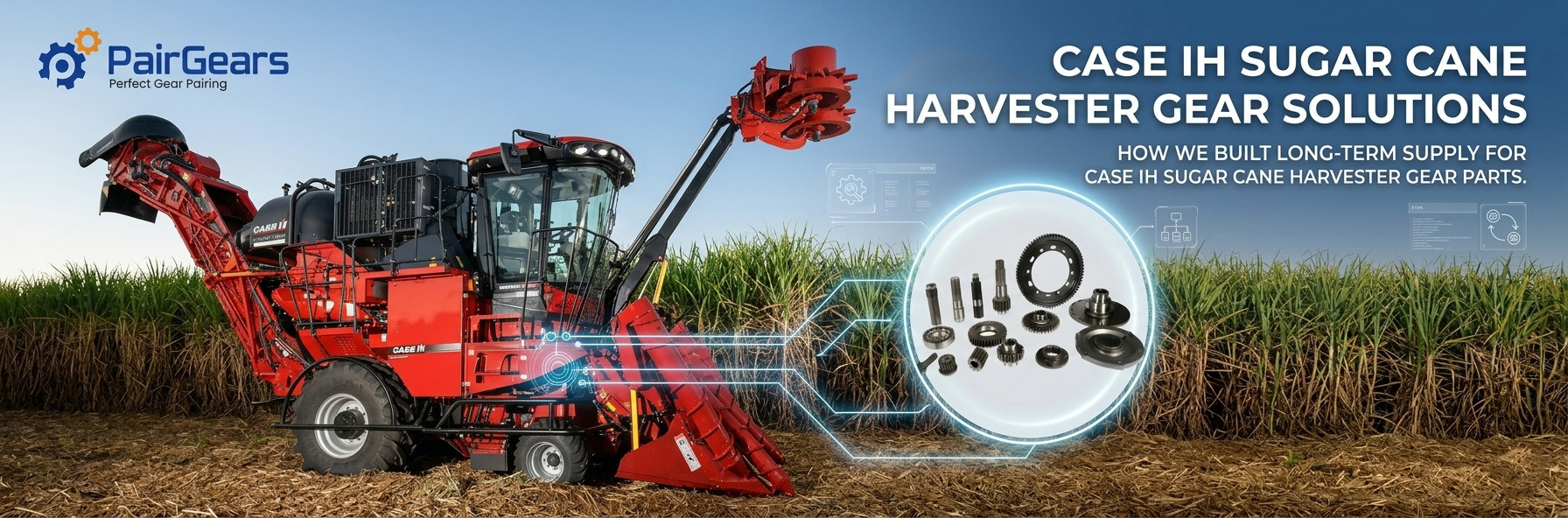
A real supply case for Case IH sugar cane harvester gear parts. See how stable quality, sample development, and customer visits led to long-term cooperation.
Introduction

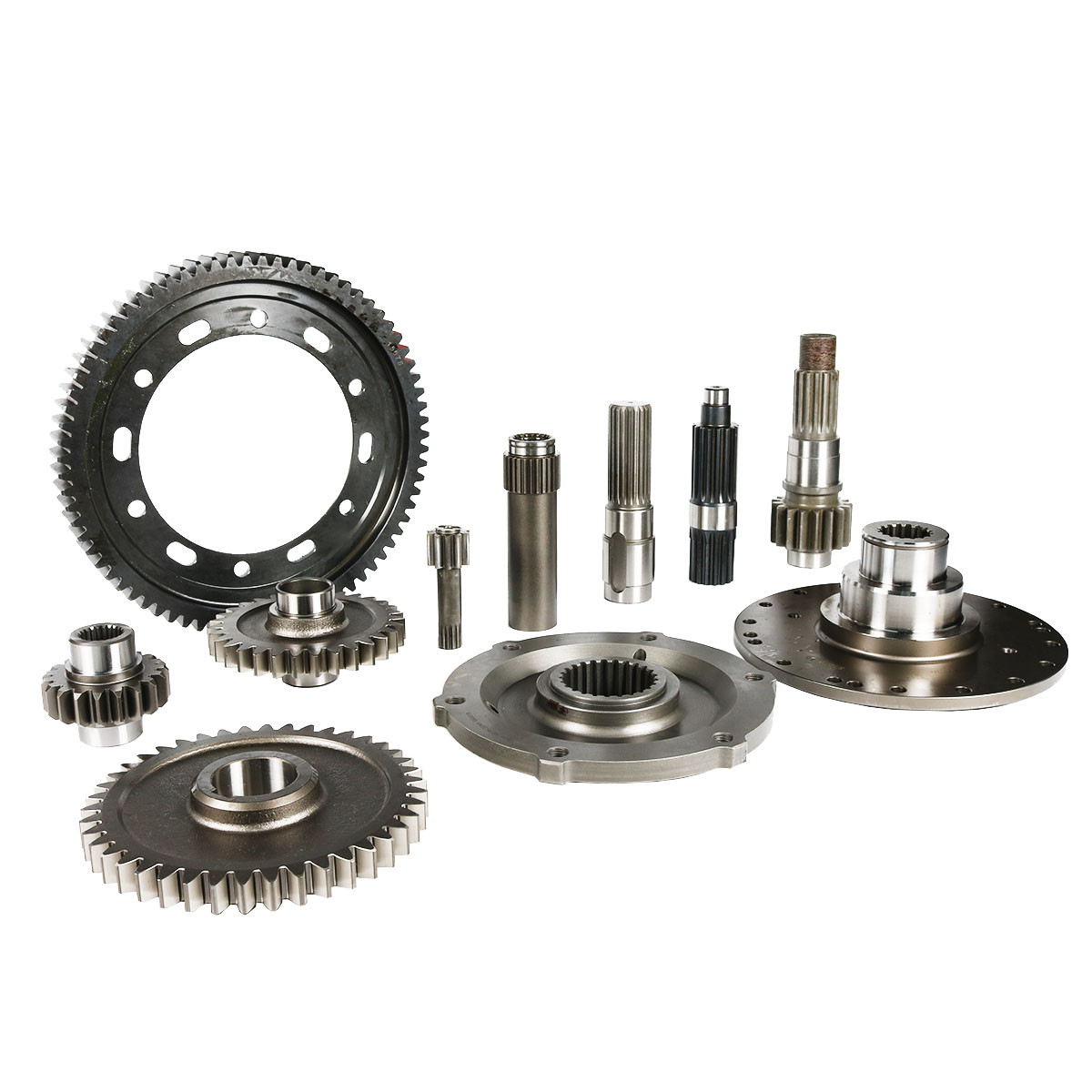
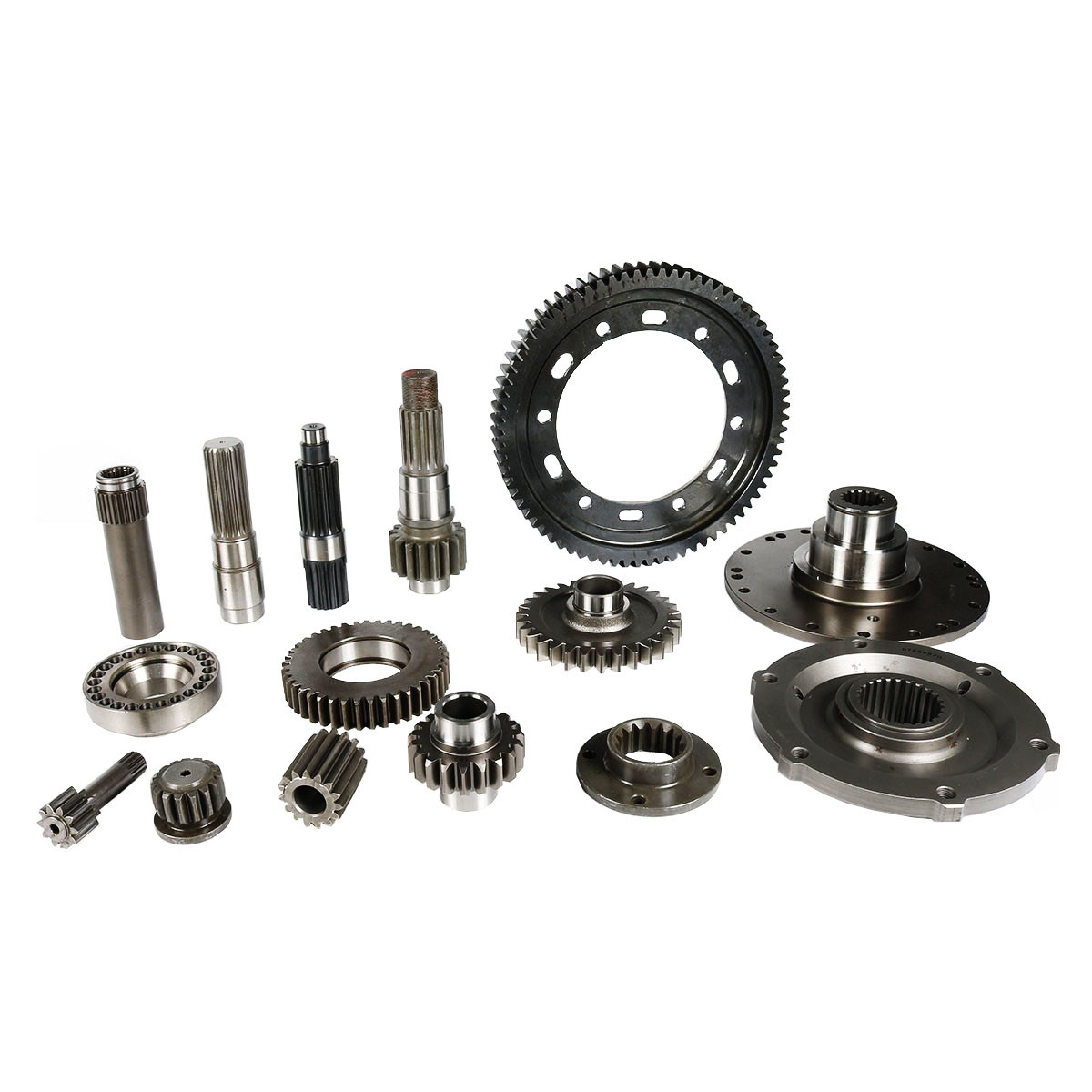
This project covers dozens of gear parts for Case IH sugar cane harvesters, including 7000, 7700, 8000, and 8800 series machines. The customer needed a supplier that could offer stable quality, reasonable pricing, and reliable batch supply. Starting from samples, we supported quotation, drawing preparation, first sample development, approval, and mass production. Later, we also visited the customer in their country, which helped build stronger trust and long-term cooperation.
Case IH Sugar Cane Harvester Gear Parts Case

How stable quality and direct customer support led to long-term cooperation

For agricultural machinery parts, customers do not only care about price.
What matters more is whether the parts can be supplied with stable quality, batch after batch.

This project covers dozens of gear parts for Case IH sugar cane harvesters, mainly for 7000, 7700, 8000, and 8800 series machines.
The customer had supply options before, but the quality was not stable enough for long-term business. Over time, this created pressure on purchasing, after-sales service, and market trust.

Our price was close to the market level, but the final decision was not made by price alone.
What helped us build this cooperation was a better balance of quality, communication, sample development, and long-term support.

This was not a single-part order

This project was not about one gear only.
It involved dozens of gear and transmission parts for different Case IH sugar cane harvester models.

That kind of project is more complex than a normal single-item order because it usually includes:

▷ many OEM numbers
▷ many part types
▷ different development stages
▷ sample-based development
▷ drawing preparation and internal coding
▷ long-term batch supply needs

For the customer, the real goal was not simply to find a factory that could make one part.
They needed a supplier that could help organize, develop, and supply multiple parts in a more stable way.
Case IH Sugar Cane Harvester Gear Parts Case
No.
PairGears No.
OEM No.
Part Name
Online Product Page
1
PGCS101
87217726
Shaft
2
PGCS103
87254870
Hub
3
PGCS104
87408131
Chopper Flywheel
4
PGCS105
87408130
Plate
5
PGCS106
87239615
Gear
6
PGCS107
87239618
Hub
7
PGCS109
87239604
Drive shaft
8
PGCS113
86700800
Hub
9
PGCS115
51523917
Gear
10
PGCS116
51523922
Gear
11
PGCS117
51523912
Gear
12
PGCS118
51523908
Shaft
13
PGCS119
51523923
Gear
14
PGCS120
87239608
Gear
15
PGCS121
90453751
Gear
16
PGCS122
90453809
Gear
17
PGCS123
90453145
Shaft
18
PGCS124
90453120
Shaft
19
PGCS125
90453797
Gear
19
PGCS126
90453156
Spacer
21
PGCS127
90453056
Coupling
22
PGCS128
90453884
Spacer
23
PGCS129
90453448
Spacer
24
PGCS130
90453449
Piston
25
PGCS131
87191100
Gear
26
PGCS132
87191200
Gear
27
PGCS133
87223444
Gear
28
PGCS134
48162478
Shaft
29
PGCS135
0300048145
Adapter
30
PGCS136
0300048144
Hub
31
PGCS137
0300048145
Adapter

The customer's problem was ongoing quality instability

At the beginning, the main issue was clear:
the customer had been facing repeated quality problems in previous supply.

In agricultural machinery parts, buyers may first ask about price.
But in long-term business, the real question is different:
Can the supplier keep the quality stable over time?

For sugar cane harvester parts, customers usually care about:

▷ dimensional consistency
▷ correct fit
▷ reliable hardness and heat treatment
▷ stable performance from batch to batch
▷ fewer after-sales problems

If these points are not stable, the real cost becomes much higher than the quoted price.
There may be returns, rework, complaints, and loss of trust in the market.

That was the background of this project.
The customer was not simply looking for another quotation.
They were looking for a supplier that could offer more reliable long-term supply.

The price difference was not big, but the result was different

One practical point in this project was that our price was not far from the customer’s previous sourcing level.

So the reason the customer continued working with us was not that we offered an unusually low price.
The reason was that, within a reasonable price range, we could better support what the customer really needed:

▷ quality that could meet requirements
▷ smoother sample development
▷ more stable batch supply
▷ clearer communication
▷ better follow-up after problems or questions
▷ stronger confidence for long-term cooperation

For experienced buyers, the lowest unit price is not always the best choice.
They also look at the full cost behind the project:

▷ quality cost
▷ after-sales cost
▷ communication cost
▷ lead time risk
▷ customer complaint risk

When quality is unstable, a cheaper price often stops being cheap.

How the project moved forward

This cooperation was built step by step.
It was not just about sending a quote and waiting for an order.

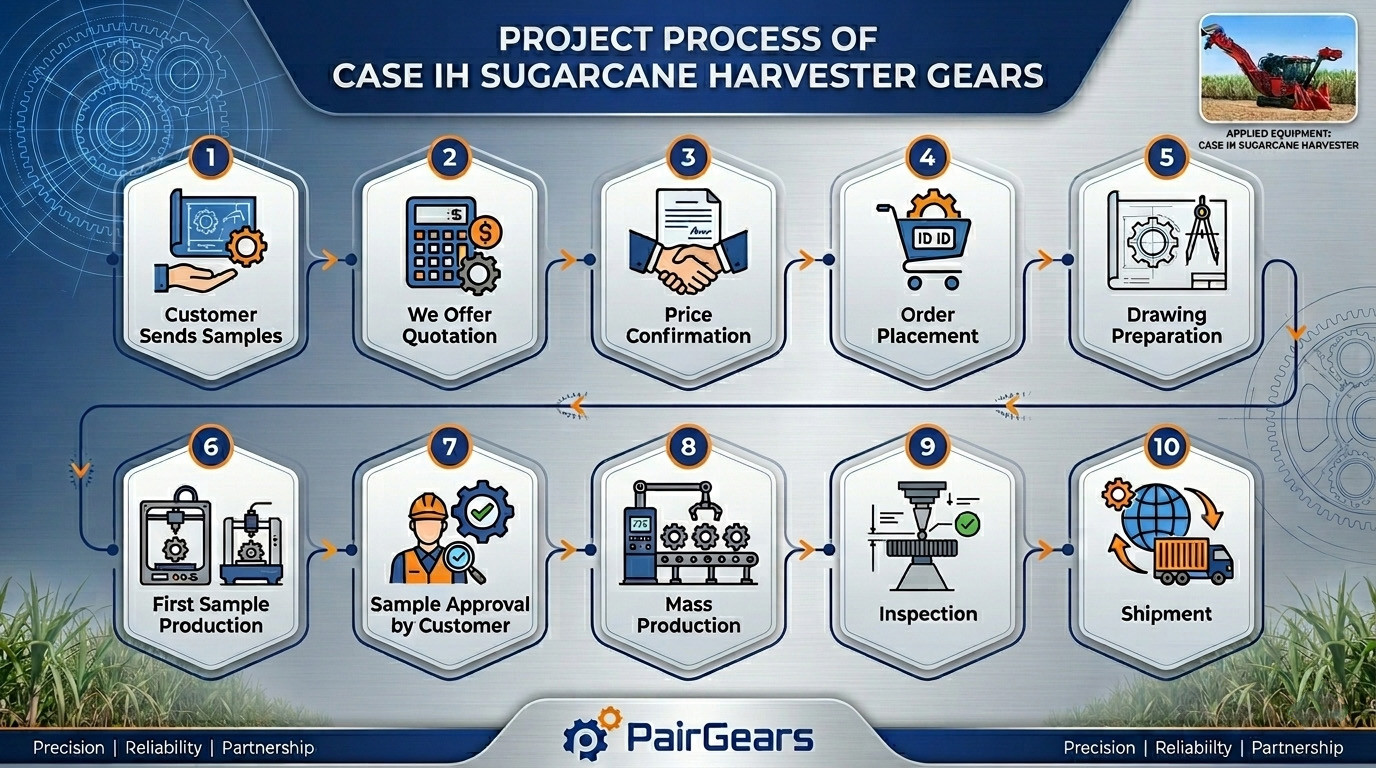
Project workflow:
Customer Sends Samples → We Offer Quotation → Price Confirmation → Order Placement → Drawing Preparation → First Sample Production → Sample Approval by Customer → Mass Production → Inspection → Shipment
Project Process of Case IH Sugarcane Harvester Gears
This flow matters because every step helped reduce risk and improve clarity.

1. Customer sends samples

For older machinery parts and multi-part projects, samples are often the best starting point.
They help us confirm structure, fit, and development direction more quickly.

2. We offer quotation

Quotation is not only about unit price.
It also depends on the sample condition, processing route, order quantity, and future supply plan.

3. Price confirmation

This stage is where both sides confirm whether the project can move forward in a practical way.

4. Drawing preparation

For projects with many parts, drawing and internal coding are very important.
The clearer this stage is, the easier later batch supply becomes.

5. First sample production

The first sample stage is one of the most important parts of the whole project.
It shows not only whether one part can be made, but also whether the full project can be developed in an orderly way.

6. Sample approval by customer

Once the customer approves the sample, confidence in later batch orders becomes much stronger.

7. Mass production, inspection, and shipment


The real difference between suppliers often appears here.
Making one sample is one thing.
Keeping batch supply stable is another.

Why the customer later chose long-term cooperation

This cooperation became long-term for several reasons.

1. Stable quality

This was the starting point of the whole project.
The customer needed a more reliable supply result, not just another batch of parts.

2. Reasonable pricing

The project still had to make business sense.
A long-term supplier must be able to balance quality and price, not focus on only one side.

3. Willingness to support a multi-part project

A project with dozens of parts cannot be made smooth in one step.
It needs time to sort out samples, drawings, codes, first samples, and later orders.

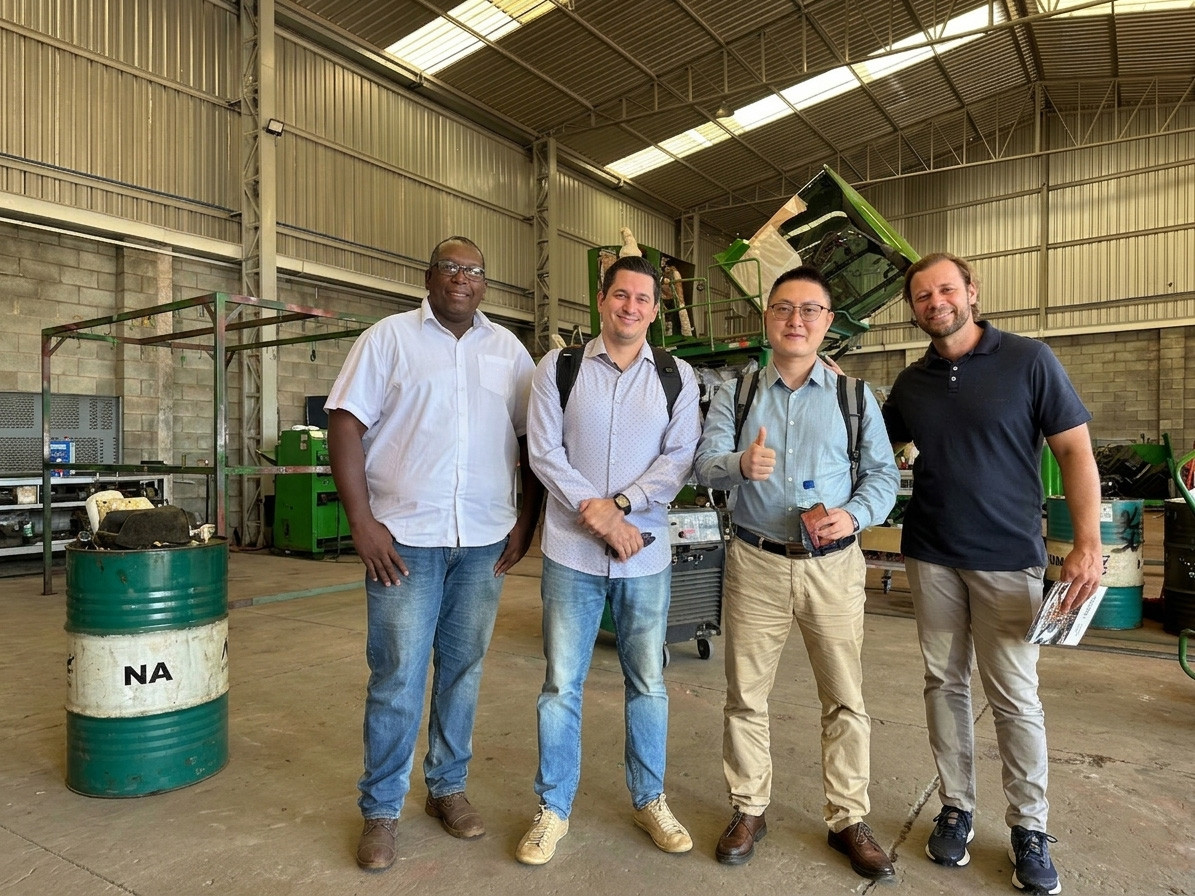
4. Face-to-face customer visit

Another important part of this case was that we visited the customer in their country.

That visit was more than a business trip.
It gave both sides a chance to discuss the project directly, review cooperation in person, and build stronger trust.

For many customers, this makes a real difference.
It shows that the supplier is serious about the project and serious about long-term cooperation.
PairGears visited the customer in their country

What this case really shows

This case is not only about making gear parts.
It shows that for agricultural machinery projects, long-term cooperation is usually built on several things together:

√ stable product quality
√ clear development process
√ reasonable pricing
√ reliable batch supply
√ direct communication
√ real customer support

That is why this project became more than a normal order.
It developed into a more stable and lasting business relationship.

Conclusion

This project started with a simple question:
Could the customer find a supplier that offered stable quality without moving too far away from the market price?

Step by step, the answer became yes.

From sample review and quotation to first sample development, batch production, inspection, shipment, and customer visit, this project was built on practical work instead of empty promises.

In the end, what stayed with the customer was not just the parts.
It was the confidence that the project could continue in a more stable way.

If you are looking for gear parts or transmission parts for Case IH sugar cane harvesters, or if you have a project with multiple models, samples, or long-term replenishment needs, feel free to send us your samples, OEM numbers, part list, or drawings.

We can help you review the project step by step and work out a more practical supply plan.