What to Send When You Need Replacement Gears
- Share
- publisher
- Jessica
- Issue Time
- Jun 2,2026
Summary
Learn what buyers should send for replacement gears, including samples, OEM numbers, drawings, tooth data, mating parts, failure details and inspection needs.
Replacement gear projects often begin with urgency. A machine is down, an old part is worn out, or the original OEM part is no longer easy to source. In many cases, buyers send one photo and ask, "Can you make this gear?" That can start the conversation, but it is usually not enough to judge fit, lead time, manufacturing route, or replacement risk.
At PairGears, we manufacture custom precision gears and gear sets for Agricultural Machinery, Heavy-Duty Trucks, Construction Equipment, and EV drivetrains. For replacement gears, the goal is not simply to copy the visible shape of the old part. It is to understand the original geometry, mating condition, material route, heat treatment, and working environment well enough to build a part that actually fits and runs correctly in service.
Quick Answer: What to Send for Replacement Gears
When you need replacement gears, you should send the old sample or clear photos, OEM number, machine model, basic dimensions, tooth data, mating part information, failure condition, quantity, and any available drawing or inspection record.
Why Replacement Gears Need More Than a Photo
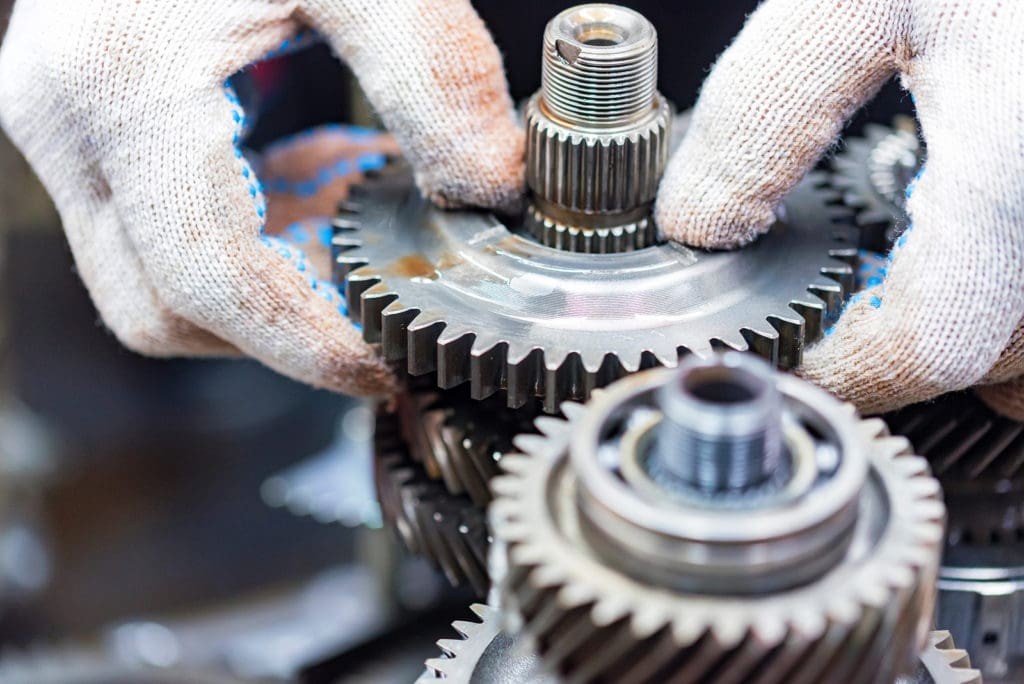
A replacement gear is rarely just a visual copy. If the old part is worn, broken, rusted, or deformed, the visible surface may no longer represent the original design. A supplier may still measure the part, but measurement alone does not always reveal the original backlash, contact pattern, heat treatment, or mating relationship.
This becomes even more important when the gear works inside a tractor transmission, truck gearbox, reducer, construction machine, or electric drive system. The new part must do more than "look close". It must fit the shaft, match the mating gear, carry the load, and work under the correct lubrication and service conditions.
Incomplete RFQ information usually creates avoidable risk. A gear with the same tooth count may still fail if the module, pressure angle, helix angle, bore tolerance, spline details, or mounting distance are different. In practice, better upfront information usually leads to faster review, fewer revisions, and a more reliable replacement result.
Replacement Gear RFQ Checklist
| Information Needed | What to Send | Why It Matters |
| Old gear sample | Physical sample, if available | Helps with measurement, tooth data review, and reverse engineering |
Clear photos | Front, back, side, bore, keyway, spline, damage area | Helps identify gear type, wear pattern, and missing details |
OEM part number | Original part number or old catalog reference | Helps confirm identification and reduce mismatch risk |
| Machine brand and model | Tractor, truck, excavator, reducer, EV drive, etc. | Helps understand application and working condition |
| Gear type | Spur, helical, bevel, worm, ring gear, pinion, shaft gear, spline gear | Helps determine the manufacturing route |
Basic dimensions | OD, bore, face width, total length, shaft size | Helps estimate fit and feasibility |
Tooth data | Tooth count, module or DP, pressure angle, helix angle, hand direction | Determines meshing compatibility |
Mating part information | Photos, sample, or drawing of the mating gear, shaft, bearing, or housing | Helps review ratio, backlash, contact, and assembly fit |
Failure condition | Broken tooth, pitting, wear, noise, overheating, poor fit | Helps identify possible design or service issues |
Material or hardness data | Steel grade, hardness, case depth, or old report | Helps choose material and heat treatment |
Quantity | Sample quantity, repair quantity, annual demand | Affects tooling, price, and planning |
Delivery requirement | Lead time target, export country, packaging needs | Helps with scheduling and shipment planning |
For broader custom projects, this replacement checklist can also connect with a complete custom gear quote checklist, especially when drawings, samples, and inspection requirements need to be reviewed together.
Who Needs a More Detailed Replacement Gear Review?
● Agricultural Machinery buyers
Replacement fit, mixed loads, and long duty cycles make complete RFQ data especially important.
● Heavy-Duty Truck projects
Transmission parts often need tighter control of hardness, spline fit, and matching conditions.
● Construction Equipment teams
Shock load, dirt, and wear make material, heat treatment, and inspection scope more important than appearance alone.
● EV drivetrain and compact drive projects
Compact gears often need better control of noise, wear, geometry, and batch consistency.
● Repair and aftermarket buyers
Sample-based or OEM-number-based projects often need more confirmation because wear and damage can hide the original design condition.
What PairGears Checks Before Making Replacement Gears
| Review Item | What Should Be Checked | Why It Matters |
| Tooth geometry | Tooth count, module or DP, pressure angle, helix angle | Basic compatibility starts here |
| Main dimensions | OD, bore, face width, total length, shaft features | Directly affects fit and assembly |
Material route | Steel grade and equivalent standard | Controls strength and heat treatment choice |
| Heat treatment target | Hardness, case depth, or surface condition | Directly affects durability |
Mating condition | Whether the new gear must run with an old mating part | Prevents mismatch in replacement work |
Application load | Torque, speed, shock, service environment | Helps define whether the replacement is light-duty or heavy-duty |
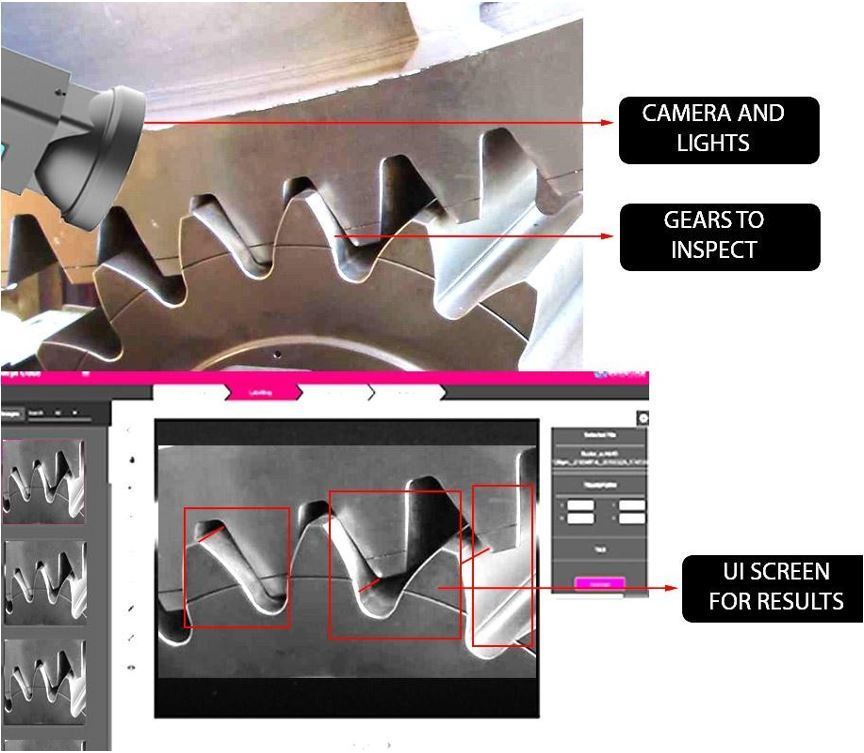
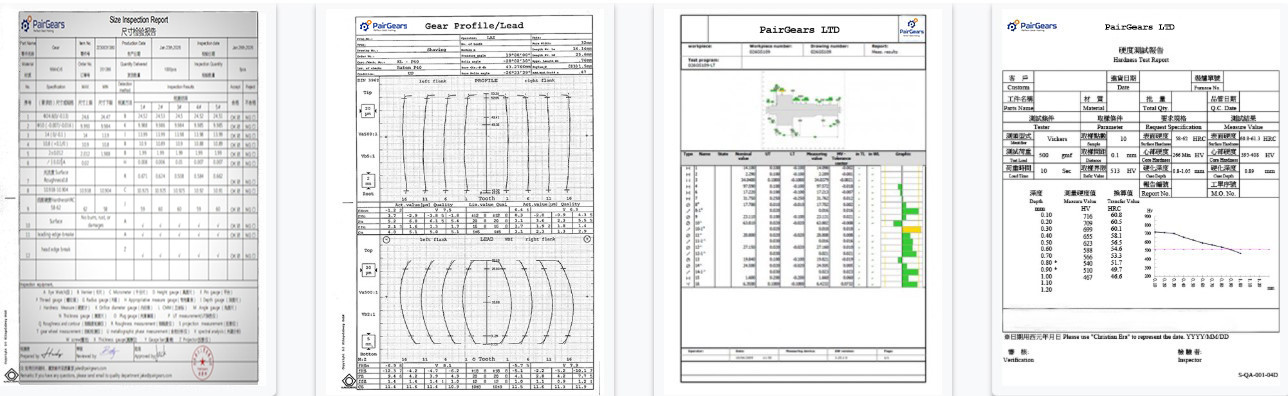
Inspection requirement | Material cert, hardness report, tooth report, runout check | Defines what evidence is needed before shipment |
Sample condition | Whether the old part is worn or damaged | Helps judge how reliable reverse measurement will be |
How to Send a Worn Gear Sample Correctly
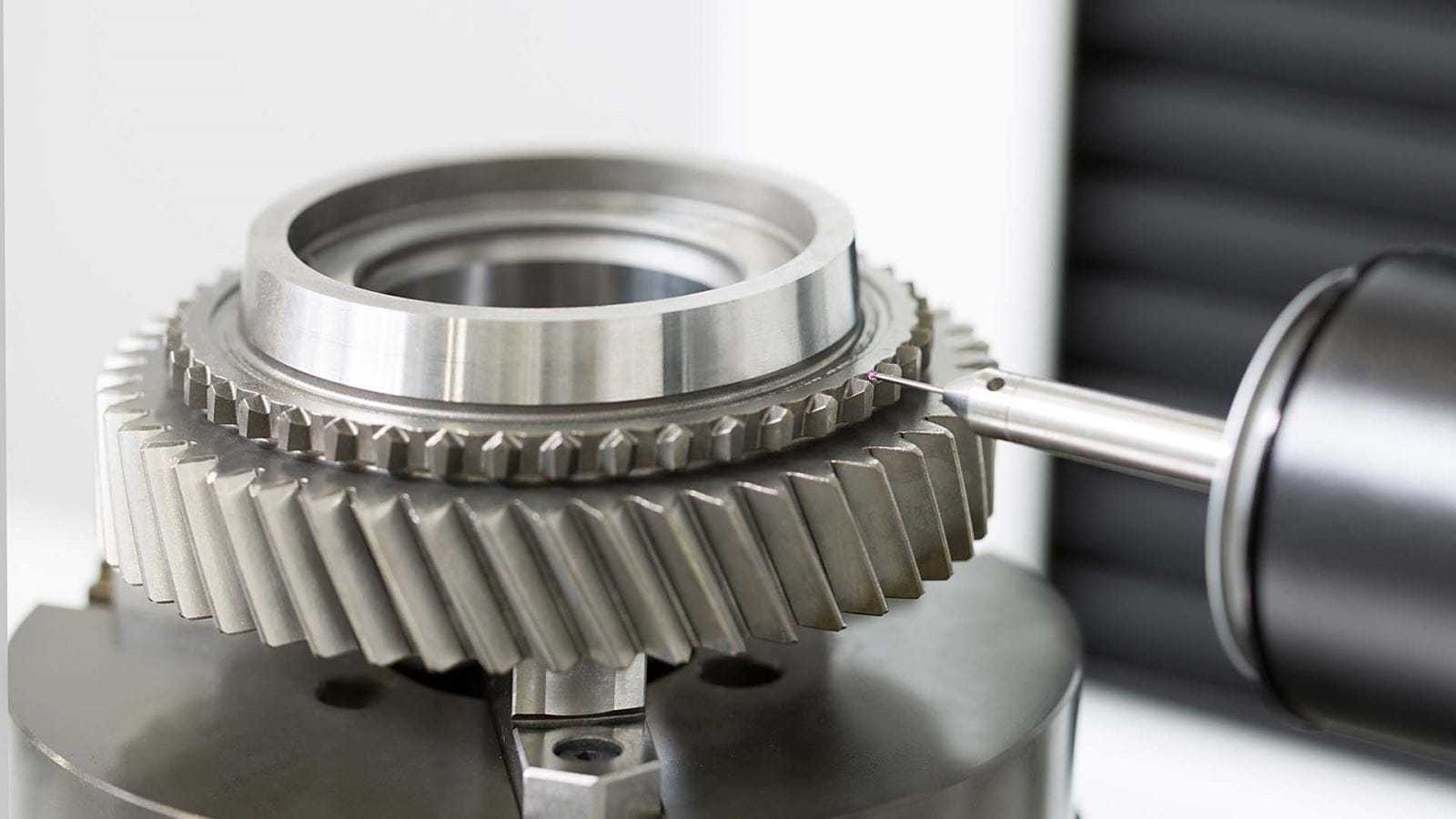
A worn sample is useful, but it should not automatically be treated as a perfect copy source. Tooth wear, pitting, broken corners, or spline damage can change the measured size. That is why samples work best when combined with OEM numbers, machine model, old drawings, or mating part information.
What If You Have a Drawing?
If you have a drawing, send it first. A 2D PDF is usually enough to begin review. For more complex shaft gears, housings, or assemblies, STEP or IGES files can help clarify structure and fit conditions more quickly.
How Better RFQ Details Reduce Replacement Risk
| Benefit | What Improves | Practical Result |
| More accurate quotation | Less guessing in process and cost | Better price and fewer revisions |
| Better process planning | Material and heat treatment match the real part | Lower production risk |
Faster technical review | Missing items are identified early | Shorter clarification cycle |
Better sample accuracy | Supplier works from clearer assumptions | Fewer repeat samples |
Better replacement fit | Mating conditions are reviewed earlier | Lower risk of field mismatch |
A complete RFQ does not only help the supplier. It also helps the buyer compare quotations more fairly. If one supplier quotes from a full drawing and another quotes from only one photo, those prices may not represent the same manufacturing assumptions at all.
Practical Tips Before Sending a Replacement Gear RFQ
● Send the drawing first if you have it.
A clear drawing saves time and avoids many unnecessary questions.
● If no drawing is available, send the sample with multiple photos.
Include front, back, side, bore, and damaged area views if possible.
● Do not separate material from heat treatment.
These two should be reviewed together because they define how the part will actually perform.
● Explain the application honestly.
A supplier can only judge the risk correctly if the load, speed, lubrication, and service environment are described clearly.
● State report requirements early.
If you need hardness reports, material certificates, or tooth inspection reports, it is better to define that before quotation is finalized.
Why Choose PairGears for Replacement Gear Projects
PairGears supports replacement gear projects from drawings, samples, OEM numbers, photos, and application information. For these projects, we do not only look at the visible shape of the old part. We review the working condition, manufacturing route, and matching requirements behind it, including tooth data, material, heat treatment, mating conditions, and inspection scope.
We focus on:
●practical review for Agricultural Machinery, Heavy-Duty Trucks, Construction Equipment, and EV drivetrains
●drawing-based and sample-based replacement gear development
●material and heat treatment planning based on real service conditions
●inspection logic that connects geometry, hardness, and fit
●workable routes from quotation to sample approval and repeat production
This kind of early review is especially useful when the project involves worn samples, discontinued items, replacement parts that must match an old mating gear, or assemblies where backlash and contact matter.
FAQ
Q1: Can I get a quote without a drawing?
Yes. A sample, OEM number, product photo, or key dimensions can still help start the review, although the quotation may need more technical confirmation.
Q2: What is the most important information in a replacement gear RFQ?
A drawing is usually the most useful starting point, followed by tooth data, material, heat treatment, quantity, and application details.
Q3: Why does the supplier ask about the machine model and working condition?
Because the same-looking gear may need a different process depending on torque, speed, load, and service environment.
Q4: Should I send the mating gear too?
If possible, yes. This is especially helpful when backlash, ratio, contact pattern, or fit with an existing gear is important.
Q5: What reports should buyers request before shipment?
That depends on the project, but common options include material certificates, hardness reports, gear inspection reports, and key dimensional reports.
Conclusion
Replacement gear projects work best when they are based on enough real information to judge the part correctly. Samples, drawings, tooth data, OEM numbers, material requirements, application details, and inspection expectations all help the supplier choose a practical route and reduce avoidable mistakes.
If you are preparing a replacement gear RFQ or trying to quote a worn part from a sample, you are welcome to Contact Us with your drawings, samples, OEM numbers, photos, and working conditions so PairGears can help review the project and discuss a practical quotation, production, and inspection plan.