Spline Shaft vs Gear Shaft: What Is the Difference?
- Share
- publisher
- PairGears
- Issue Time
- Aug 20,2026
Summary
Learn the difference between spline shafts and gear shafts, and what buyers should check for drawings, spline data, gear teeth, material and inspection.
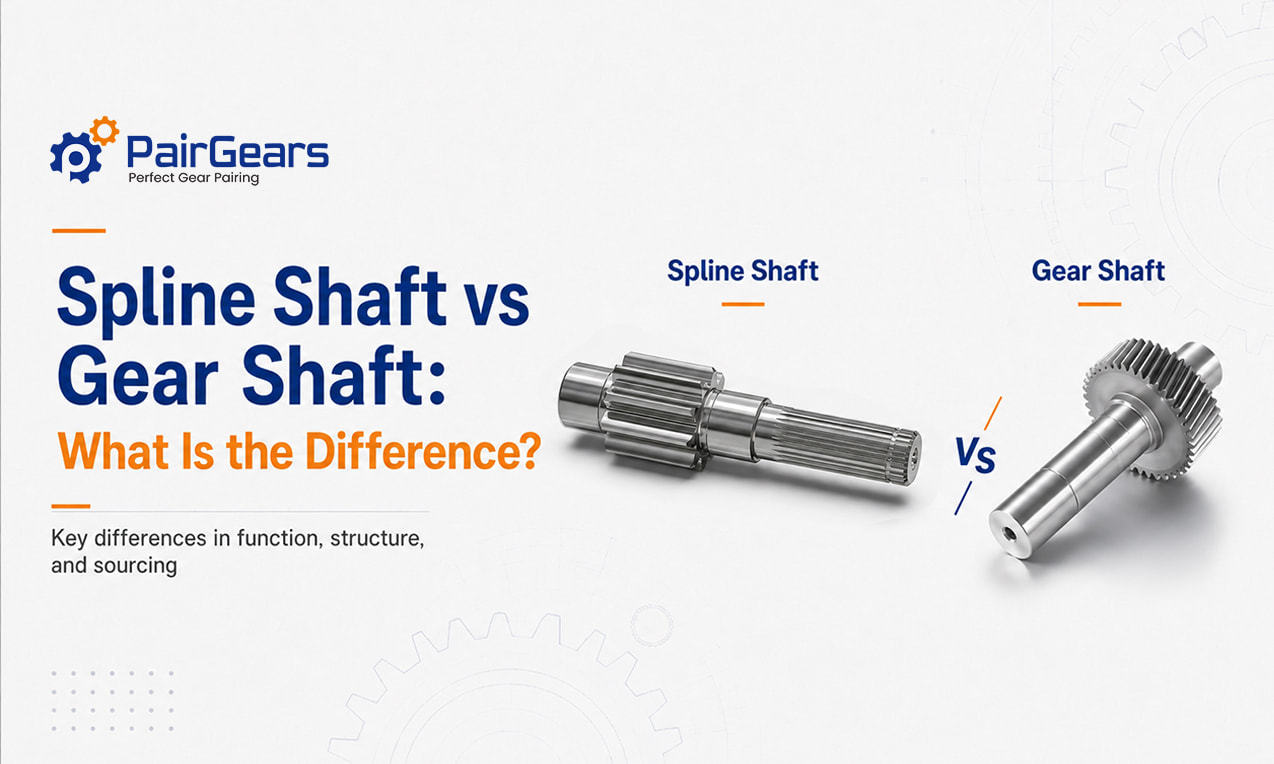
Spline shafts and gear shafts are both used in transmission systems, but they serve different purposes. A spline shaft usually connects with a hub, gear, coupling, or sleeve to transfer torque. A gear shaft has gear teeth or a gear section that meshes directly with another gear to transmit motion.
What Is the Main Difference Between a Spline Shaft and a Gear Shaft?
Spline Shaft
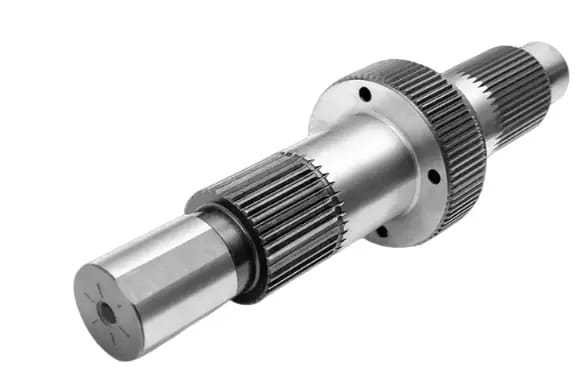
A spline shaft is defined by its spline section. External splines usually mate with internal splines in hubs, gears, couplings, or sleeves to transfer torque and maintain rotational position. Some designs also allow axial sliding.
Gear Shaft
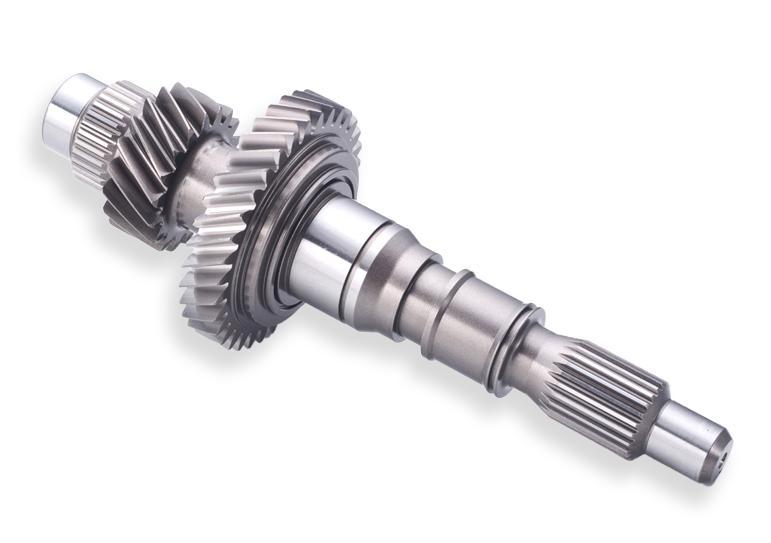
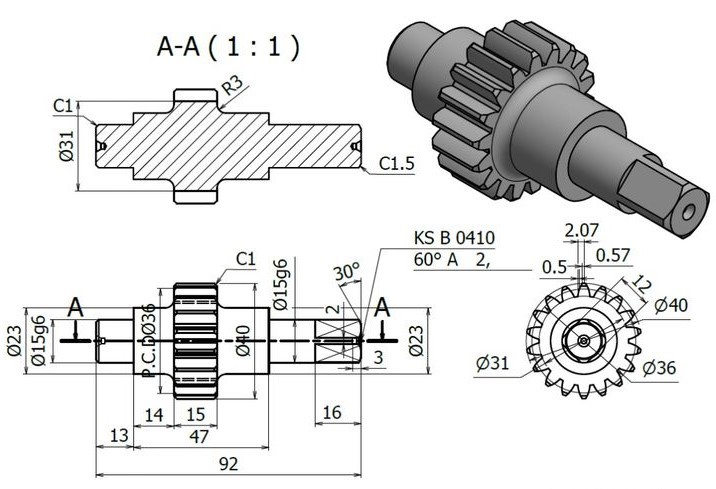
A gear shaft is more closely related to gear meshing. The shaft may include spur or helical teeth, a pinion section, or another gear form together with journals, bearing seats, shoulders, splines, keyways, or threads.
A spline shaft is mainly about connection and torque transfer, while a gear shaft is mainly about gear meshing and the transmission relationship. In many axle, transmission and machinery parts, both features appear on the same component.
What Should Buyers Check on a Spline Shaft?
Knowing that a part has a spline is only the starting point. The important question is how that spline fits and works with the mating component.
For a typical spline shaft project, the following information is useful:
The machining route also depends on the spline form, whether it is internal or external, the material condition, required accuracy, and production quantity. Different spline types and machining methods may be considered depending on these requirements..
What If the Old Spline Shaft Is Already Worn?
This is common in replacement work.
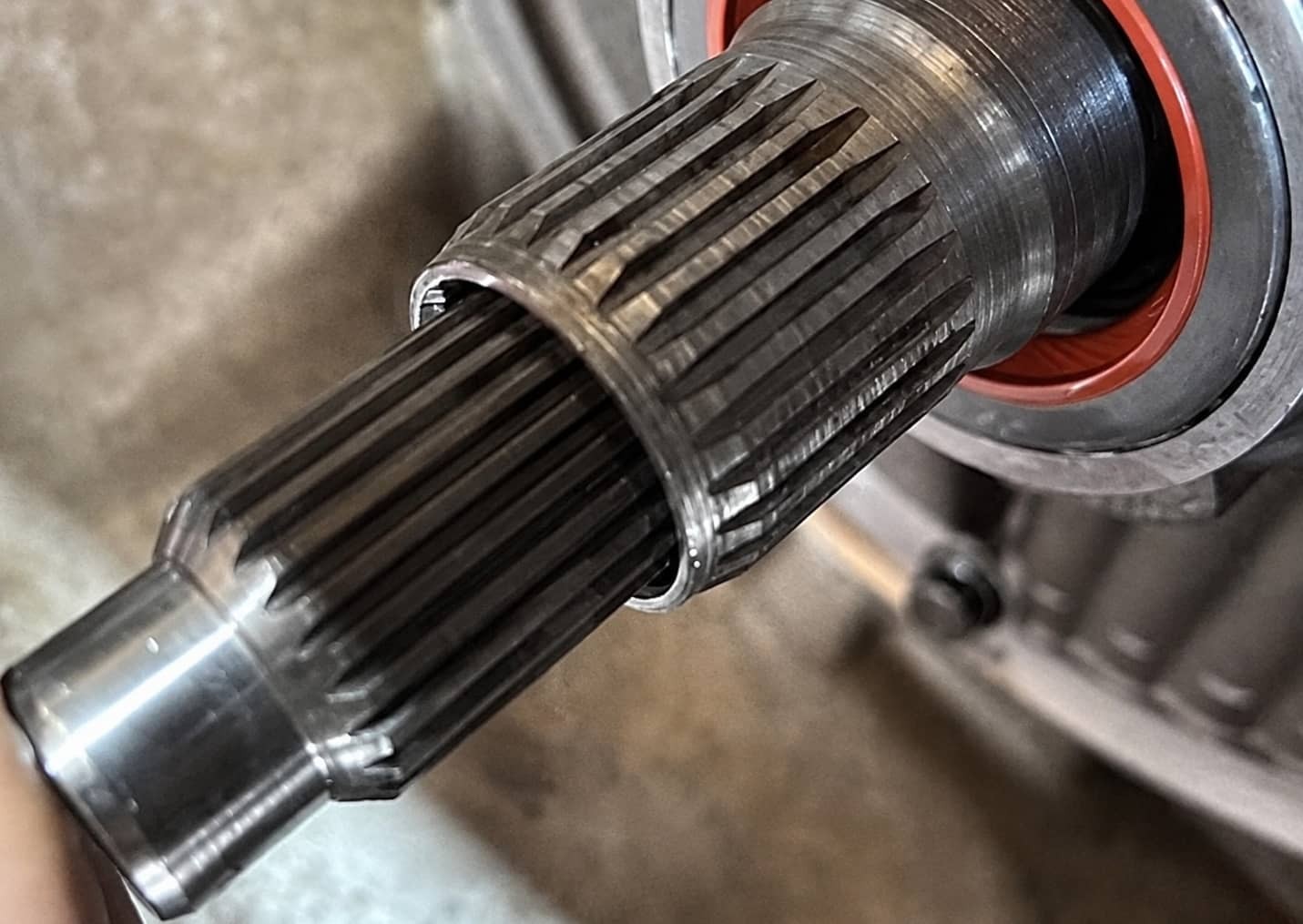
If an old shaft has been in service for years, the present spline dimensions may no longer represent the original design. Tooth flanks can wear, bearing seats can change, and keyways may show damage. Measuring the worn part and copying every dimension directly can therefore create another part that does not fit correctly.
Review the Worn Part in Context
When possible, the old shaft should be reviewed together with its mating part, equipment information, photos, and assembly feedback. These extra references often explain whether a measured clearance is part of the original design or simply the result of wear.
What Should Buyers Check on a Gear Shaft?
A gear shaft needs two groups of information: the gear data and the shaft data.
For the gear section, the drawing may need to define module or DP, tooth count, pressure angle, helix angle, face width, tooth thickness, accuracy requirements, and mating-gear information.
The rest of the shaft can be just as important. Bearing seats, seal areas, shoulders, threads, grooves, journals, and other mounting features determine how the shaft sits in the assembly.
For high-speed, heavy-load, or noise-sensitive applications, checking the gear teeth alone is not enough. A good tooth form does not correct a shaft with poor runout or an incorrect bearing-seat relationship.
Spline Shaft vs Gear Shaft: Key Differences
| Compare | Spline Shaft | Gear Shaft |
|---|---|---|
| Main function | Transfers torque through a spline connection | Participates in gear meshing |
| Key feature | Spline fit area | Gear teeth combined with shaft features |
| Typical mating part | Hub, coupling, gear, sleeve | Mating gear, bearings, housing |
| Main data | Spline type, tooth data, fit, length | Gear data, shaft dimensions, runout |
| Common concern | Clearance, wear, sliding and fit | Meshing, accuracy, noise and runout |
| Inspection focus | Spline size, fit and shaft dimensions | Tooth geometry, runout and shaft datums |
| Typical part | PTO shaft, sliding shaft, connecting shaft | Pinion shaft, transmission gear shaft |
The table is useful for identification, but it should not replace drawing review. A shaft with both spline and gear sections may need both types of inspection.
When Do You Need a Spline Shaft, and When Do You Need a Gear Shaft?
Mainly a Spline Shaft
If the part mainly connects two components and transfers torque through a hub, sleeve, or coupling, it is usually closer to a spline shaft. PTO shafts, sliding shafts, and transmission shaft-end splines are common examples.
Mainly a Gear Shaft
If the part directly meshes with another gear and controls a speed ratio or transmission stage, it is closer to a gear shaft. Pinion shafts, helical gear shafts, transmission gear shafts, and reduction gear shafts fall into this group.
One Shaft Does Both
When a drawing contains a gear section and a spline section, simply writing “shaft” on an RFQ leaves too much open to interpretation. Mark which area is the spline, which area meshes with another gear, what the mating parts are, and which dimensions cannot change.
What Information Should Buyers Provide Before Quotation?
A supplier can usually review a project faster when the RFQ contains enough information to understand both the part and its working relationship with other components.
| Information | Why It Matters |
|---|---|
| 2D drawing or 3D model | Shows structure, dimensions, tolerances and revision |
| Spline data | Defines spline geometry and fit |
| Gear data | Defines tooth form and meshing requirements |
| Mating-part information | Helps review fit and meshing conditions |
| Material and heat treatment | Affects the manufacturing route and final properties |
| Accuracy and runout | Defines important manufacturing and inspection limits |
| Old sample or photos | Useful for replacement and identification work |
| Inspection requirements | Clarifies which checks and reports are needed |
PairGears has a separate custom gear quote guide covering the information normally needed before quotation.
What If There Is No Complete Drawing?
A missing drawing does not always stop an initial review, but it changes the amount of information required.
An old sample, mating-part photos, equipment model, OEM number, and working conditions can provide useful clues. Photos alone are rarely enough for final manufacturing confirmation because they cannot define tooth geometry, fits, tolerances, or material condition.
For a replacement project, sample measurement or reverse engineering may be needed before the drawing and quotation basis can be finalized.
What Are Common Sourcing Mistakes?
Calling Everything a “Shaft”
The word is too general. A supplier still needs to know what the part actually does. A shaft that connects through splines is reviewed differently from one whose gear teeth mesh directly with another gear. If both functions are present, both need to be identified.
Sending Photos but No Tooth Data
Photos are useful for recognizing the basic structure. They do not confirm pressure angle, module, DP, tooth thickness, spline fit, or other tooth details. If the customer has no drawing, sample measurement may be a better starting point than trying to estimate these values from photos.
Ignoring the Mating Part
Many fit and meshing problems are not caused by one component alone. For a spline shaft, the mating hub or sleeve may be relevant. For a gear shaft, the mating gear, bearings, housing, and installation condition can change how the part performs.
Copying a Worn Sample Without Reviewing Wear
An old sample is valuable, but it is not automatically the original design standard. Wear on spline teeth, gear teeth, journals, or keyways can change the dimensions that are measured today. Those areas need to be judged before a replacement drawing is confirmed.
Leaving Heat Treatment and Inspection Until the End
Material, hardness, case depth, gear accuracy, spline inspection, and shaft runout can all affect the process route and quotation. If specific reports are required, define them during the RFQ stage rather than after the parts are finished. PairGears' article on gear inspection before shipment explains the main items buyers can confirm in advance.
How Does PairGears Review Spline Shaft and Gear Shaft Projects?
Review How the Part Works
For both spline and gear shaft projects, the review starts with how the part works in the assembly. In custom precision gear and shaft manufacturing, spline shafts are usually checked for spline form, tooth data, fit length, mating condition, wear, and whether the connection is fixed or sliding.
Check Gear-to-Shaft Relationships
Gear shaft projects require more attention to the relationship between the gear teeth and the rest of the shaft, including gear parameters, bearing seats, datums, runout, heat-treatment distortion, and inspection requirements.
Match the Review to Available Data
The review also depends on what information is available. A complete drawing can usually move directly into manufacturability and quotation review, while a worn sample may need to be measured and compared with the mating component first. For more complex shafts, a sample or first-article check may be needed before repeat production.
FAQ About Spline Shafts and Gear Shafts
Are spline shafts and gear shafts the same part?
No. A spline shaft mainly uses splines to connect with another part and transfer torque. A gear shaft uses gear teeth to mesh with another gear. Some transmission parts include both.
Can you quote with photos only?
Photos can be used for an initial review, but they usually do not provide enough information for final quotation or production. Key dimensions, tooth data, material, heat treatment, quantity, and inspection requirements may still be needed.
Can a gear shaft have splines?
Yes. It is common for a transmission shaft to have a gear section and one or more spline sections. In that case, both gear data and spline data need to be reviewed.
What should be inspected on a spline shaft?
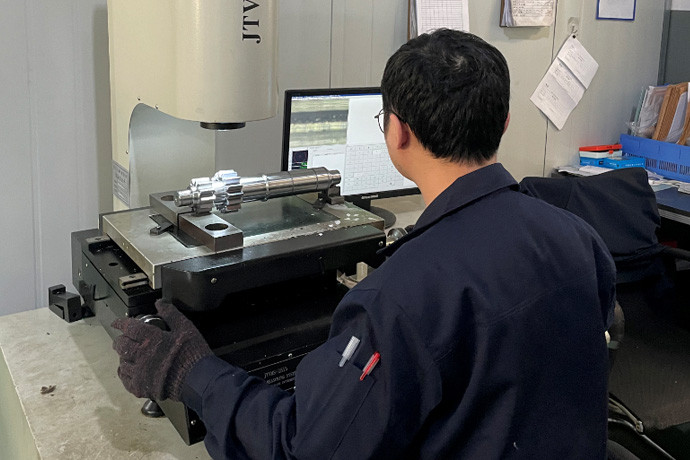
Typical checks include spline dimensions, measurement over pins or balls where applicable, fit length, runout, hardness, journal dimensions, and mating fit.
What should be inspected on a gear shaft?
Depending on the drawing, inspection may include tooth profile, lead, runout, tooth thickness, bearing-seat dimensions, coaxiality, hardness, and heat-treatment results.
Conclusion
The difference between a spline shaft and a gear shaft is more than a naming issue. A spline shaft is mainly concerned with connection, torque transfer, and fit. A gear shaft adds the requirements of gear meshing, shaft datums, runout, and tooth inspection.
When sourcing either type, start with the function of the part and the information you already have.
Send Your Shaft Project for Review
If your project involves a spline shaft, gear shaft, or a shaft with both gear and spline sections, contact us with the drawing, sample photos, tooth data, material requirements, and quantity for quotation or further technical review.