How to Choose the Right Sprocket for a Roller Chain
- Share
- publisher
- PairGears
- Issue Time
- Sep 3,2026
Summary
Learn how to choose a roller chain sprocket by checking pitch, tooth count, bore, strand type, material, mounting details and wear condition.
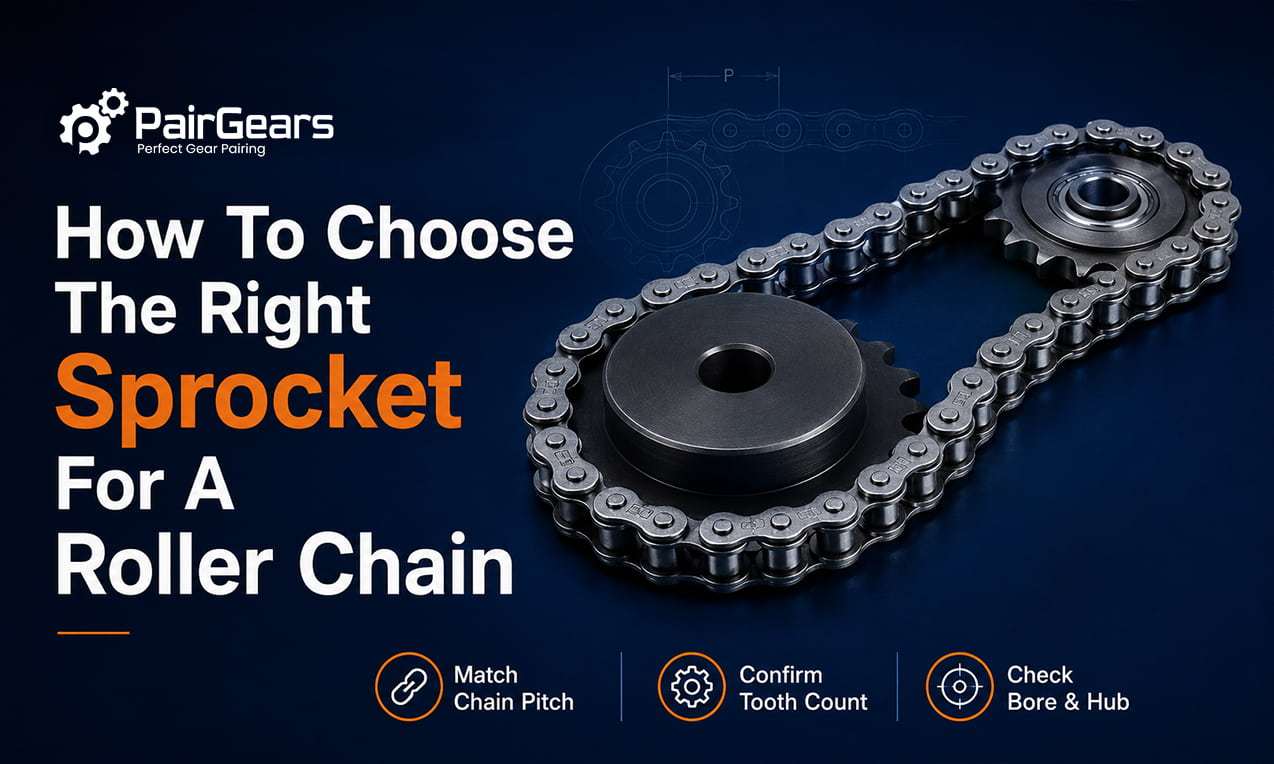
A roller chain sprocket looks simple until a custom part has to fit an existing chain drive. Two sprockets can have a similar outside diameter and the same number of teeth, yet behave very differently once the chain is installed. Pitch, roller size, bore, hub geometry and chain condition all influence whether the drive runs smoothly.
For custom transmission parts, PairGears reviews the sprocket together with the chain and mounting arrangement rather than treating it as an isolated component. If you are comparing a precision gear manufacturer for a sprocket project, the useful question is not only “Can you make this part?” but also “What information will you check before production?”
What Is a Roller Chain Sprocket?
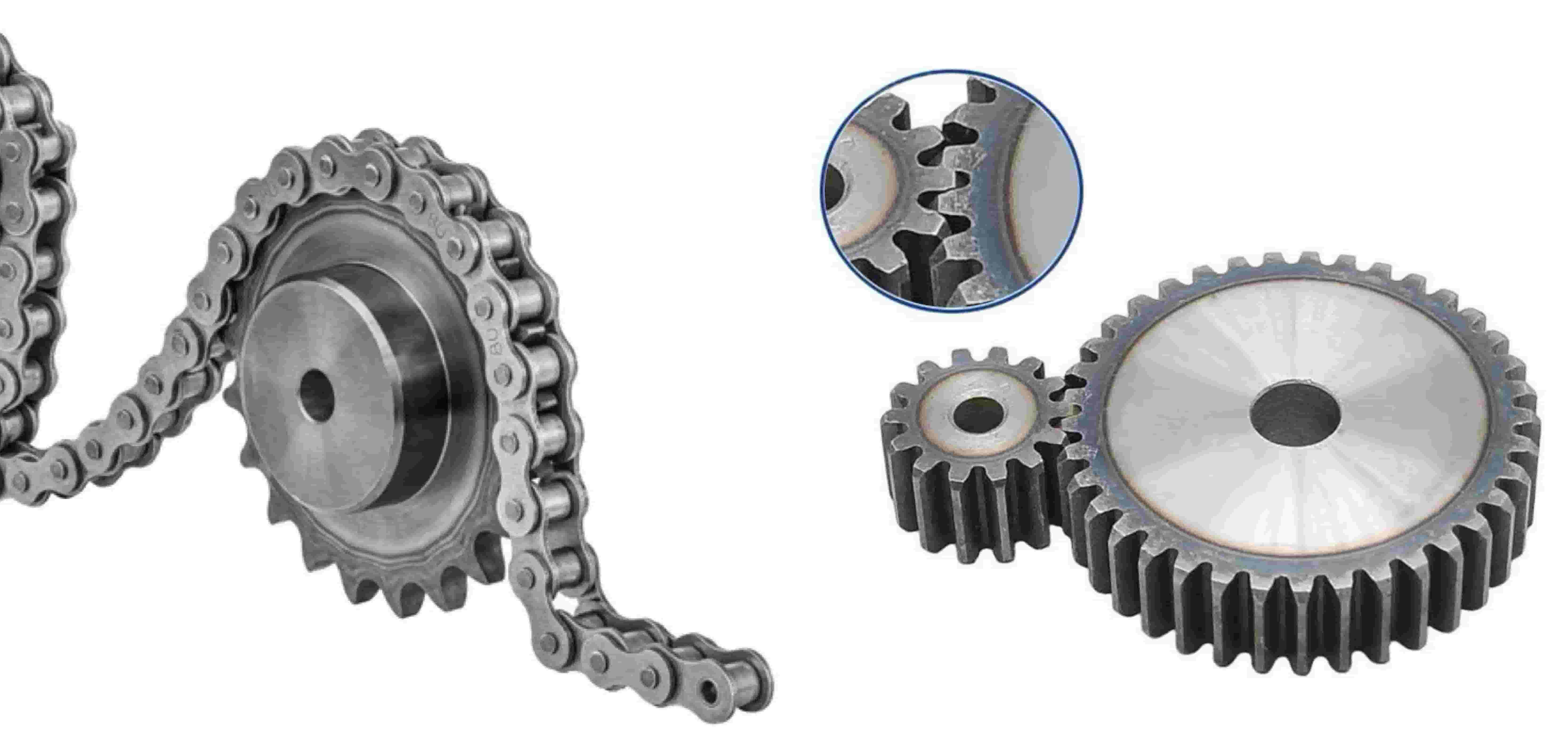
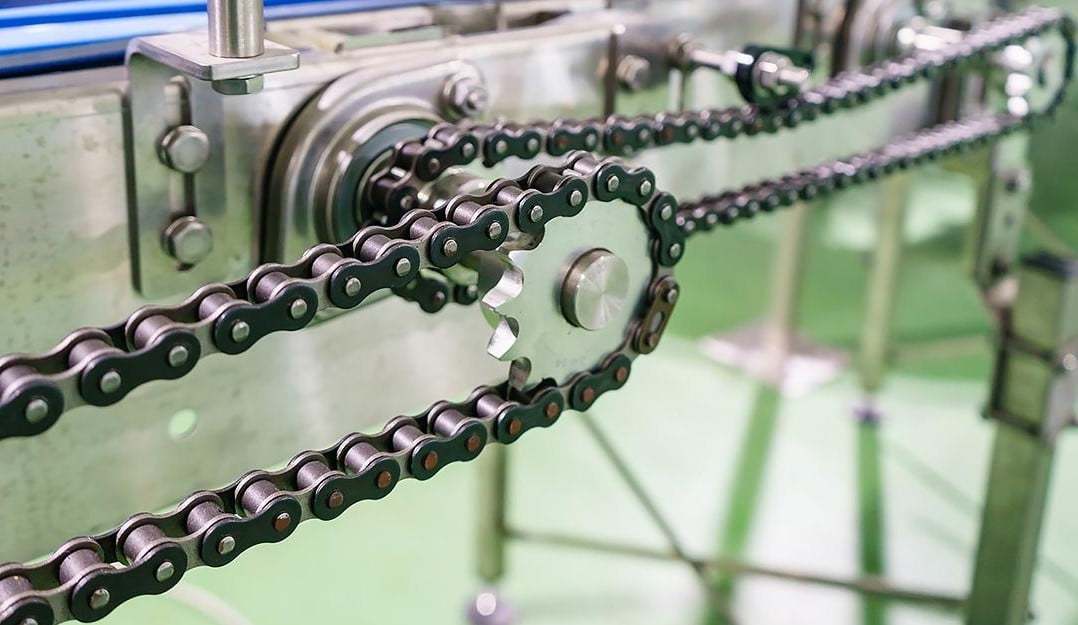
A roller chain sprocket is a toothed wheel designed to engage with a roller chain and transfer rotary motion between shafts. Unlike two gears that mesh directly, a sprocket transmits motion through the chain. The tooth spaces must accept the rollers correctly, while the bore and hub must fit the shaft and surrounding assembly.
Sprocket
Transfers motion through a matched chain. Chain pitch, roller size and strand type determine whether the chain seats correctly on the sprocket.
Gear
Transfers motion by meshing directly with another gear. Tooth geometry, module or DP, pressure angle and mating-gear data define the mesh.
For buyers comparing sprockets vs gears, the main difference is the transmission method. Gears mesh directly with another gear, while sprockets work through a matched chain.
How Do You Choose the Right Sprocket?
Start with the chain specification, then work outward to the sprocket and shaft connection.
Start With the Chain
Confirm chain pitch, roller diameter, chain width and single-, double- or multi-strand configuration.
Confirm the Sprocket
Check tooth count, hub arrangement, material, heat treatment and the condition of the existing sprocket.
Confirm the Shaft & Drive
Review bore, keyway, mounting direction, load, speed, lubrication and surrounding installation space.
At a minimum, confirm chain pitch, roller diameter, tooth count, strand type, bore, keyway and hub arrangement. For a custom part, also review material, heat treatment, operating load, speed, lubrication and installation space.
If the sprocket comes from older equipment, do not copy the worn part blindly. Check whether the chain has elongated, whether the mating sprocket is also worn, and whether the original component may have been modified during earlier repairs.
Why Sprocket Selection Is More Than Tooth Count
Tooth count matters because it affects ratio, speed and sprocket size, but it does not define the sprocket by itself.
A sprocket with the correct tooth count but the wrong pitch will not seat the chain correctly. The right pitch with the wrong bore may fit the chain but not the shaft. A correct bore with the wrong hub orientation can create an interference problem during assembly.
For existing machines, center distance and shaft position are usually fixed. “Same diameter” or “same number of teeth” is therefore not enough to confirm a replacement sprocket.
Check the Chain Before the Sprocket
The chain is the best starting point because it determines the basic tooth spacing and engagement geometry.
Chain Pitch
Pitch is the center-to-center distance between adjacent chain pins. It is the first dimension to confirm because the sprocket tooth spacing must match it. If the chain model is unknown, measure the pitch carefully and provide close-up photos of the chain and existing sprocket.
Roller Diameter and Chain Width
Pitch alone does not describe every chain detail. Roller diameter and inner width affect how the chain sits on the sprocket and how much clearance is available around the teeth.
Single, Double or Multiple Strand
A single-strand sprocket is not interchangeable with a double- or multi-strand version simply because the pitch is the same. For multi-strand drives, also check strand spacing, total width and hub position.
Confirm Tooth Count and Drive Ratio
Tooth count affects the transmission ratio, chain speed and sprocket size. In an existing machine, it should normally be treated as a controlled parameter rather than something to change casually.
Changing tooth count can alter output speed and chain length. For maintenance work, confirm the original tooth count before ordering.
Do Not Overlook Bore, Keyway and Hub Details
A sprocket can be correct at the teeth and still be unusable if the shaft connection is wrong.
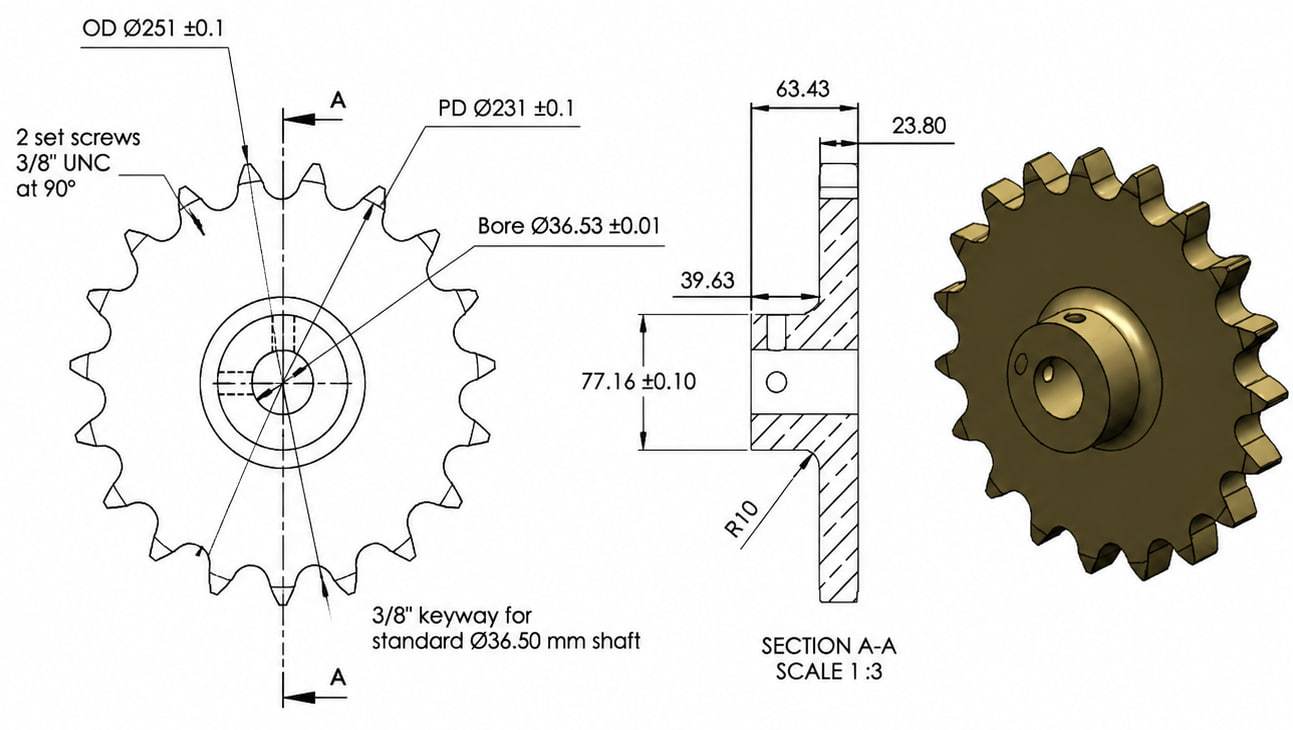
Important mounting details include:
- finished bore diameter;
- keyway width and depth;
- hub outside diameter and length;
- hub on one side or both sides;
- set-screw or locking-hole position;
- taper bore, spline or other special connection;
- mounting direction and nearby clearance.
For sample-based projects, photograph both sides of the sprocket and the installed position.
How Should Material and Heat Treatment Be Chosen?
Material and heat treatment should follow the operating conditions, not a simple “harder is better” rule.
A lightly loaded, slow-speed drive may not need the same tooth hardness as a heavily loaded chain running continuously in dust. Impact loading, lubrication, contamination and duty cycle all affect the practical choice.
Material and heat treatment should therefore be reviewed together with load and service conditions.
A custom gear supplier handling sprocket projects should also ask why the original sprocket failed. Changing material alone will not fix a drive that is misaligned or running with an elongated chain.
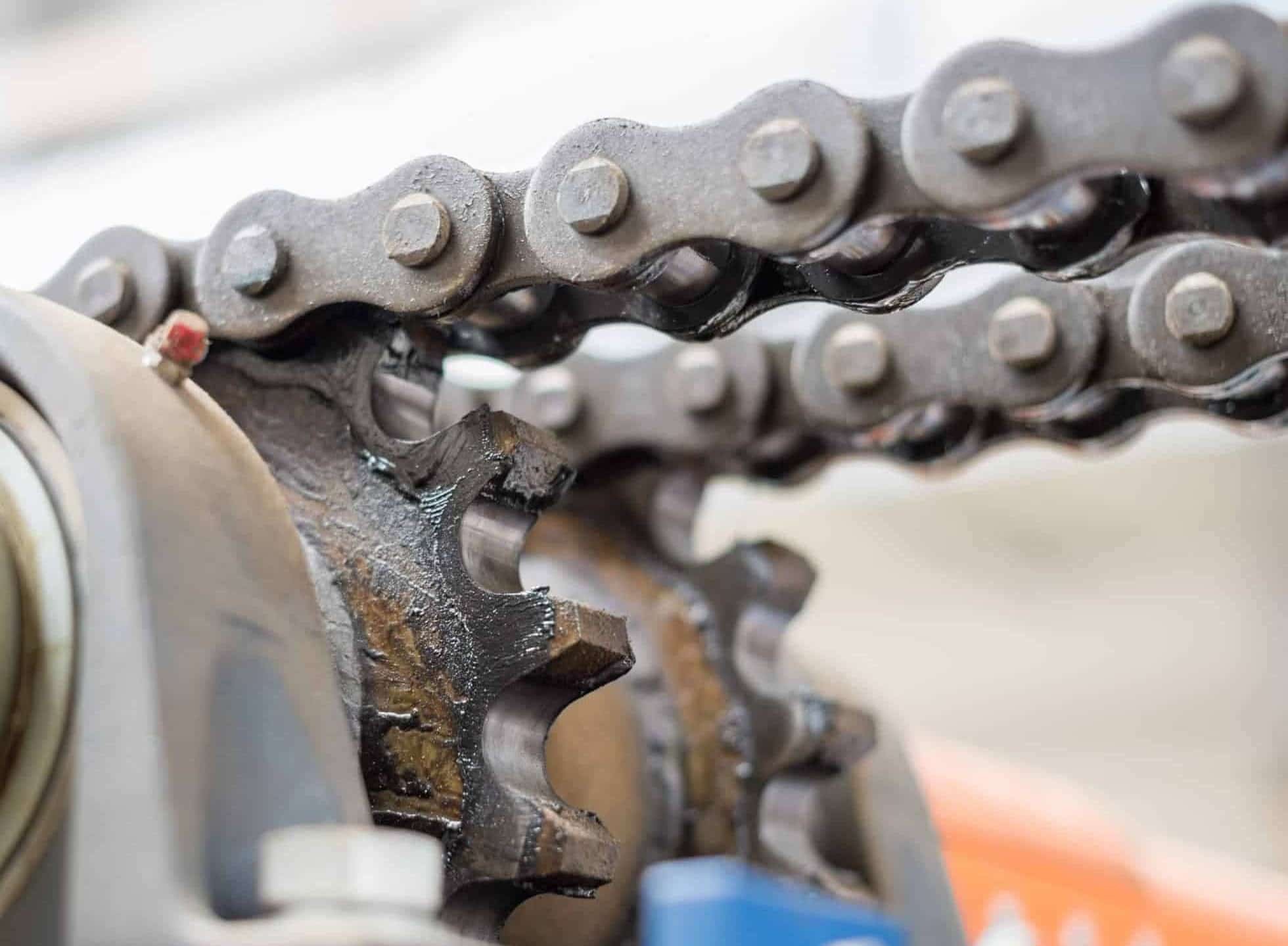
Check the Condition of the Existing Drive
A new sprocket may wear quickly if it is installed with a badly worn chain or mating sprocket.
Look for:
- hooked or pointed sprocket teeth;
- widened or uneven tooth spaces;
- visible chain elongation;
- side wear that may indicate misalignment;
- bore or keyway damage;
- signs of poor lubrication or contamination.
Sprocket Selection Checklist
| What to Confirm | Why It Matters |
|---|---|
| Chain pitch | Establishes basic chain and sprocket compatibility |
| Roller diameter / chain size | Affects seating and tooth-space clearance |
| Tooth count | Controls ratio, speed and sprocket size |
| Strand type | Must match single, double or multi-strand chain |
| Bore and keyway | Determines shaft fit and torque transfer |
| Hub arrangement | Affects installation and surrounding clearance |
| Material / heat treatment | Influences strength and wear resistance |
| Existing wear / operating condition | Helps identify chain or alignment issues |
Common Sprocket Selection Mistakes
Choosing by Outside Diameter Alone
Outside diameter is useful as a reference, but it should not be the only basis for identification. Different pitch and tooth-count combinations can create misleading similarities in size.
Installing a New Sprocket on a Worn Chain
A stretched chain no longer engages like a new one. Pairing it with a new sprocket can cause uneven contact and faster wear.
Changing Tooth Count Without Reviewing the System
A tooth-count change affects ratio and may also affect chain length, center distance or tension. It should be treated as a design change.
Copying a Damaged Sample Without Question
Old sprockets may have worn teeth, damaged bores, welded repairs or previous modifications. Reverse engineering should separate original geometry from service damage.
Focusing on Teeth and Forgetting the Hub
Bore, keyway, hub length and mounting direction are often the dimensions that decide whether the sprocket can actually be installed.
What Information Should You Send for a Custom Sprocket?
A complete drawing is ideal, but a review can also begin with measurements and clear photos.
Send as much of the following as possible:
- chain model or pitch;
- chain standard, if known;
- roller diameter and chain width;
- tooth count;
- outside diameter;
- bore and keyway dimensions;
- hub diameter and length;
- strand type;
- material or hardness information, if known;
- machine model and sprocket position;
- operating load, speed and environment;
- required quantity;
- photos of the sprocket, chain and installation area.
If there is an old sample, include photos before repair or rework.
How PairGears Reviews a Custom Sprocket Project
The review starts by confirming what the sprocket has to match: the chain, the shaft and the surrounding drive.
Confirm the Chain
Review pitch, roller size, strand type and the condition of the existing chain.
Confirm the Sprocket & Shaft
Check tooth count, bore, hub, mounting details, material requirements and sample wear.
Resolve Missing Information
For sample-based projects, use measurement and wear assessment before production rather than assuming missing geometry.
For a drawing-based part, this means checking chain specification, tooth count, bore, hub and material requirements. A sample-based part may also need dimensional measurement and wear assessment.
Where information is incomplete, uncertain points should be resolved before production rather than assumed from a worn sample. This is also why the full gear manufacturing process should be reviewed before a custom sprocket moves into production.
FAQ About Roller Chain Sprockets
How do I know which sprocket fits my roller chain?
Identify the chain first. Confirm the chain pitch, roller diameter and strand type, then match the sprocket tooth count, bore and mounting details.
Can two sprockets with the same tooth count use different chains?
Yes. Tooth count alone does not define chain compatibility. Chain pitch and roller dimensions must also match the sprocket tooth form.
Should I replace the chain when I replace a worn sprocket?
It depends on the chain condition. If the chain is elongated or heavily worn, installing it on a new sprocket can shorten the sprocket’s service life.
Can a sprocket be made from an old sample without a drawing?
Often yes, provided the sample contains enough usable geometry and the chain and mounting information can be confirmed. Worn or repaired areas should be identified first.
What should I send for a sprocket quotation?
Send the drawing if available. Otherwise provide sprocket photos, chain size, tooth count, bore, keyway, hub dimensions, strand type, quantity and application details.
Conclusion
Choosing the right roller chain sprocket starts with understanding what it has to work with. The chain size, tooth count, shaft connection and installation position are more useful than relying on one or two visible dimensions. On older machinery, wear patterns, alignment and the condition of the existing chain can also reveal whether simply copying the old part is enough.
If you have a drawing, worn sprocket, chain number or only a few clear photos, these can still be used as a starting point for review.
Start With the Chain, Then Confirm the Sprocket
Contact us to send your drawing, sprocket photos, chain size, tooth count, bore details or OEM part number for a sprocket quotation.