How to Choose the Best Precision Gear Manufacturer
- Share
- publisher
- Jessica
- Issue Time
- Mar 9,2026
Summary
Choose the best precision gear manufacturer by matching real operating conditions to tolerance needs, then compare suppliers with clear checks.
1. Introduction
In precision power transmission sourcing, “Can you make this gear?” is only the starting point. The real question is whether a supplier can deliver stable tooth geometry, controlled heat treatment outcomes, and repeatable inspection results—so parts assemble smoothly and perform consistently across batches.
At PairGears, we manufacture custom precision gears and gear sets for Agricultural Machinery, Heavy Trucks, Construction Equipment, and EV drivetrains. As a precision gear manufacturer and custom gear supplier, we use a practical, evidence-based approach. This guide provides a framework for evaluating precision gear suppliers and includes a reference shortlist.
2. What a Precision Gear Manufacturer Is
A precision gear manufacturer is a supplier that can repeatedly produce gears to defined geometry, material, and verification requirements at the needed scale.
3. Why the "best" supplier is project-specific
"Best" is project-specific. Before comparing suppliers, clarify your system priority: cost, precision, durability, or throughput. A prototype-friendly shop may be ideal for fast design iterations, while a high-repeatability producer is essential for stable production orders.
Most late-stage problems do not come from a single dimension on a drawing—they come from relationships that drive meshing under load: tooth profile and lead, pitch variation, runout to mounting datums, and distortion after heat treatment. When these drift, you get unit-to-unit scatter: one assembly runs fine while another feels rough, runs hotter, or shows a different contact pattern.
A practical evaluation method reduces risk early. If a supplier can explain the process route (cut → heat treat → finishing), define what will be inspected, and show how changes are controlled across repeat orders, you usually prevent the costliest failures: scrap at the final stage and unstable performance in service.
4. Types of precision gear suppliers
| Supplier type | Best fit | Strengths | Main watch-outs |
| Prototype & low-volume specialist | Early development, custom one-offs | Fast turnaround, flexible tooling and changes | Scaling repeatability may require route updates |
| High-repeatability production supplier | Repeat orders and second-source planning | Process discipline, controlled variation, stable outputs | Less flexible for late redesign |
| High-accuracy finishing capability | Tight geometry programs | Hard finishing + metrology strength | Higher cost if over-specified |
Gear-set/system supplier | Matched sets and interface-sensitive builds | Datum chain control across parts | Needs clear definitions of datums and acceptance checks |
If you're validating a new design, prioritize fast DFM and clear feedback over broad "maximum capability" claims. Then, as you scale repeat orders, prioritize repeatability systems—tool life management, change control, and lot traceability.
Meanwhile, match supplier strengths to your limiting factor: if post-heat geometry drives risk, finishing and metrology are decisive; if mating interfaces drive scatter, choose a gear-set supplier that controls datums across parts.
5. A practical company shortlist (no ranking):
Use the shortlist below as a benchmarking set. Always validate fit against your own drawings, volume plan, and acceptance criteria. Different suppliers may be "best" for different programs.
● Focus: Custom precision gears and gear sets for Agricultural Machinery, Heavy Trucks, Construction Equipment, and EV drivetrains.
● When to consider: Programs needing repeatable batches, clear inspection scope, and a practical route from RFQ to samples.

● Focus: Custom precision gears, with emphasis on fine and medium pitch manufacturing.
● When to consider: Programs needing a dedicated precision gear producer with consistent output.

5.3 ITAMCO (USA)
● Focus: Precision gears and splines for demanding applications.
● When to consider: Projects where gear + spline capability and interface control matter.

● Focus: Precision gear manufacturing for industrial applications.
● When to consider: Custom precision programs where controlled manufacturing and stable quality are priorities.
● Focus: Stock gear offerings with broad selection.
● When to consider: Standard gear sourcing, prototyping with off-the-shelf parts, or when availability matters.

● Focus: Customized gear technology and drive components.
● When to consider: Projects needing application-focused gear solutions and engineering support.

● Focus: Precision gears with long-term specialization in manufacturing.
● When to consider: Programs requiring stable precision production experience and process capability.

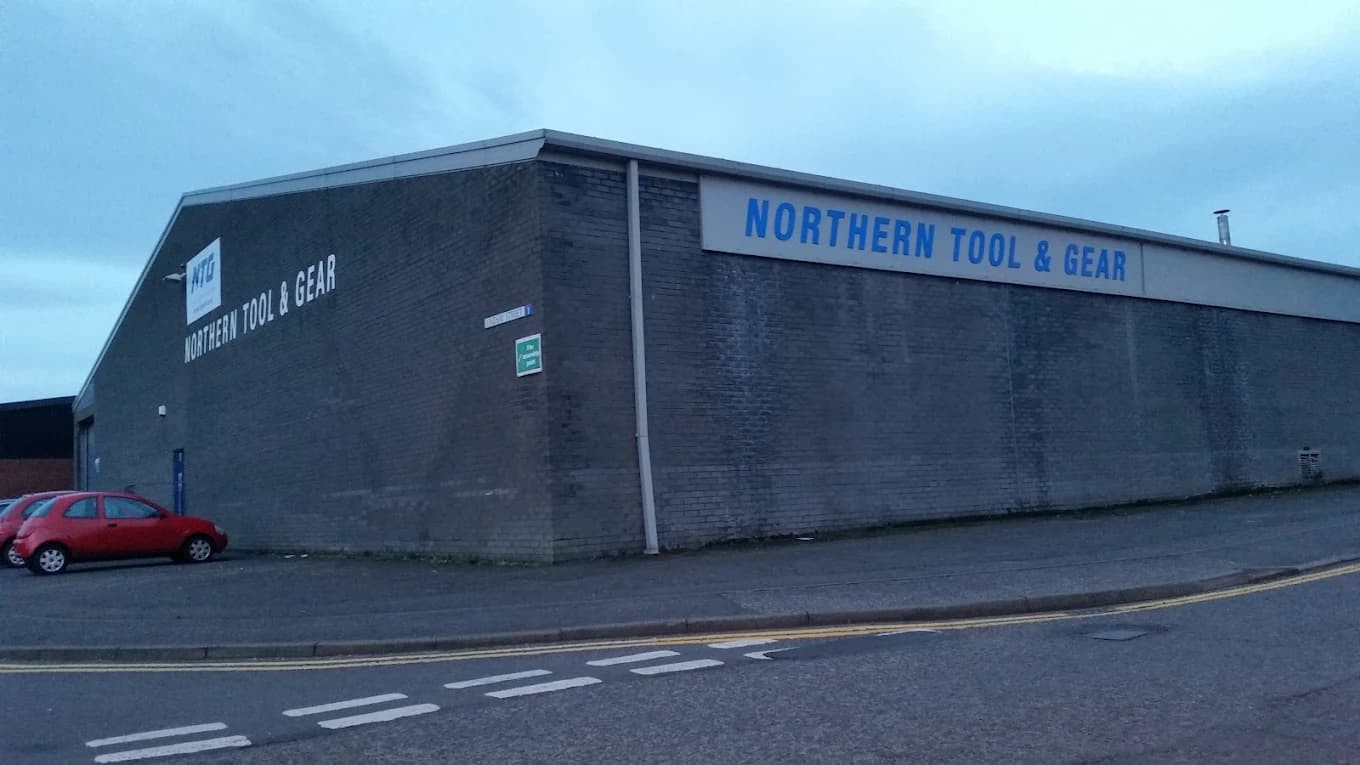
5.8 NT Gear (UK)
● Focus: Custom gears and shafts, including bevel gears.
● When to consider: Custom gear and shaft needs where practical manufacturing support and consistent processes are required.
● Focus: Drive technology and a broad range of gear-related components.
● When to consider: Projects needing a wide range of drive components from standard to customized parts.

● Focus: High-precision and small gear manufacturing.
● When to consider: Small/precision gear programs where fine features and controlled processes are critical.

6. Who should use this checklist
● Agricultural Machinery
Long duty cycles and mixed loads; priority is durability and stable assembly across repeat orders.
● Heavy Trucks
High torque density and long-life targets; datum control and post-heat stability reduce warranty risk.
● Construction Equipment
Shock loads and harsh environments; toughness plus distortion control and verification prevent early failures.
● EV Drivetrains
Higher speed and compact packaging; tighter geometry windows make repeatability and inspection alignment critical.
7. What to evaluate in a precision gear manufacturer
| Evaluation area | What to verify | Why it matters |
Gear geometry capability | Profile/lead, pitch, runout to datums (as specified) | Drives meshing stability and assembly consistency |
Heat treatment control | Case/core intent, distortion plan, records (as required) | Prevents life scatter and late-stage scrap |
Metrology and gear inspection | How items are measured and reported | If you can't measure it, you can't control it |
Datum strategy | Bore/face/seat relationships and how they're protected | Controls contact pattern and unit-to-unit variation |
Process repeatability | Tool life, fixtures, change control, lot traceability | Protects repeat orders from drift |
| DFM and risk review | Early feedback on risk points and assumptions | Prevents expensive redesign loops |
| Delivery stability | Capacity plan, lead time discipline, packaging/protection | Keeps projects stable as volume scales |
Many buyers start with a gear supplier checklist that includes:
(1) geometry items tied to function (profile/lead/runout),
(2) material and heat-treat confirmation (hardness and case depth when required)
(3) traceability for repeat orders.
The goal is to keep approval fast while protecting the parameters that drive assembly stability.
8. Benefits of choosing the right supplier match
| Benefit | What improves | Outcome |
Fewer assembly surprises | Stable runout and geometry | Less rework and faster builds |
| More predictable durability | Heat treat + geometry aligned to duty cycle | Lower downtime and warranty exposure |
| Higher batch consistency | Controlled variation with aligned inspection | Repeatable field performance |
| Faster root-cause closure | Measurable checks and traceability | Shorter disruption time |
Lower total cost | Less scrap and re-qualification | Better lifecycle cost, not just piece price |
In practice, the best supplier match often reduces total cost even if the unit price is higher—because it prevents late-stage scrap, assembly rework, and repeated re-qualification. For heavy-duty equipment, stability is usually cheaper than variability.
9. Supplier selection advice
Use the points below as a gear supplier checklist for RFQ and supplier comparison:
● Start with your risk priority (wear/pitting, tooth breakage, distortion, noise/feel, delivery). Ask each supplier how they control that specific risk.
● Request a measurable acceptance plan: which checks will be used (e.g., profile/lead/runout/hardness) and how results will be reported for approval and repeats.
● Validate datum logic: confirm which surfaces locate the gear in assembly and how those datums stay stable through heat treatment and finishing.
● Compare suppliers with the same inputs: same drawing revision, duty cycle notes, target grade, and reporting format—otherwise quotes are not comparable.
● Ask for evidence, not promises: a sanitized sample report or inspection example is often the fastest capability indicator.
10. Why Choose PairGears
● Four-sector application focus: Agricultural Machinery, Heavy Trucks, Construction Equipment, and EV drivetrains.
● Practical DFM review: we flag manufacturability and risk points early (datums, distortion, inspection alignment).
● Repeatability mindset: we prioritize stable geometry and assembly behavior across batches, not just passing a few dimensions.
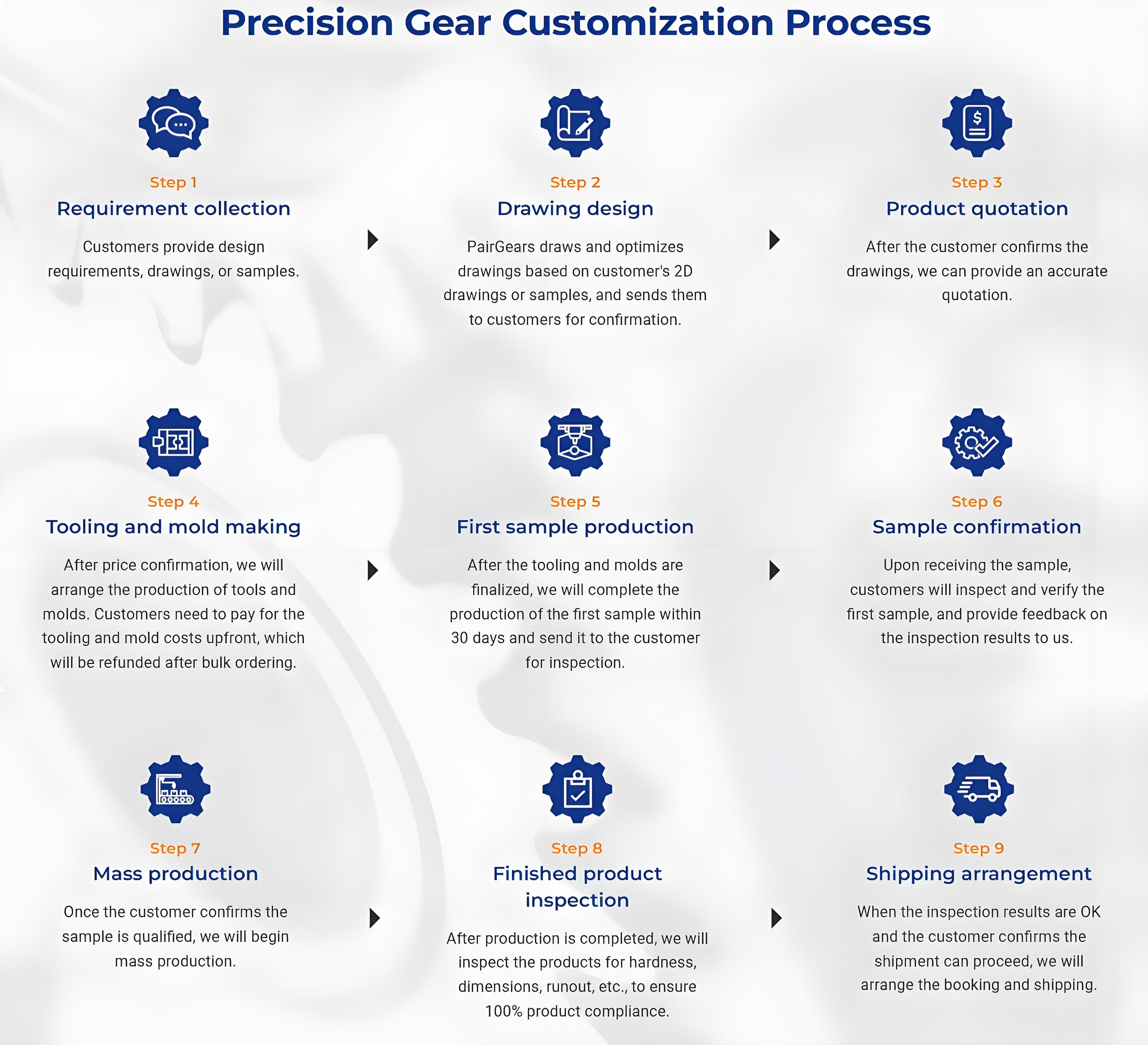
● Clear RFQ workflow: drawing/sample/OEM reference plus duty cycle → route recommendation + quote range.
● Project-aligned gear inspection (as specified): support the checks that matter to approval and repeat orders.
11. FAQ
Q1: What Makes A Manufacturer "Precision" In Practice?
Consistent control of tooth geometry and mounting datums across batches, supported by capable inspection and repeatable process control.
Q2: Should I Choose A Supplier Based On The Tightest Grade They Claim?
Not alone. Choose based on whether they can meet your functional checks (geometry, datums, and heat treat intent) with repeatable evidence.
Q3: What Should I Include In An RFQ To Get A Meaningful Quote?
A drawing or OEM number, duty cycle (torque/speed/shock), target grade, volume plan, and which datums matter for assembly.
Q4: How Do I Reduce "One Unit Good, One Unit Bad" Variation?
Focus on runout to datums, profile/lead stability, distortion planning, and consistent inspection reporting across lots.
Q5: What Is The Fastest Fair Way To Compare Suppliers?
Use the same acceptance criteria and request the same evidence package (measurement items and reporting format) from each supplier.
12. Conclusion
The best precision gear manufacturer is the supplier that matches your duty cycle and tolerance targets with proven risk control. A shortlist helps—but a structured evaluation is what prevents late surprises.
If you have a drawing, sample, or OEM number, Contact us and share your duty cycle and target requirements, and we’ll help confirm a practical route and inspection plan for stable, repeatable production.
Sample Content