Hot vs Cold Forging for Gear Blanks: A Factory Guide
- Share
- publisher
- Jessica
- Issue Time
- Jan 7,2026
Summary
Hot vs cold forging for gear blank forging: choose the right method, control runout and allowance, manage heat-treat distortion, pass final inspection.
1. Introduction
In gear manufacturing, it's easy to focus on the final gear grade, noise, and service life. On the factory floor, we see a different reality: many "precision" problems start at the blank stage. If your gear blank forging route produces inconsistent runout, uneven stock allowance, or unstable surfaces, every downstream step becomes harder—turning datums drift, gear cutting becomes less predictable, and heat treatment distortion becomes tougher to recover.
At PairGears, we work with drivetrain components used in agricultural machinery, heavy-duty truck, construction equipment, and Ev systems. This article explains hot forging vs. cold forging in plain, using a shop-floor lens: what each method is good at, what can go wrong, and how we reduce risk from blank acceptance to final inspection—so your project can move from prototype to repeatable production.
2. What Is Forging in Gear Manufacturing?
Forging is a metal forming process that uses compressive force to plastically deform a workpiece into a near-net or semi-net shape.
3. Why Gear Blank Forging Matters for Accuracy and Cost
3.1 Your blank decides your machining stability
Even before gear cutting, most precision work starts by establishing stable datums (faces, centers, bores, or reference ODs). If the forged gear blank has poor concentricity, uneven allowance, or inconsistent trimming, machining becomes "correction work" not refinement.
3.2 Your blank affects heat treatment recoverability
Heat treatment distortion is normal—especially for carburized and quenched parts. The real question is whether your blank strategy leaves enough controlled stock and stable datums to recover geometry after hardening. A forging route that looks fine at the rough stage can still create large scatter after heat treat.
3.3 Your blank shapes your total cost model
A good forging reduces cutting time and improves yield. A poor forging increases rework, extra inspection, tool wear spikes, and delivery risk. That's why we treat forging choice as an engineering decision, not a purchasing checkbox.
4. Hot Forging vs Cold Forging for Gear Blanks
| Type | What it means on the shop floor | Typical best fit | Common risks |
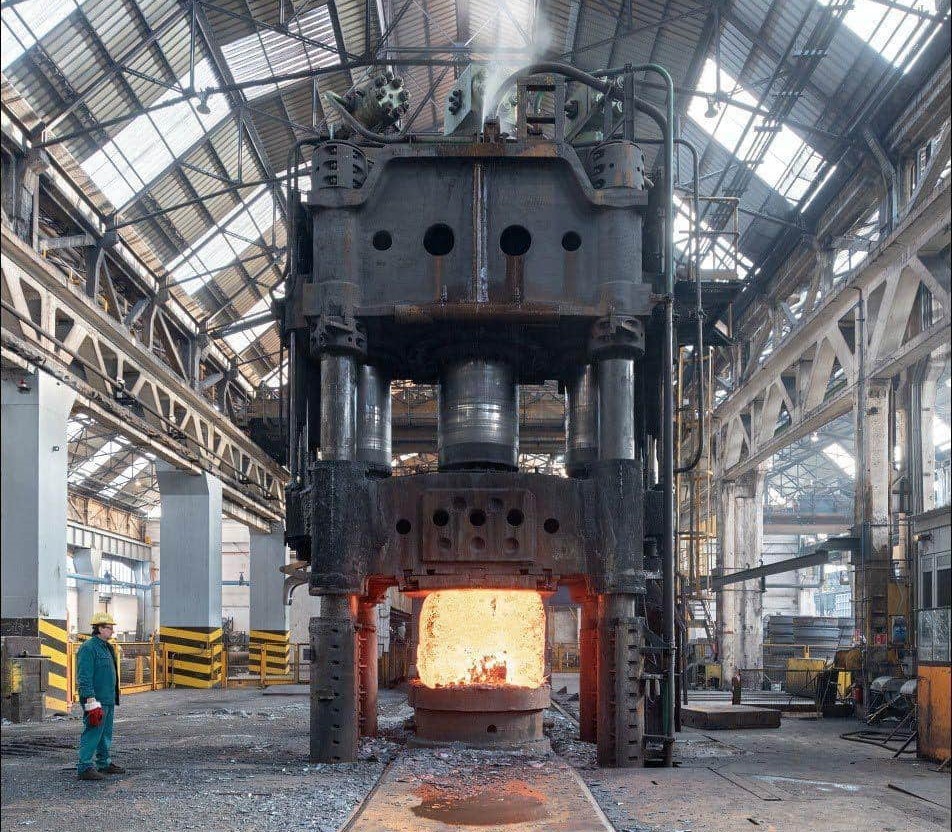
| Hot forging | Material is heated so it flows into the die more easily | Complex gear blanks, thicker sections, hard-to-form shapes | Scale/decarb, trimming variation, runout baseline, allowance uniformity |
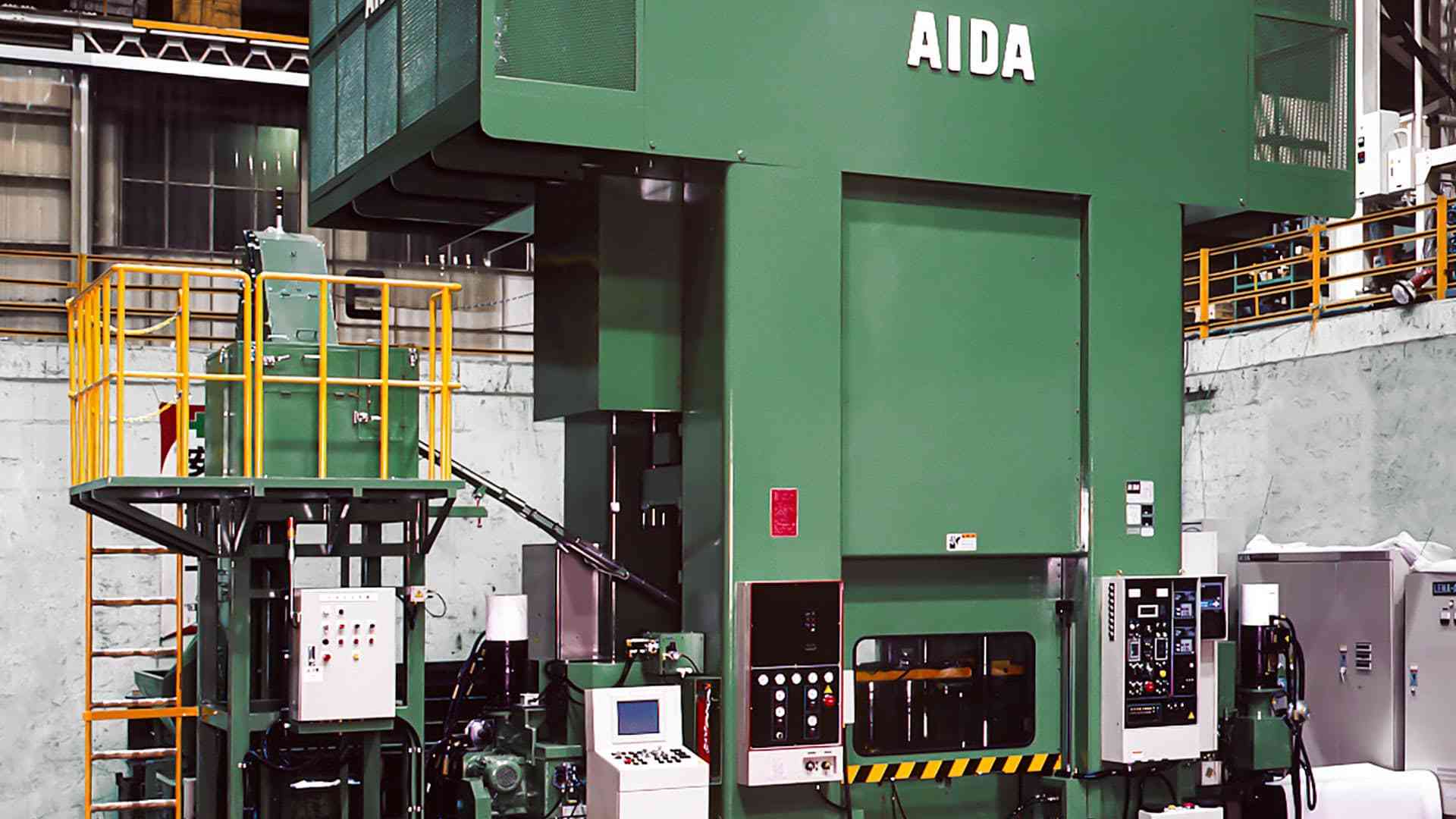
| Cold forging | Forming at/near room temperature with higher forces | Stable geometry, high repeatability, high volume | Tool wear drift, lubrication consistency, residual stress, forming marks |
5. Who Uses Hot or Cold Forging
● Procurement & supply chain teams: target stable unit cost and repeatable supply for forged gear blanks
● Drivetrain design engineers: need predictable fit, durability, and stable load paths
● Quality and manufacturing engineers: must align process capability with acceptance and measurement methods
● Rebuilders/service operations: want consistent assembly feel and reliability across batches
6. What Changes on the Shop Floor (Datums, Allowance, Surface)
| Feature | Hot forging | Cold forging |
Forming capability | Strong for complex shapes and difficult fill | Best for simpler, stable geometry |
Starting accuracy | Often needs planned machining allowance | Often tighter repeatability at the formed stage |
| Surface condition | More likely scale; may need cleanup allowance | Cleaner surface; less oxidation |
| Process sensitivity | Heating + forming + trimming drive scatter | Load + lubrication + tool wear drive scatter |
| Volume economics | Works from mid to high volume if controlled | Most attractive at high volume (tooling payback) |
Factory note:
A forging method is not "good" or "bad" by itself. What matters is whether the supplier can repeatedly deliver the same baseline for datums and allowances—because that's what turns into stable machining and stable inspection results.
7. When Hot Forging or Cold Forging Works Best
| Business/engineering goal | Hot forging tends to help | Cold forging tends to help |
Make complex forged gear blank geometry feasible | The shape is difficult to fill without heat | The shape is simple enough for room-temperature forming |
| Reduce total machining time | Near-net shape + uniform allowance are achievable | Repeatability reduces adjustments and scrap |
| Improve batch consistency | Heating/forming/trimming are tightly controlled | Tool wear and lubrication are tightly controlled |
| Control total cost | You need a balanced solution for complexity + durability | You can justify tooling and benefit from low waste at scale |
8. Supplier Checklist: Practical Checks to Prevent Rework
● Ask how they accept blanks, not just finished gears
A serious supplier can define and measure blank-level requirements: runout baseline, datum approach, allowance window, trimming consistency, and surface condition.
● Ask what happens after heat treatment and how they recover geometry
If the plan ends at "heat treat to hardness" it's incomplete. You need a recovery strategy: controlled allowances, finishing steps, and measurement items that match your functional needs.
● Confirm batch-to-batch controls and traceability
Look for evidence of repeatability: first-article checks, in-process records, and lot traceability for critical projects.
Align acceptance language to recognized gear standards where applicable. For context, the American Gear Manufacturers Association (AGMA) maintains U.S. gearing standards, and ISO 1328 defines accuracy systems for cylindrical involute gears.
If you want a quick buyer-friendly overview, see our AGMA standards guide before you finalize inspection notes.
● Match forging method to your volume and tolerance reality
Cold forging can be excellent—when volume supports tooling investment and the geometry is appropriate. Hot forging can be excellent—when process discipline keeps the baseline consistent.
9. Gear Manufacturing Process: From Forging to Final Inspection
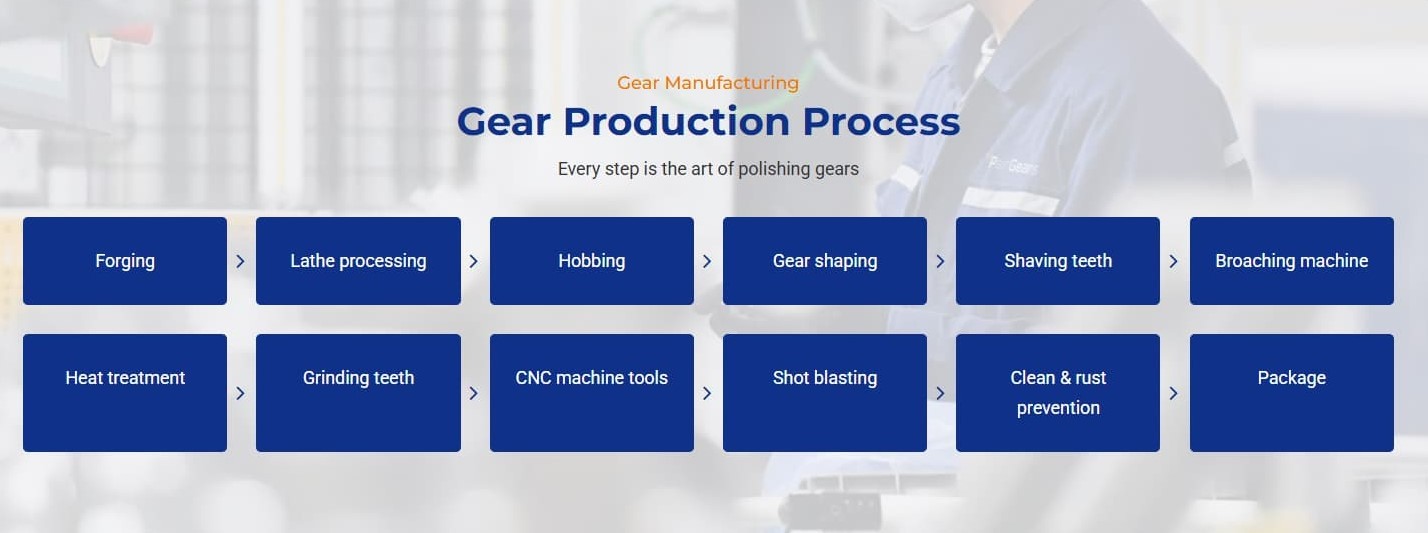
In real production, forging is only the starting point—we manage it as part of a complete gear manufacturing chain. For most projects, the route follows a practical sequence: forging → turning (datum building) → gear cutting (hobbing or shaping, with shaving/broaching when the design calls for it) → heat treatment → finishing such as gear grinding → shot blasting/cleaning → rust prevention → final inspection → packaging.
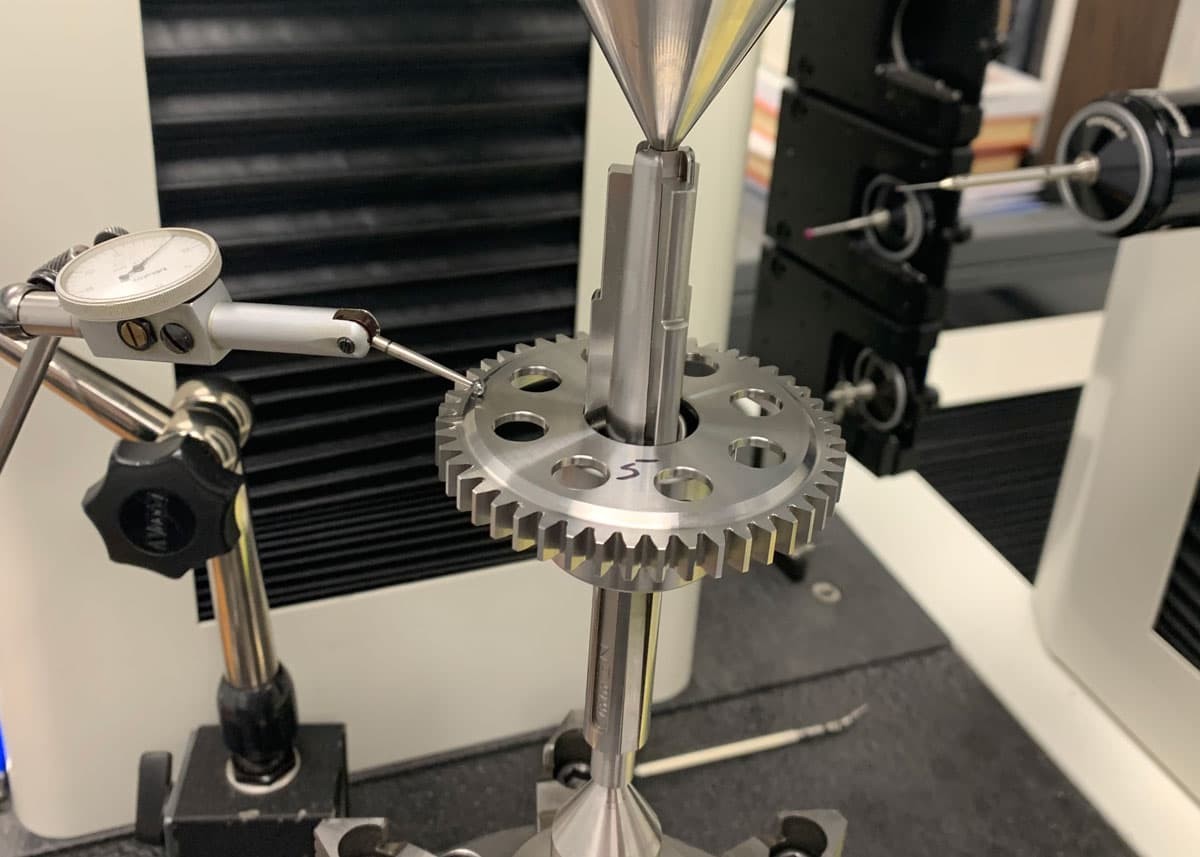
To keep batches repeatable, we place QC gates where variation tends to multiply: we verify blank runout and allowance before cutting, confirm datums after turning, review key geometry before heat treatment, check hardness/distortion indicators after heat treatment, and complete final inspection before packing—so parts arrive consistent, protected, and ready for assembly.
10. Why Choose PairGears
10.1 Engineering-first alignment
We start by aligning what matters: functional requirements, critical datums, heat treatment intent, and acceptance method. Then we recommend the most practical blank route—hot forging, cold forging, or forging + machining—based on your geometry and volume.
10.2 Process-chain thinking (not one-step promises)
In real production, success comes from how steps connect. Our standard approach is to plan the whole chain: blank acceptance → datum strategy → controlled allowance → gear cutting stability → heat treat distortion window → finishing → inspection closure.
10.3 Acceptance that matches real assembly needs
A "pass" should mean the same thing for both sides. We help align inspection items (runout, concentricity, key sizes) with what drives assembly consistency and field performance.
10.4 Production mindset for delivery
Prototype success is not the same as batch success. We focus on repeatability, yield, and schedule control as volume ramps—because that's where many forging-based projects fail.
11. FAQ
Q1: Which Is Better For Gear Blank Forging—Hot Forging Or Cold Forging?
Neither is always better. Hot forging is often preferred for complex shapes and difficult fill. Cold forging is often preferred for stable geometry and high-volume repeatability. The "best" choice depends on shape, volume, and acceptance criteria.
Q2: Why Do Some Forged Gear Blanks Machine Poorly Even When Material Is Correct?
Because geometry consistency matters. Uneven allowance, unstable runout baseline, and trimming variation force machinists to "chase" the part. That increases time, scrap risk, and sometimes tool wear.
Q3: Does Forging Eliminate Machining For Gears?
For functional drivetrain components, rarely. Most gear blanks still need datum machining, and many parts require finishing steps after heat treat to lock critical tolerances.
Q4: What Information Should I Include In An RFQ To Reduce Back-And-Forth ?
Drawing/3D, material and heat treatment requirements, annual volume, critical datums, and how you plan to accept the blank and finished part (gage or measurement items).
Q5: What Is The Most Common Reason Forging Projects Fail At First Build?
Unaligned expectations. The drawing shows geometry, but the RFQ doesn't define blank acceptance, datum strategy, allowance window, and post-heat-treat recovery steps—so "good parts" still assemble inconsistently.
12. Conclusion
Hot forging vs. cold forging is not just a temperature choice. It defines your starting geometry, your recovery window after heat treatment, and your total cost path. For gear blank forging, the best outcomes come from treating forging as the foundation—and then building a controlled route for datums, machining, heat treatment, and inspection.
If you're evaluating hot forging or cold forging for a gear blank,Contact Us to share your drawing (or sample), target tolerances, heat treatment intent, annual volume, and acceptance method. PairGears can propose a practical process-and-inspection plan aimed at stable assembly and repeatable production.