Gear manufacturer: Why do global customers choose PairGears?
- Share
- publisher
- PairGears
- Issue Time
- Sep 24,2026
Summary
See how PairGears supports overseas gear buyers with drawing and sample review, project-specific inspection, low-volume development and a clear route to batch production.
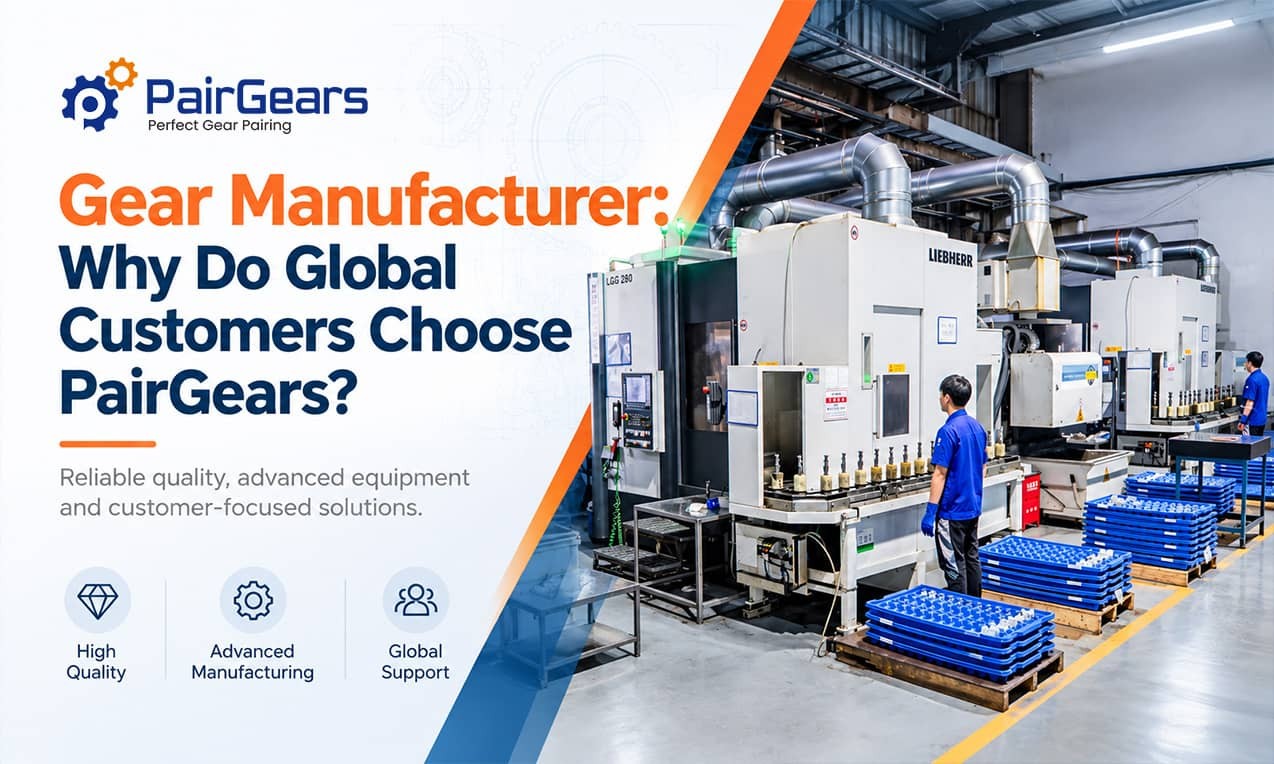
Ordering a gear from overseas raises a practical question: will the part that arrives match the drawing, fit the assembly and come with the checks you agreed on?
PairGears is a gear and shaft manufacturer serving agricultural machinery, commercial vehicles, construction equipment and electric-drive applications. Its appeal to overseas buyers lies in the way these projects can begin: with a drawing, an existing part or an application requirement, followed by technical review, sampling and agreed inspection before batch supply.
This article explains what that means for a buyer comparing gear manufacturers, and what still needs to be confirmed for an individual order.
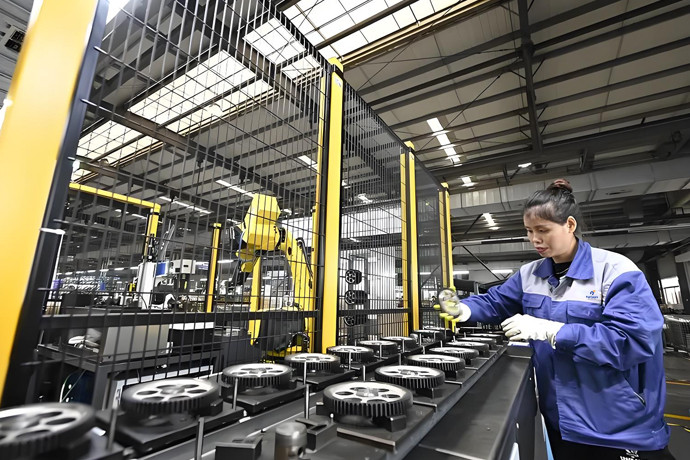
Start with the information you actually have
An OEM engineer may have a released drawing. A repair business may have a worn gear and a part number. A distributor may be looking for several replacement items for the same equipment range. Those enquiries need different starting points.
PairGears supports drawing-based customization and sample-based development, alongside its existing product range. The useful first step is to establish what is known about the part and what needs checking before a quotation becomes a production commitment.
| Your starting point | Useful information to send | What to clarify next |
|---|---|---|
| A drawing | Latest revision, material, heat treatment, quantity and inspection requirements | Missing dimensions, acceptance criteria and quotation scope |
| A sample or replacement part | Sample, photos, part number, machine model and mating-part details | Wear, original geometry and assembly fit |
| A new application | Operating requirements, available space and connection details | The engineering definition needed before manufacturing |
A worn tooth is a particular concern: copying its current surface can also copy the wear. Where possible, include information about the mating gear and describe how the old part failed. Our replacement gear enquiry guide explains the information that helps this review.
Choose manufacturing around the part
PairGears supplies spur, helical, internal and bevel gears, as well as gear shafts and other transmission components. For a buyer, the breadth of the range is useful only when the proposed manufacturing route suits the drawing.
Material, heat treatment, tooth geometry and finishing requirements belong in the same discussion. So do the features that determine assembly fit. A quotation is much easier to evaluate when these details are settled before tooling and sample production begin.
The PairGears customization process includes drawing confirmation, quotation, tooling, first samples and customer approval before mass production. That gives the buyer specific points at which to review the work, rather than leaving every decision until delivery.
Make quality something you can check
The phrase "precision gears" does not tell a purchasing team what it will receive. The drawing and inspection agreement should do that.
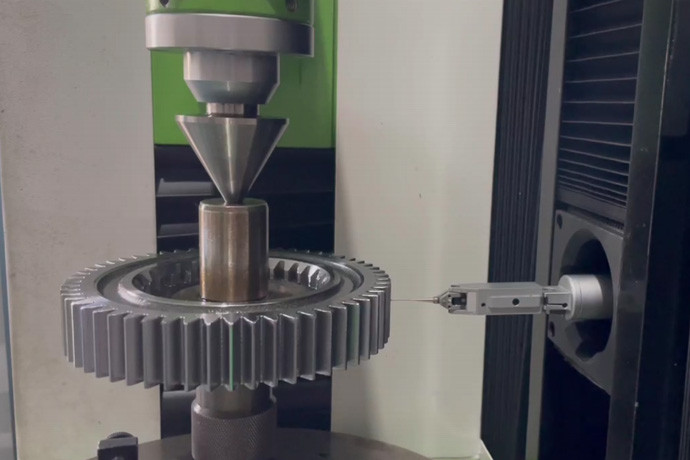
PairGears offers product inspection services. Depending on the project, buyers can discuss material certificates, hardness results, dimensional checks and gear measurement reports. Agree which records are required before the order is placed, including the characteristics to be measured and the acceptance limits.
A useful question for supplier review
Ask for a sample report relevant to your part, then check whether it covers the characteristics on your drawing. An equipment photograph helps you understand the setup; a report shows what was measured.
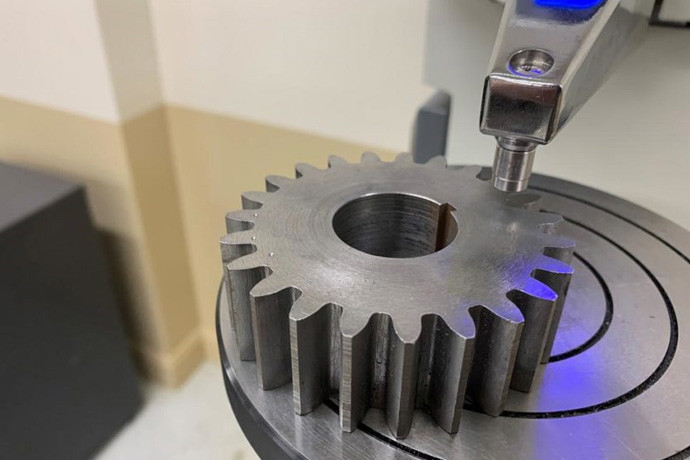
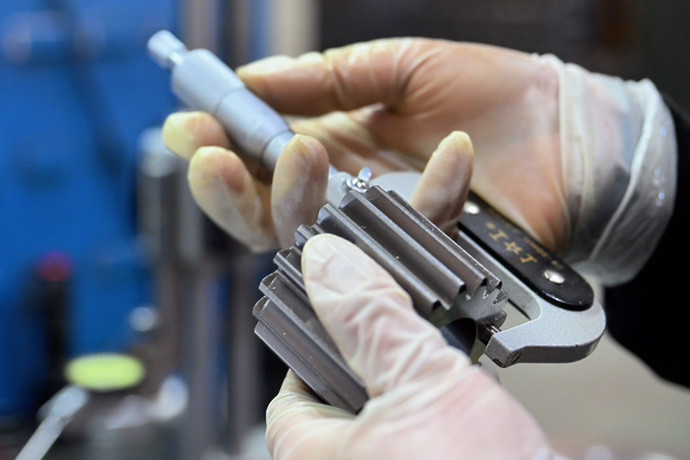
If a particular quality certification is part of your supplier approval process, request the current certificate and check its scope and manufacturing location. For a required gear accuracy grade, confirm the applicable standard and evidence for the actual part.
Test a new part before committing to a batch
A replacement project may need only a few parts. A new OEM design may need a sample before its annual demand is known. In both situations, a large opening order can put the quantity decision ahead of the engineering decision.
For newly developed custom parts, PairGears can start with one piece, as explained in its minimum order quantity policy. The customer still covers the necessary development tooling, which may include cutters, fixtures or gauges.
Ask for the sample price and tooling cost separately, then request quantity breaks for later orders. A one-piece development option gives you room to validate the part; it does not mean that prototype and production unit costs will be the same.
Timing also needs a project-specific answer. Confirm when the lead-time clock starts and whether it includes tooling, heat treatment, inspection and your sample approval.
A real project: gears and machined parts for outdoor equipment
A published PairGears project involved several custom gears and other machined parts for an outdoor power equipment customer. Some components required gear hobbing or shaping; others required turning, milling, drilling or tapping.
The customer also specified electroplating to ISO 19598:2016 Fe/Zn12/Cn/T2. PairGears reviewed the drawings, quoted the parts, coordinated the machining and surface treatment, and followed the samples through customer approval before batch production.
For a buyer managing a mixed parts list, this is a concrete reason to consider PairGears: the work can include coordination across the project, alongside gear supply. The full outdoor equipment case describes the scope and production sequence.
Keep the quote clear across borders
Overseas sourcing adds distance to every clarification. A unit price is easier to compare when both sides have agreed what it includes.
Before placing an order, align the drawing revision, sample quantity and batch forecast. Define the inspection documents, packaging, destination and delivery terms. Ask for any assumptions to be written into the quotation, especially where the original information is incomplete.
PairGears' quotation checklist recommends separating tooling, samples, testing, documents and freight from the unit price. This gives purchasing and engineering a common basis for reviewing the offer.
Questions buyers ask about PairGears
What types of buyers does PairGears work with?
PairGears works with OEM and brand customers, distributors, wholesalers and repair businesses seeking gears, shafts and related transmission parts. The appropriate supply route depends on whether the part already exists or needs development.
Can PairGears work without an original drawing?
Yes. A sample, part number, photos and application details can start the review. Additional measurement and engineering confirmation may be needed before the production drawing and quotation are finalized.
Can I order just one custom gear?
One-piece development is available for newly developed custom parts. Necessary tooling costs remain payable, and the technical scope needs review.
Which inspection reports should I request?
Start with your drawing and supplier approval requirements. Discuss material, hardness, dimensions and gear measurement records with PairGears, then agree the report scope before ordering.
How do I get a useful quotation?
Send your drawing or sample information, quantities, material and heat-treatment requirements, inspection needs and destination. Identify anything still undecided so it can be addressed during review.
Is PairGears a fit for your next gear project?
PairGears is worth considering when you need a supplier that can discuss the part before quoting it, support custom development in small quantities and carry an approved sample into batch production.
Start with one part or a clearly defined project package. You can send your drawing or sample details to PairGears with the quantity and checks you need. A useful next conversation is about the drawing, the inspection plan and what it will take to make the first sample.