Custom Gear Manufacturing in China: What Matters Most?
- Share
- publisher
- PairGears
- Issue Time
- Aug 19,2026
Summary
Compare custom gear manufacturing in China by checking supplier capability, quality control, delivery stability, communication and quotation scope.
For overseas buyers, China offers many custom gear manufacturing options. But more suppliers do not always make sourcing easier. The real question is whether a supplier’s capability, quality control, communication, and delivery model fit your project.
When choosing a precision gear manufacturer in China, unit price is only one part of the decision. Project understanding, manufacturing scope, production capacity, inspection requirements, and repeat-order support can all affect the final sourcing result.
Is China a Good Fit for Your Custom Gear Project?
Custom gear manufacturing in China can be a good option when buyers have clear drawings, ongoing sourcing needs, or custom requirements based on samples or applications.
This is especially true for non-standard gears, gear shafts, bevel gears, internal gears, and other transmission parts. These projects usually need technical review, not just a catalog product.
China Can Be a Good Fit When
- You have clear drawings or usable sample information.
- The part is non-standard and needs technical review.
- You expect repeat sourcing or future batch demand.
- The project can support normal custom manufacturing and international delivery cycles.
Local Sourcing May Be More Convenient When
- The quantity is very small.
- The lead time is extremely urgent.
- Frequent on-site adjustments are required.
- The project depends heavily on immediate local service.
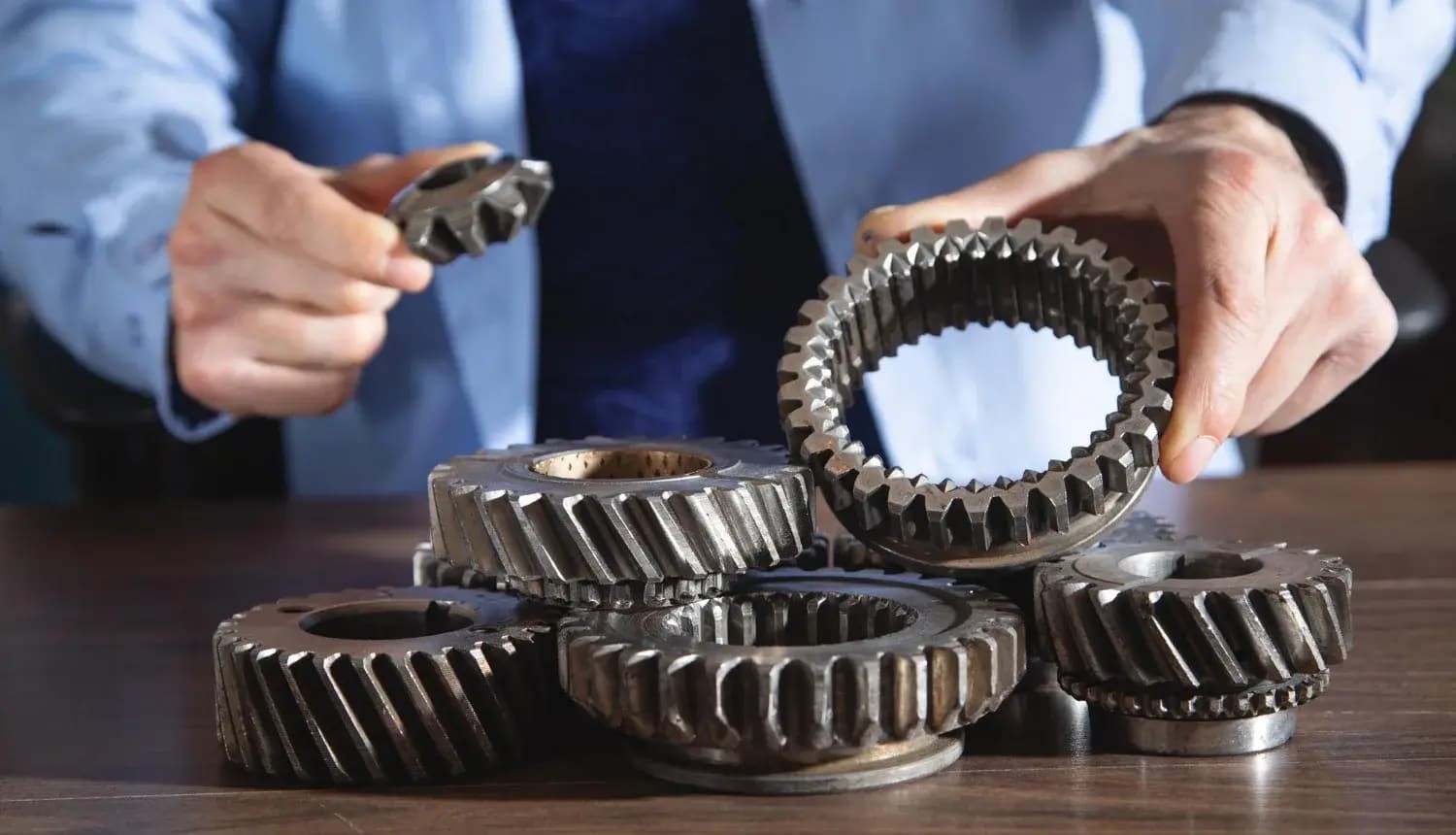
Why Custom Capability Matters More Than a Product List
A product range only shows what a supplier has made before. For custom gear manufacturing, the more important question is how the supplier handles your drawings, samples, and project requirements.
Drawing and Sample Review
A suitable supplier should be able to review drawings, identify key requirements, and ask questions when information is incomplete. If a full drawing is not available, samples, photos, 3D models, or application details may support an initial review.
From Sample to Repeat Orders
Custom capability also means consistency after the first sample. For long-term projects, drawing revision control, process route, inspection requirements, and batch consistency matter more than product photos.
For projects moving from drawing to production, buyers can also refer to the custom gear manufacturing process for a clearer project confirmation approach.
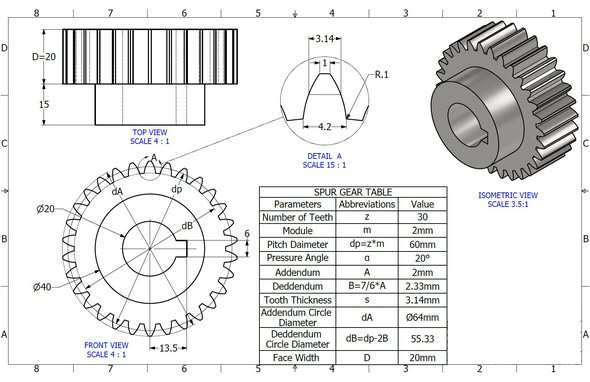
Why the Lowest Quotation May Not Mean the Lowest Cost
Price matters, but comparing only the unit price can lead to the wrong decision. Even for the same part, two suppliers may quote based on different material requirements, machining scope, inspection items, packaging methods, or delivery terms.
Unit Price vs Total Sourcing Cost
Buyers should compare total sourcing cost, not only the unit price. Actual cost may include tooling, sample approval, inspection reports, anti-rust packaging, international shipping, rework, repeated sampling, and internal costs caused by delivery delays.
Same Part, Different Quotation Scope
A slightly higher quotation with a clear scope may be easier to control than a lower quotation with unclear inclusions. Before judging price, buyers should confirm whether all quotations follow the same material, process, inspection, quantity, and delivery scope.
What Should Buyers Check Before Comparing Chinese Gear Suppliers?
| Check Item | Why It Matters |
|---|---|
| Drawing and technical review | Shows whether the supplier understands the project basis |
| Manufacturing range | Confirms whether the part matches the supplier’s real capability |
| Material and heat treatment | Affects cost, process route, wear resistance and inspection |
| Quality control scope | Helps confirm what will be inspected and reported |
| Production capacity | Shows whether the supplier can support samples and repeat orders |
| Communication process | Reduces unclear assumptions before production |
| Lead time stability | Helps evaluate delivery reliability, not only the fastest promise |
| Long-term order support | Matters for repeat purchasing and batch consistency |
This checklist helps buyers compare suppliers beyond price. A useful supplier evaluation should show whether the supplier understands the part, can manufacture it properly, and can turn technical requirements into a clear quotation, production plan, and inspection scope.
How Should Buyers Evaluate Capacity, Quality, Communication, and Lead Time?
The four areas below are closely connected. A supplier may look strong in one area but still create project risk if the rest of the process is not aligned.
Key Processes and Bottlenecks
Machine quantity does not fully show how many orders a supplier can support. A supplier may have many gear cutting machines, but heat treatment, grinding, inspection, or other key steps may still limit delivery. Buyers can ask about normal monthly output, current workload, in-house processes, outsourced steps, and possible bottlenecks.
Capacity for Repeat Orders
For projects that may grow later, buyers should also confirm repeat-order support, peak-season scheduling, and batch growth capacity. Production capacity should be judged by the whole process, not by machine count alone.
There is no single fixed inspection plan for every custom gear. Different applications, drawings, and acceptance standards require different inspection priorities.
Inspection Should Follow the Drawing
Buyers should confirm which dimensions are critical, which requirements follow the drawing, which stages need in-process checks, and which items will be inspected before shipment. This turns quality control from a general promise into a project-specific requirement.
Reports and Batch Consistency
If inspection reports are needed, the report scope should be confirmed during quotation. For repeat orders, later batches also need to follow the same confirmed requirements, not only the first approved sample.
Many custom manufacturing problems begin before machining starts. Drawing revision, final parameters, quantity changes, inspection reports, packaging requirements, and shipment timing all need clear confirmation.
Clear Questions Before Production
Good communication is not only fast replies. A capable supplier should identify unclear points, ask questions, record confirmations, and follow the approved version.
Traceable Confirmation
For cross-border sourcing, traceable communication helps both sides avoid working from different assumptions. Many rework and delay problems come from unclear confirmation, not only from production issues.
Many buyers ask, “How fast can you finish?” But for custom gear projects, a realistic and stable lead time is usually more useful than one very short promise.
Lead Time Depends on More Than Machining
Lead time may be affected by raw material preparation, tooling, machining, heat treatment, inspection, sample approval, production scheduling, packaging, and international shipping. A credible lead time should be based on project review, not a quick estimate before the part is fully understood.
Repeat Delivery Matters More
For ongoing orders, buyers should also discuss annual demand, split deliveries, urgent replenishment, and repeat-order scheduling. Stable delivery is more valuable than achieving the fastest lead time once.
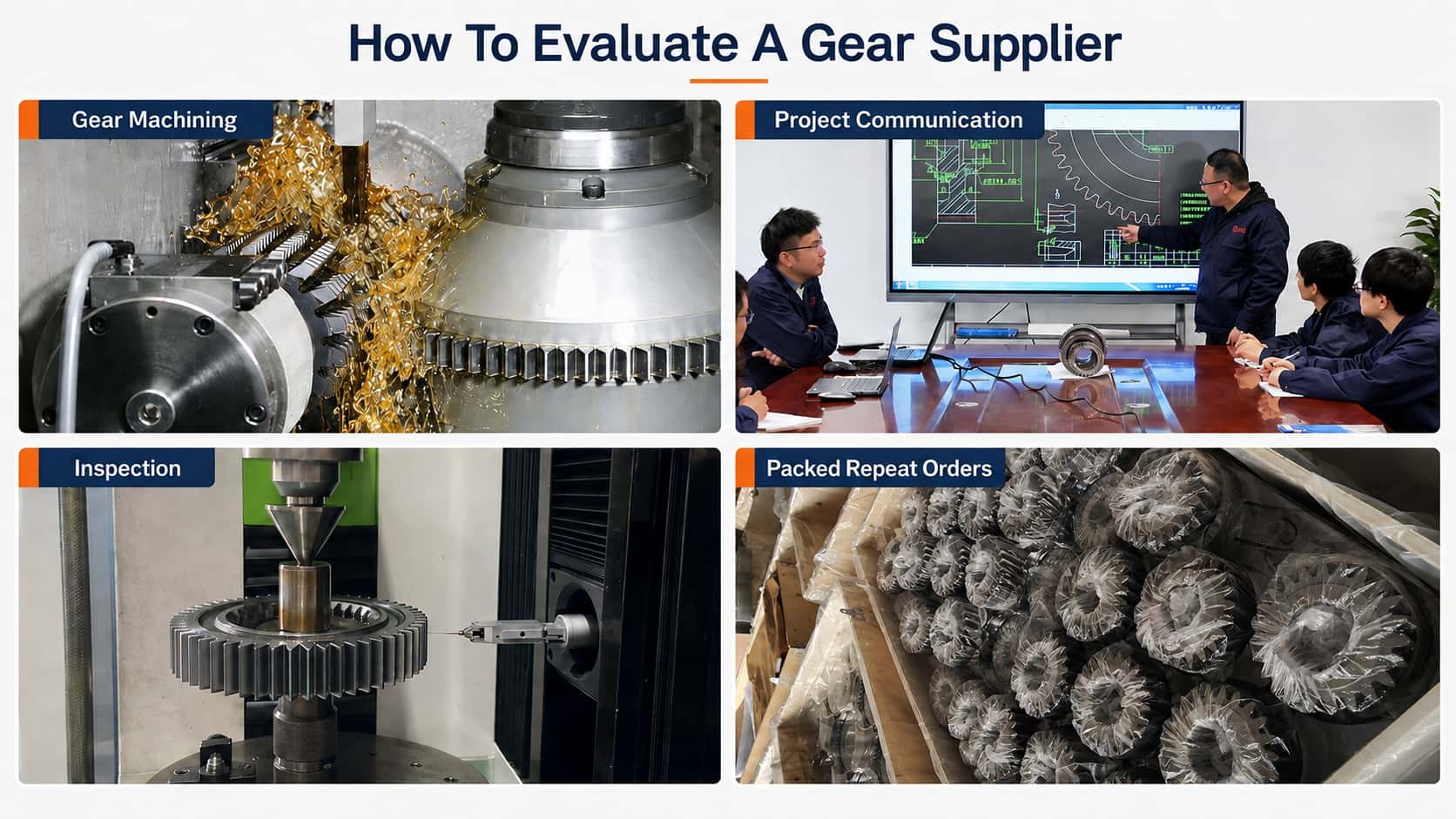
What Can the First Order Tell You About a Supplier?
The first order does not prove everything, but it can show how the supplier works.
Quotation and Technical Review
During quotation, buyers can see whether the supplier truly reviews the project or just gives a quick price, and whether unclear points come up early during technical confirmation.
Production and Inspection
During production and inspection, buyers can check whether changes are communicated in time and whether inspection follows the confirmed requirements.
Delivery and Documentation
Packaging, documents, and shipment information also show how organized the supplier is.
These details often reveal more than general claims such as “large capacity,” “advanced equipment,” or “rich experience.”
Is a Bigger Chinese Supplier Always Better?
A bigger supplier is not always the better fit. Company size and project fit are different things.
Size Does Not Always Mean Fit
Large suppliers may be strong in high-volume or long-term projects. Specialized suppliers may be more suitable for certain custom parts, technical communication, or flexible order needs.
Project Fit Matters More
Instead of only comparing factory size, staff count, or machine quantity, buyers should check whether the supplier regularly makes similar parts, whether the order quantity fits its production model, and whether the supplier is willing to spend time on early-stage review.
How PairGears Supports Custom Gear Manufacturing Projects in China
For custom gear projects, PairGears first clarifies the project requirements. Customers can provide drawings, 3D models, sample information, photos, quantities, and application details for initial review.
Project Input
Drawing, 3D model, sample information, photos, quantity, and application details.
Technical Basis
Drawing revision, material, heat treatment, accuracy, and project requirements.
Inspection Scope
Confirm what should be inspected, recorded, and reported before production.
Quotation & Delivery
Align quantity, quotation basis, delivery requirements, and repeat-order expectations.
Before quotation, drawing revision, material, heat treatment, accuracy, inspection scope, quantity, and delivery requirements should be clarified as much as possible. For early-stage projects, buyers can also prepare the information needed for a custom gear quote to support technical review and quotation evaluation.
FAQ About Custom Gear Manufacturing in China
Is custom gear manufacturing in China always cheaper than local sourcing?
Not always. Unit price may be competitive, but buyers should also consider tooling, inspection, packaging, shipping, duties, rework risk, and project management cost.
What should buyers prepare before sourcing custom gears from China?
Buyers should prepare drawings, quantity, material, heat treatment, accuracy, inspection needs, and application information. If drawings are incomplete, samples, photos, or 3D models can support early review.
How can buyers judge a Chinese gear supplier’s real capacity?
Do not check machine quantity only. Buyers should also review monthly output, current workload, key processes, outsourced steps, backup arrangements, and repeat-order support.
Is a Chinese gear supplier suitable for long-term OEM projects?
It depends on whether the supplier’s capability matches the project. Long-term projects need drawing control, batch consistency, inspection records, stable capacity, and repeat delivery support.
Should buyers ask several Chinese gear suppliers for quotations?
Yes, especially in the early stage. But all suppliers should quote based on the same drawing, quantity, and technical requirements; otherwise, price differences may come from different quotation scopes.
Conclusion
When evaluating custom gear manufacturing in China, buyers should not focus only on the lowest price or the largest supplier. The better question is whether the supplier understands the project, has matching manufacturing capability, provides clear quality control, supports future demand, and communicates clearly before production.
For one-time orders, these factors affect whether the project can move forward smoothly. For repeat orders, they decide whether the supply relationship can stay reliable over time.
Compare the Project Fit, Not Only the Price
If you are comparing a custom gear manufacturer in China, you can Contact us to share your drawings, sample photos, quantity, and project requirements for an initial technical review and quotation.