China Gear Manufacturer: Buyer Checklist
- Share
- publisher
- Jessica
- Issue Time
- Jun 12,2026
Summary
Use this buyer checklist to choose a China gear manufacturer for custom gears, replacement gears, samples, inspection and quotation.
Introduction
Choosing a China gear manufacturer is not only about finding a lower price. For custom gears, replacement gears, gear shafts, spline shafts, and small batch production, the real value comes from technical review, material selection, heat treatment control, inspection ability, and stable communication.
A gear may look simple from the outside, but small differences in tooth data, material, hardness, heat treatment, tolerance, and mating parts can change its performance in real equipment. A wrong gear may lead to poor fitting, noise, early wear, broken teeth, or unexpected machine downtime.
This buyer checklist is written for purchasing teams, maintenance companies, equipment suppliers, and engineers who need to source gears from China with lower risk. As a precision gear manufacturer and custom gear supplier, PairGears supports overseas buyers with custom gears, replacement gears, gear shafts, spline shafts, and transmission parts for agricultural machinery, heavy-duty trucks, construction equipment, and electric vehicle drive systems.
Quick Answer for Buyers
A reliable China gear manufacturer should be able to review drawings, samples, OEM numbers, photos, material requirements, heat treatment needs, inspection requirements, and real application conditions before production starts.
Buyers should not judge a supplier by price alone. A good supplier should explain what information is needed, what risks must be checked, whether a sample is necessary, and how quality will be controlled before batch production.
For custom gear projects, PairGears can start the first review from drawings, samples, OEM numbers, or clear gear photos. The more accurate the project information is, the easier it is to confirm feasibility, quotation, lead time, and quality control requirements.
When Should Buyers Work With a China Gear Manufacturer?
Working with a China gear manufacturer is usually suitable when standard gears cannot meet the actual project requirements.
This often happens when buyers need replacement gears for old machines, custom gears from drawings, sample-based reverse production, small batch trial orders, gear shafts with special splines, or transmission parts for heavy-duty equipment.
A standard parts supplier may be enough for common catalog gears. But if the project involves non-standard dimensions, special material, heat treatment, gear mating, high load, limited space, or old equipment replacement, buyers should work with a manufacturer that can review the project before quoting.
PairGears offers custom precision gear solutions for buyers who need gears produced from drawings, samples, or specific project requirements.
Checklist 1: Product Experience
The first thing to check is whether the supplier has experience with similar gears or similar applications.
Gear products are not all the same. Spur gears, helical gears, bevel gears, internal gears, ring gears, gear shafts, spline shafts, and synchronizer-related parts may require different manufacturing routes and inspection points.
For agricultural machinery gears, buyers may need to consider shock load, dust, wear resistance, and replacement needs. For heavy-duty truck parts, strength, heat treatment, and stable meshing are often more important. For construction equipment gears, reliability under harsh working conditions should be reviewed carefully. For EV drive-related gears, accuracy, smooth running, and production consistency may become more important.
A supplier does not always need to have made the exact same part before. But the supplier should be able to understand the gear type, application, working condition, and key control points.
Checklist 2: Drawing, Sample and OEM Number Review
A gear project should not start with price only. It should start with project information review.
If buyers have drawings, the supplier should check the gear data, dimensions, tolerance, material, heat treatment, bore, keyway, spline, and surface requirements. If buyers do not have complete drawings, old samples and clear photos become very important.
For replacement gear projects, an old sample can help the supplier understand the structure, tooth condition, wear position, bore condition, and possible mating relationship. Photos should include the front view, side view, tooth area, bore, spline, keyway, and mounting area.
OEM numbers can help with the first review, but they should not be the only reference. Different machine versions, production years, and markets may use similar but not identical parts. Buyers should provide OEM numbers together with machine model, photos, key dimensions, and application details.
For buyers preparing an inquiry, the related article How to Work With a Gear Manufacturer in China explains the basic cooperation process from drawings and samples to quotation, inspection, and batch production.
| Project Type | What Buyers Usually Provide | What the Supplier Should Review |
| Drawing-based custom gears | 2D drawing, 3D file, material and tolerance requirements | Tooth data, dimensions, process route, inspection points |
| Sample-based replacement gears | Old sample, damaged part, photos, key dimensions | Reverse review, wear position, mating condition, possible failure cause |
OEM number-based projects | Old sample, damaged part, photos, key dimensions | Application, possible structure, matching requirements |
Gear shaft projects | Drawing, sample, spline data, shaft length, mounting details | Spline, runout, hardness, bearing positions |
Small batch custom gears | Drawing or sample, quantity, target use | Cost, tooling, lead time, sample approval route |
Checklist 3: Manufacturing Capability
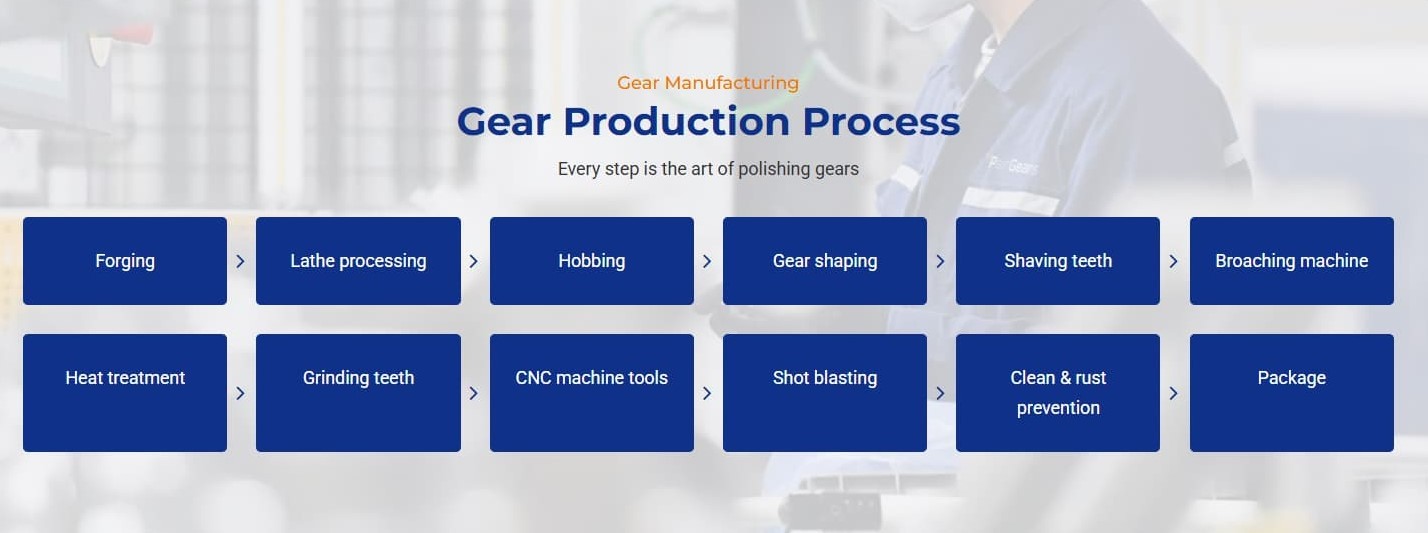
Manufacturing capability should be checked before choosing a gear supplier.
Buyers can ask whether the supplier supports the required processes, such as turning, gear cutting, hobbing, shaping, milling, spline machining, grinding when needed, heat treatment coordination, and final inspection.
A gear shaft project may require more than tooth cutting. The supplier may also need to control shaft diameter, steps, threads, bearing positions, splines, runout, and assembly surfaces. A ring gear or internal gear may need different tooling and inspection methods. A bevel gear or paired gear may need extra attention to mating and contact conditions.
Buyers do not need to understand every manufacturing detail. But the supplier should be able to explain the main process route in a clear and practical way. If a supplier only gives a quick low price but cannot explain material, heat treatment, machining, or inspection, the project may carry higher risk.
Checklist 4: Material and Heat Treatment Knowledge
Material and heat treatment have a direct effect on gear life.
Many gear problems are not caused by appearance or basic dimensions. They are caused by unsuitable material, poor heat treatment control, excessive distortion, or wrong hardness requirements for the actual application.
A reliable China gear manufacturer should be able to discuss material options based on load, speed, wear resistance, toughness, and working environment. Common gear projects may involve alloy steels, carburizing steels, quenched and tempered steels, or other material routes depending on the project.
Heat treatment should not be treated as only a hardness number. Case depth, core strength, surface hardness, distortion control, finishing allowance, and mating requirements may all affect final performance.
If a supplier only says “we can make it hard enough” but does not ask about application, load, or mating parts, buyers should be careful.
Checklist 5: Inspection and Quality Control
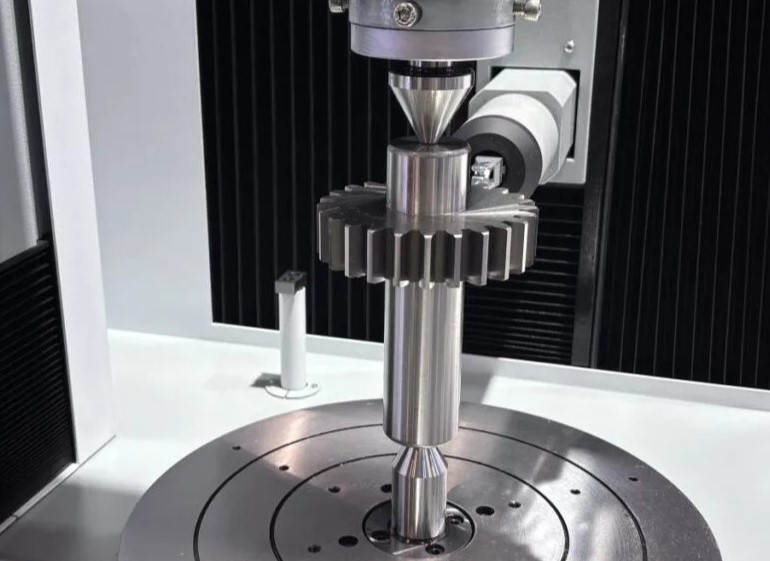
Visual checking is not enough for precision gears.
A gear may look clean and well-machined, but it still needs proper inspection depending on the project. Buyers may need dimensional inspection, hardness testing, runout control, tooth profile and lead checking, surface condition review, or contact pattern checking.
For ordinary replacement gear projects, key dimensions and hardness may be the main focus. For higher precision projects, more gear-related inspection records may be required. For important orders, buyers may also ask for material reports, heat treatment reports, or shipment inspection records.
Gear inspection can refer to recognized standards and industry practices. Buyers do not need to become gear standard experts, but they should know whether the supplier can discuss inspection requirements clearly. Useful external references include ISO gear accuracy information, AGMA gear standards, and this Gear Solutions article about gear inspection practices.
Checklist 6: Sample Process Before Batch Production
For custom gears and replacement gears, sample approval is often necessary before mass production.
This is especially important when the buyer has no complete drawing, only an old sample, a damaged gear, or limited information. It is also important for high-load applications, paired gears, gear shafts, and parts with critical fitting requirements.
The purpose of the sample is not only to check whether the gear looks similar. Buyers should also confirm key dimensions, tooth condition, bore size, spline fitting, hardness, surface condition, and assembly performance where possible.
After sample approval, batch production should follow the confirmed drawing, sample, process route, and inspection requirements. The goal is not only to make one good sample, but also to keep the same quality level in repeated production.
Checklist 7: Quotation Transparency
A useful quotation should show more than a unit price.
Buyers should check whether the quotation explains material, manufacturing route, heat treatment, inspection requirements, sample lead time, batch production lead time, packaging, payment terms, and trade terms.
Some quotations look cheaper because they do not include heat treatment, finishing, inspection reports, or proper packaging. Some quotations look higher because the supplier has already considered material cost, inspection time, risk control, and export protection.
For custom gears, quantity also affects cost. Sample quantity, trial order quantity, and annual demand can change tooling cost, unit price, material planning, and production route. Buyers should provide realistic quantity information so the supplier can quote more accurately.
Checklist 8: Communication Quality
Good communication is a practical sign of supplier reliability.
A professional supplier will usually ask questions at the beginning. These questions may cover drawings, samples, material, heat treatment, quantity, application, mating parts, inspection, packaging, and lead time.
This is not a delay. It is part of risk control.
If a supplier gives a final price from one unclear photo without asking technical questions, buyers should check whether the quotation is reliable. In gear sourcing, many problems come from missing information at the beginning.
For overseas buyers, clear English communication, timely feedback, and the ability to explain technical points are also important. The supplier does not need to use complicated language, but the project conditions must be clear.
Checklist 9: Export and Packaging Experience
Gears are metal parts, but they still need careful packaging.
Tooth surfaces, bores, splines, end faces, and fitting surfaces should be protected during transportation. If packaging is not suitable, the products may arrive with dents, rust, scratches, or surface damage.
Buyers should check whether the supplier has export experience, including anti-rust protection, labeling, carton or wooden case packaging, shipping documents, and delivery communication.
For heavy gears, gear sets, or precision-machined parts, packaging is not a small detail. It is part of quality control before the buyer receives the goods.
PairGears supports overseas buyers with replacement gears and shafts for different equipment applications. Buyers can also review the replacement gears and shafts page to understand related product coverage.
Why PairGears Is Suitable for Custom Gear Projects
PairGears supports custom gears, replacement gears, gear shafts, spline shafts, and transmission parts for overseas buyers.
The team can review projects from drawings, samples, OEM numbers, or clear photos, then discuss possible material, heat treatment, process route, inspection requirements, and production steps based on the actual application.
PairGears mainly serves gear projects for agricultural machinery, heavy-duty trucks, construction equipment, and electric vehicle drive systems. These projects often require more than simple part copying. They need review of working conditions, fitting requirements, quality control, and long-term use.
For buyers, the value of PairGears is not only making a gear. It is helping buyers confirm key project details before production starts, so the quotation, sample, inspection, and batch production process can be more reliable.
Buyer Checklist Before Sending an Inquiry
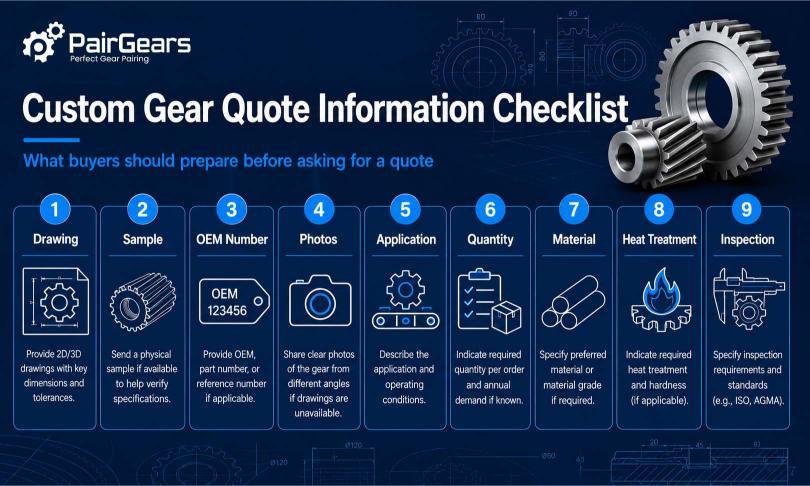
Before contacting a China gear manufacturer, buyers can prepare the following information:
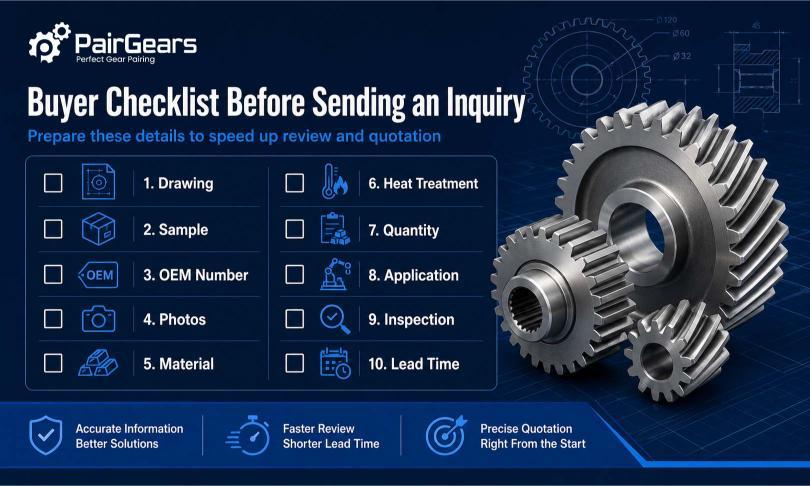
| Information | What to Send | Why It Matters |
| Drawing | 2D drawing, 3D file, tolerances, key dimensions | Confirms structure, tooth data, and machining requirements |
| Sample | New part, used part, or damaged part | Useful when no complete drawing is available |
| OEM number | Part number, machine model, equipment brand | Helps identify the application and replacement relationship |
Photos | Front view, side view, tooth area, bore, spline, mounting area | Helps the supplier understand the structure quickly |
Material | Existing material or target strength requirement | Affects strength, cost, and heat treatment route |
Heat treatment | Carburizing, induction hardening, nitriding, quenching and tempering | Affects hardness, wear resistance, and distortion control |
Quantity | Sample quantity, trial order quantity, annual demand | Affects process planning, unit cost, and production schedule |
Application | Agricultural machinery, truck, construction equipment, EV, or other use | Helps judge load, speed, working condition, and reliability needs |
Inspection needs | Hardness, tooth profile, lead, runout, material report, heat treatment report | Helps confirm quality control before shipment |
If the information is not complete, buyers can still send what they have. A professional supplier should review the available information first and explain what still needs to be confirmed.
FAQ
How do I choose a reliable China gear manufacturer?
Check product experience, manufacturing capability, material and heat treatment knowledge, inspection ability, sample process, communication quality, and export experience. Do not judge the supplier only by the lowest price.
Can a China gear manufacturer make gears without drawings?
Yes, in some cases. If no drawing is available, buyers should provide a sample, OEM number, machine model, clear photos, and key dimensions. Complex gears or paired gears may still need further measurement and confirmation before production.
What information should I send for a custom gear quote?
Buyers should send drawings, samples, OEM numbers, photos, quantity, material requirements, heat treatment needs, application details, and inspection requirements. Complete information helps the supplier quote more accurately.
Is sample production necessary for replacement gears?
For replacement gears, old equipment parts, projects without complete drawings, or high-load applications, sample production is strongly recommended. A sample helps confirm size, fitting, hardness, tooth condition, and production feasibility before batch production.
Why are gear quotes from different manufacturers so different?
Gear quotes may differ because of material, heat treatment, accuracy grade, machining route, inspection requirements, quantity, packaging, and lead time. Buyers should compare quotation conditions, not only unit price.
Conclusion
Choosing a China gear manufacturer should not be a simple price comparison. For custom gears and replacement gears, buyers should check whether the supplier can understand the project, review technical information, control material and heat treatment, inspect the right items, and keep quality stable after sample approval.
PairGears helps overseas buyers turn drawings, samples, OEM numbers, and gear photos into workable production projects. If you are looking for a precision gear manufacturer or custom gear supplier in China, send your drawing, sample, OEM number, photos, quantity, and application details to PairGears for review.